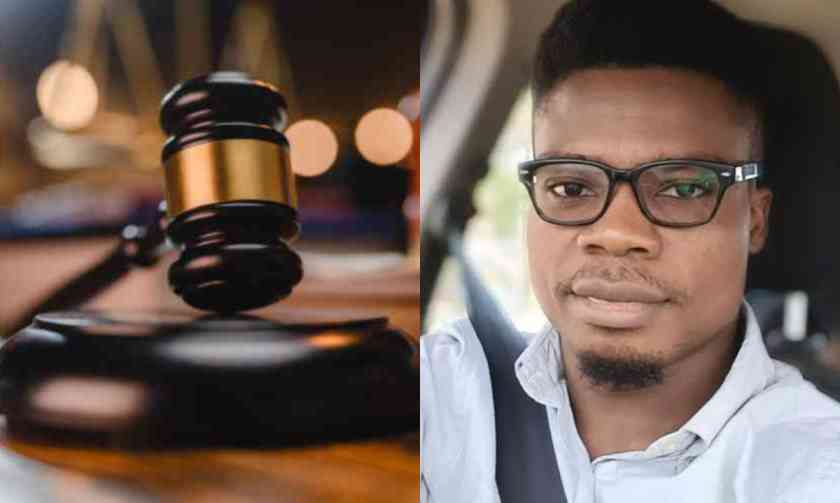
Omoyele Sowore has confirmed the release of social media activist Justice Chidiebere, popularly known as Justice Crack, from the custody of the Department of State Services (DSS), bringing an end to days of detention and legal proceedings that attracted widespread public attention online.
Justice Crack regained his freedom on Thursday night after being held over a viral video in which he discussed alleged complaints by Nigerian Army personnel concerning poor feeding and welfare conditions within military barracks.
The activist’s release was announced by Sowore through his official X account, where he criticised the detention and described it as unjust.
“BREAKING: @JusticeCrack is out NOW. He is finally free from the unjust detention imposed by the lawless @OfficialDSSNG This victory belongs to all who spoke out, resisted intimidation, and demanded justice. #RevolutionNow,” Sowore wrote.
Justice Crack was initially arrested after the controversial video circulated widely on social media platforms, sparking conversations about the welfare of military personnel and conditions within some barracks across the country.
Security authorities later invited and detained him under cybercrime-related provisions, leading to public criticism from some activists and rights groups who argued that the arrest raised concerns about freedom of expression and digital rights in Nigeria.
The matter subsequently moved to the Federal High Court in Abuja, where the DSS formally arraigned the activist.
During the court proceedings, his legal team led by Barrister Marshal filed a bail application seeking his release from custody.
However, the application was later withdrawn following what sources described as internal disagreements and misunderstandings among members of the defence team regarding leadership and responsibility for handling the bail process.
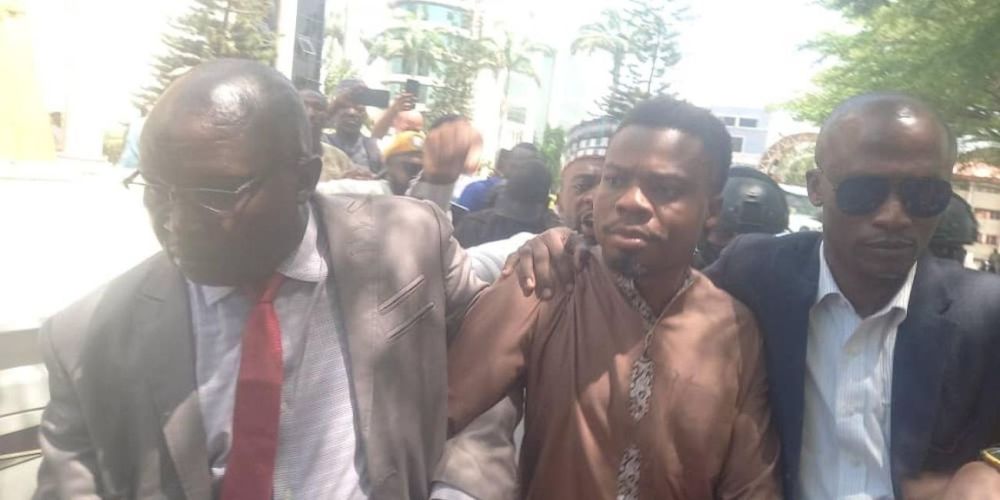
Following his eventual release on Thursday night, videos circulating online showed Justice Crack outside what appeared to be a DSS facility surrounded by supporters and sympathisers who celebrated his freedom.
One of the videos also captured activist Randy Peterz alongside other supporters welcoming him after his release from detention.
The case has continued to generate heated reactions across social media, with many Nigerians debating the boundaries between national security concerns and citizens’ rights to publicly discuss issues affecting government institutions.
Some supporters argued that the activist merely amplified concerns allegedly raised by military personnel, while others maintained that sensitive security-related discussions should be handled cautiously.
As of the time of filing this report, authorities had yet to release a detailed official statement explaining the exact terms or conditions attached to Justice Crack’s release.
The development is expected to keep conversations around cybercrime laws, online speech and state security powers firmly in public focus in the coming days.
What you should know
Justice Crack became widely known on Nigerian social media for commentary on political and social issues.
His arrest followed a viral video discussing alleged welfare complaints within the Nigerian Army, which security agencies reportedly considered sensitive. The DSS later charged him under cybercrime-related provisions, sparking criticism from activists and free speech advocates.
Cases involving online commentary and national security have increasingly generated debate in Nigeria, especially concerning the balance between digital freedom and state security interests.
Omoyele Sowore and several activists publicly campaigned for his release throughout the detention period. His release has now reignited broader conversations around freedom of expression, cybercrime enforcement and citizens’ rights online.