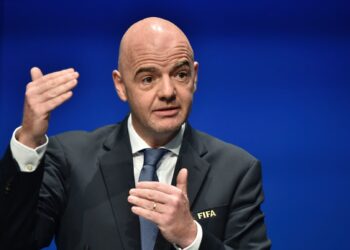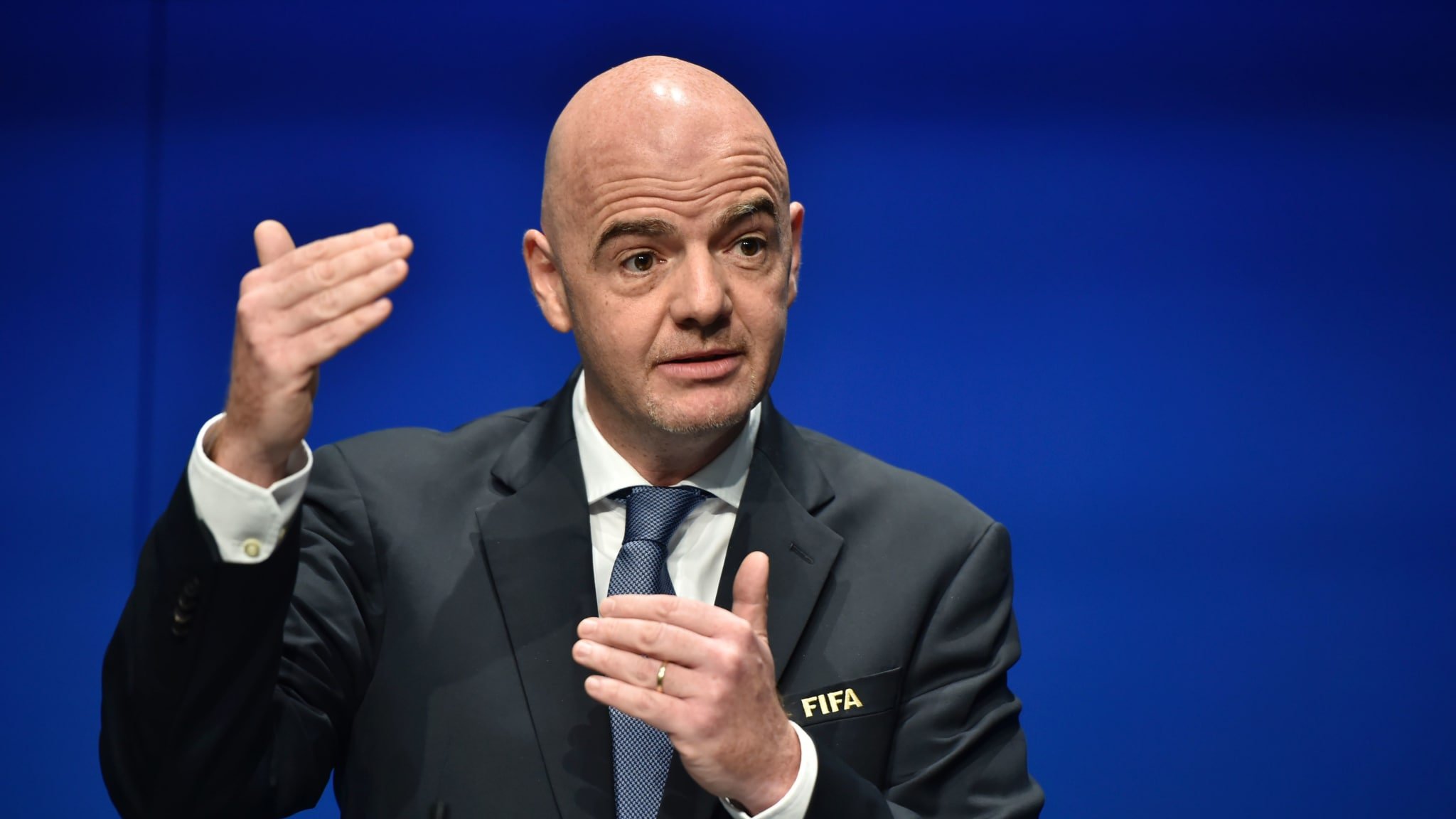
FIFA president Gianni Infantino has weathered the biggest crisis of his decade-long reign, refusing to bow to mounting calls for his resignation while offering a carefully worded apology for the chaos surrounding his aborted plan to sell off a stake in football’s most valuable asset: the World Cup.
The climbdown followed days of open revolt inside the game’s corridors of power. Infantino had pushed to fast-track the creation of FIFA Forward Enterprise (FFE), a new commercial subsidiary that would have bundled together broadcasting, sponsorship, ticketing and licensing rights along with the operational running of FIFA’s tournaments.
The plan envisaged selling roughly 20% of the new entity to outside investors, based on a $20 billion valuation of the business. The anchor investor lined up for the deal was Thrive Eternal, a firm launched by Joshua Kushner, brother of Jared Kushner, the son-in-law of U.S. President Donald Trump.
To sweeten the pill for FIFA’s 211 member federations, Infantino dangled a substantial financial carrot: an immediate $20 million payout to each association, followed by a further $66 million to be paid out before 2037, should the plan win majority backing. It wasn’t enough.
UEFA, Concacaf, and the Asian Football Confederation all rejected the proposal outright, a bloc representing 143 of FIFA’s member associations.
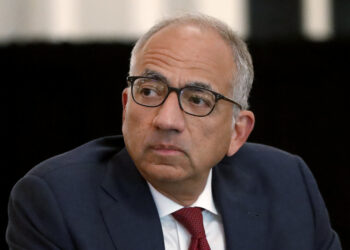
The backlash was not confined to the confederations. Carlos Cordeiro, FIFA’s representative on the White House Task Force for the World Cup and a former Goldman Sachs banker, resigned in protest, saying he could not stand by while FIFA considered selling off a stake in its flagship tournament.
Arsène Wenger, now FIFA’s chief of global football development, broke ranks too, arguing the withdrawal of the project was unavoidable if the organisation wanted to preserve its independence, transparency and integrity.
Even secretary general Mattias Grafström, whose management board has now thrown its “full support” behind Infantino, had days earlier described the affair as regrettable, urging staff to stay focused on what unites them.
Facing a genuine threat of a boycott from UEFA and the prospect of a fractured Congress, Infantino pulled the plug. In a statement issued late Friday, he said the project had created divisions that, regardless of the level of support it might still command, no longer served the purpose for which it was designed, and confirmed it would not proceed.
That retreat set the stage for Wednesday’s marathon seven-hour crisis summit in Morocco, where FIFA’s management board moved to draw a line under the affair.
The resulting statement conceded that “mistakes were made” in how the FFE proposal was handled, acknowledging that member associations and the FIFA Council should never have been made to feel shut out of the process, and that missteps compounded the damage once the plan leaked to the press.
A review has been promised, with findings due at the Council’s next scheduled meeting.
But conciliation only went so far. In the same breath, the board made clear that Infantino’s position was not up for negotiation, restating its “full support” for the man it called the only official directly elected by all 211 member associations.
It also served notice that FIFA would no longer tolerate what it termed attacks on its integrity and governance, insisting that everything done during the saga, however mishandled, remained within FIFA’s own regulatory framework.
Whether that closes the chapter is another matter. UEFA has already declared a loss of confidence in Infantino’s leadership, a rare and pointed rebuke from European football’s governing body, and question marks over his previously assumed smooth path to re-election have not gone away.
For now, though, Infantino remains in charge, chastened but unbowed, and FIFA appears determined to move on as quickly as the controversy allows.
WHAT YOU SHOULD KNOW
Infantino kept his job, but not his credibility unscathed: FIFA’s leadership publicly backed him while admitting “mistakes were made,” yet the real story is that a $20 billion plan to sell off a stake in the World Cup tied to a Kushner-linked investor was only killed because UEFA and two other confederations threatened a boycott, not because FIFA’s own governance caught it first.
The apology closes the immediate crisis, but the loss of confidence from UEFA and the resignations it triggered suggest the fight over Infantino’s leadership is far from over.