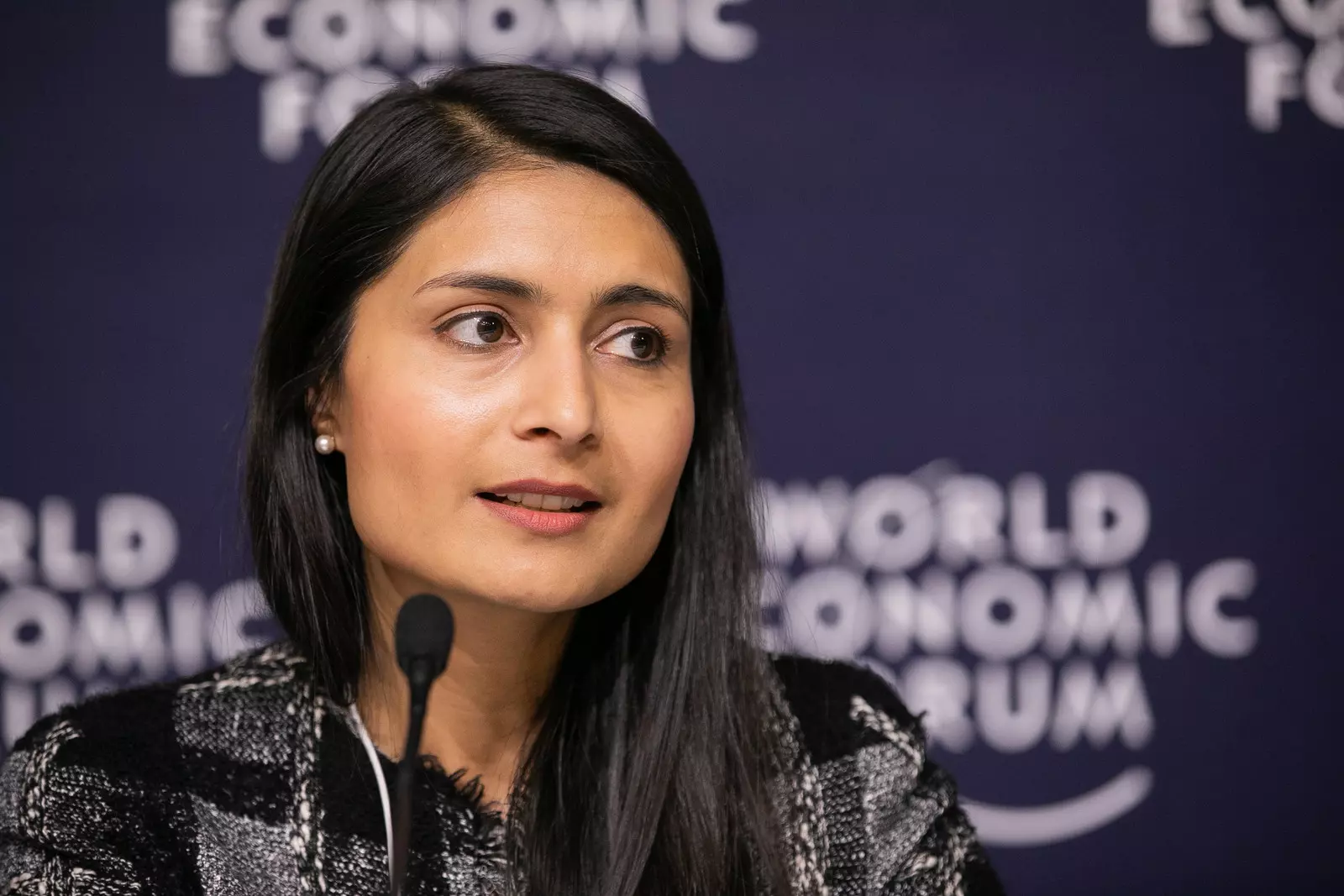
The International Air Transport Association (IATA) has named Saadia Zahidi as its next director general, making her the first woman to lead the 80-year-old trade body.
The announcement, made Thursday from IATA’s Geneva headquarters, caps months of anticipation over who would fill the shoes of Willie Walsh, the outspoken Irish aviation veteran who has steered the organization since April 2021.
Zahidi will formally take the reins on November 1, becoming IATA’s ninth director general since the association’s founding.
What makes the appointment notable isn’t just Zahidi’s gender; it’s her résumé. Unlike her predecessors, many of whom rose through the ranks of national carriers or aviation regulators, Zahidi arrives as something of an outsider to commercial aviation.
She is a Pakistani-born economist stepping into the role at a moment when airlines are grappling with geopolitical and economic pressures, including oil prices climbing above 100 dollars a barrel amid unrest in the Middle East.
For more than twenty years, Zahidi built her career at the World Economic Forum, where she currently serves as managing director and sits on the organization’s managing board.
At the WEF, she founded and led the Centre for the New Economy and Society and previously oversaw the Forum’s Global Communications Group and Global Programming Group. Her fingerprints are on some of the WEF’s most closely watched publications, including the Future of Jobs Report and the Global Gender Gap Report.
Roberto Alvo, IATA’s board chair and the chief executive of LATAM Airlines Group, cast the appointment as a deliberate bet on Zahidi’s global policy fluency rather than on a conventional aviation background.
He described the roughly trillion-dollar air transport sector as one that has reshaped the world for the better and suggested the timing of Zahidi’s arrival coincides with sweeping shifts driven by technology and geopolitics.
Alvo said he expects her skill set to help the industry articulate its needs as those forces reshape the sector in the years ahead, while also crediting Walsh with strengthening IATA’s membership base and steering it through the pandemic recovery.
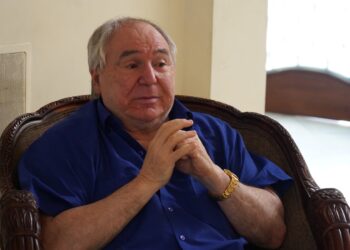
Walsh’s exit carries its own storyline. Rather than stepping away from aviation altogether, the former British Airways and IAG chief is headed to India, where he’s set to take over as chief executive of budget carrier IndiGo.
His last day at IATA is July 31, leaving a three-month gap that the board has moved to fill with Sandrine Le Borgne, IATA’s chief financial officer and senior vice president for corporate services, who will serve as interim director general until Zahidi arrives.
For her part, Zahidi struck a collaborative tone in her first public remarks since the announcement, describing air transport as foundational infrastructure for trade, tourism, and economic opportunity worldwide.
She signaled that partnership with member airlines, governments, and the wider industry ecosystem would define her early priorities as she looks to build on IATA’s existing technical and financial groundwork rather than reinvent it wholesale.
The job is no small undertaking. IATA represents more than 370 airlines, accounting for roughly 85 percent of global air traffic, giving Zahidi’s office an outsized voice in shaping international aviation policy on everything from sustainability targets to digital ticketing standards.
She’ll also need to navigate an increasingly fractured geopolitical landscape, with trade tensions and regional conflicts already rippling through fuel costs and route planning.
Academically, Zahidi’s background reads more like that of a policy economist than a career airline executive: an economics degree from Smith College, a graduate degree in international economics from Geneva’s Graduate Institute, and a public administration degree from Harvard.
She has also lent her expertise to bodies like the UN Secretary-General’s High-Level Panel on Women’s Economic Empowerment and the European Space Agency’s advisory group, credentials that IATA’s board seems to be betting translate well into steering an industry now as much about data, diplomacy, and decarbonization as it is about aircraft and schedules.
Whether an economist steeped in global policy circles can win over an industry accustomed to leadership from its own ranks remains to be seen.
But for now, IATA’s board appears convinced that Zahidi’s outsider perspective and her decades spent translating economic trends into actionable global reports are exactly the kind of fresh thinking the industry needs as it heads into a turbulent few years.
WHAT YOU SHOULD KNOW
Saadia Zahidi’s appointment as IATA’s first female Director General marks a historic shift for global aviation not just because of her gender, but because the industry has chosen an economist and policy strategist from the World Economic Forum over a traditional airline insider to lead it through a period of mounting geopolitical and economic turbulence.
Her success will hinge on whether that outsider perspective can be translated into real influence over an industry still recovering from disruption and now facing fresh headwinds.