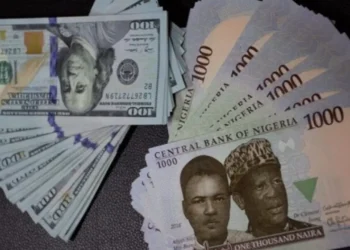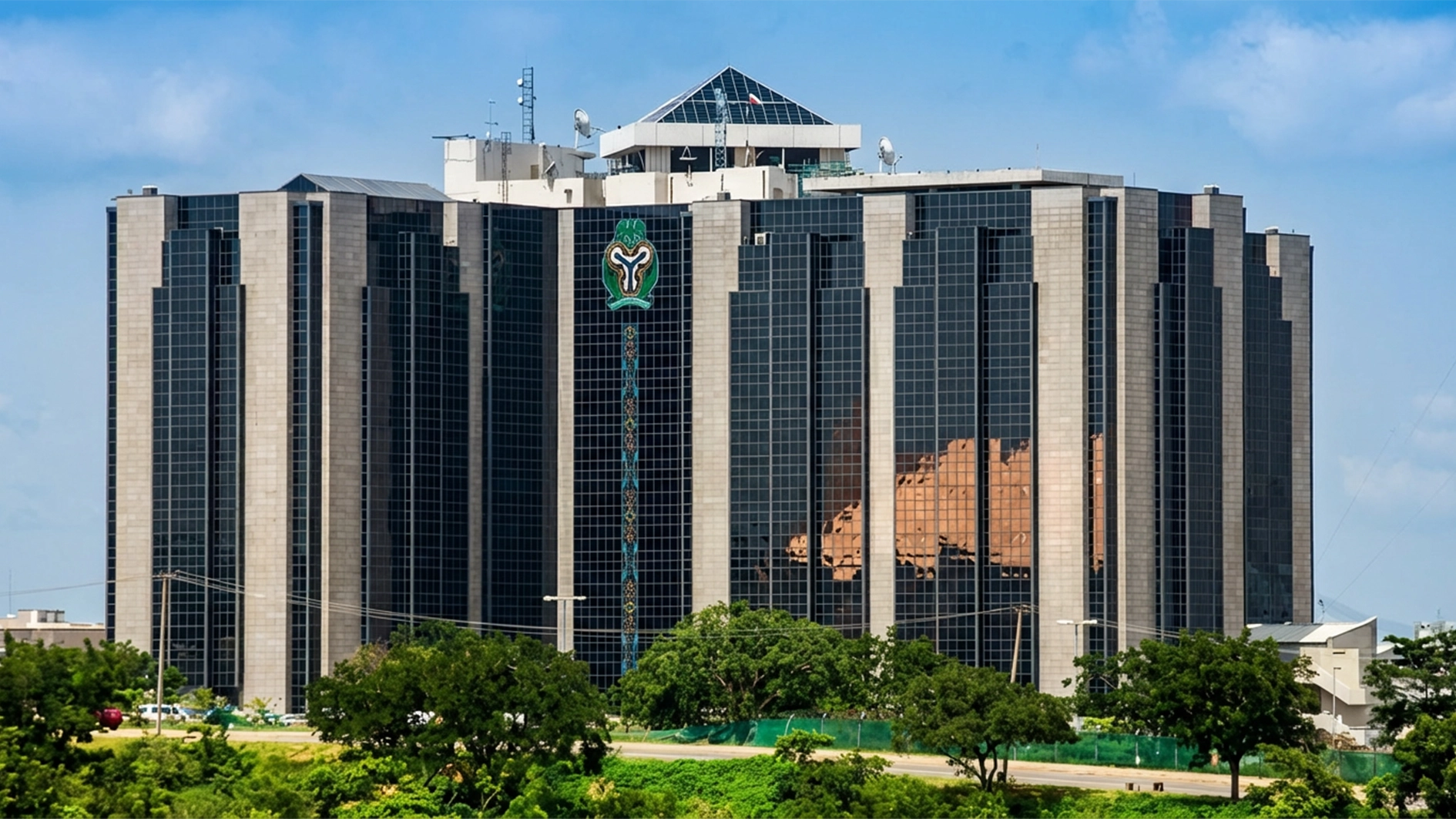
The Central Bank of Nigeria (CBN) flexed its monetary muscle again, draining N4.72 trillion from the banking system in a two-day OMO offensive, a clear sign of its resolve to keep liquidity and inflation firmly in check.
Across four back-to-back auctions held on August 26 and 27, the CBN offered N2.0 trillion in OMO paper spanning tenors of 96, 97, 132, and 152 days. What it got in return was nothing short of overwhelming: N8.62 trillion in total subscriptions, more than four times what was on the table.
It is a figure that speaks to an unrelenting appetite among banks, pension funds, and other institutional investors for risk-free government paper in an environment where returns elsewhere remain comparatively unattractive.
The numbers behind each instrument tell their own story. The 97-day bill, the shortest on offer, drew N783.49 billion in subscriptions against N500 billion offered, eventually allotting N613 billion at a yield of 19.90%, the highest rate of the week.
The close cousin, the 96-day bill, saw even fiercer demand relative to allotment, pulling in N1.067 trillion in bids but rationed down to just N160.46 billion, a mere 15% of what investors wanted, clearing at 19.85%.
But it was the longer-dated instruments that truly stole the show. The 132-day paper attracted a staggering N3.478 trillion in subscriptions, nearly seven times its N500 billion offer before settling at 19.65%. Not to be outdone, the 152-day bill pulled in N3.294 trillion in demand and posted the single largest allotment of the round at N1.768 trillion, at the lowest yield of the set: 19.32%.
Together, the 132-day and 152-day instruments accounted for roughly 84% of both subscriptions and allotments over the two days, a clear signal of where institutional money wanted to go.
Perhaps the most striking pattern to emerge from the auctions was the inverse relationship between tenor and yield: the longer the paper, the lower the rate investors were willing to accept.
Rather than demanding a premium for tying up funds for longer, investors flocked to the 152-day bill at its comparatively modest 19.32%, while the shorter 96- and 97-day bills, ostensibly the “safer,” quicker-turnaround options, commanded higher yields north of 19.8%.
Analysts following the space would likely read this as investors positioning for a possible rate-easing cycle down the line, effectively locking in current yields before they potentially soften, a dynamic that has now repeatedly surfaced across CBN’s OMO and Treasury Bills auctions throughout 2026.
The CBN’s mop-up did not happen in a vacuum. Simultaneously, the system was flush with N4.302 trillion in primary market repayments, with maturing securities returning cash to the banking system split between N2.321 trillion on August 26 and N1.981 trillion on August 27.
Offsetting this were fresh primary market sales of N762.89 billion on August 27, trimming the net primary market injection to N3.539 trillion.
Set against the N4.724 trillion drained via OMO, the net effect was a system-wide liquidity withdrawal of approximately N1.185 trillion over the two days, confirming that the CBN’s mop-up operations more than absorbed whatever cash was freed up by maturing instruments.
And yet, for all that tightening, the banking system showed no signs of distress. Opening balances held by banks and discount houses at the CBN actually rose from N169.55 billion on August 26 to N223.89 billion on August 27 before easing slightly to N194.76 billion by August 28.
Meanwhile, the Standing Deposit Facility, where banks stash their surplus cash overnight, closed the period at a hefty N3.42 trillion.
The takeaway is unmistakable: even after one of the more aggressive OMO mop-ups of the year, Nigeria’s banking system remains deeply liquid, giving the CBN ample room to keep draining excess cash without tipping the system into a funding squeeze, a balancing act that will likely continue to define money market dynamics as 2026 draws to a close.
WHAT YOU SHOULD KNOW
The CBN pulled N4.72 trillion out of the banking system through OMO auctions on August 26–27, yet the system stayed deeply liquid, with N3.42 trillion still parked in the Standing Deposit Facility.
The key signal for investors is the inverted yield pattern: longer-tenor bills (132-day, 152-day) drew the heaviest demand at lower yields (19.32%–19.65%), while shorter bills (96-day, 97-day) cleared higher (19.85%–19.90%).