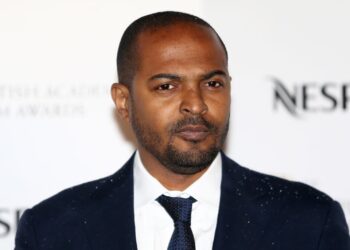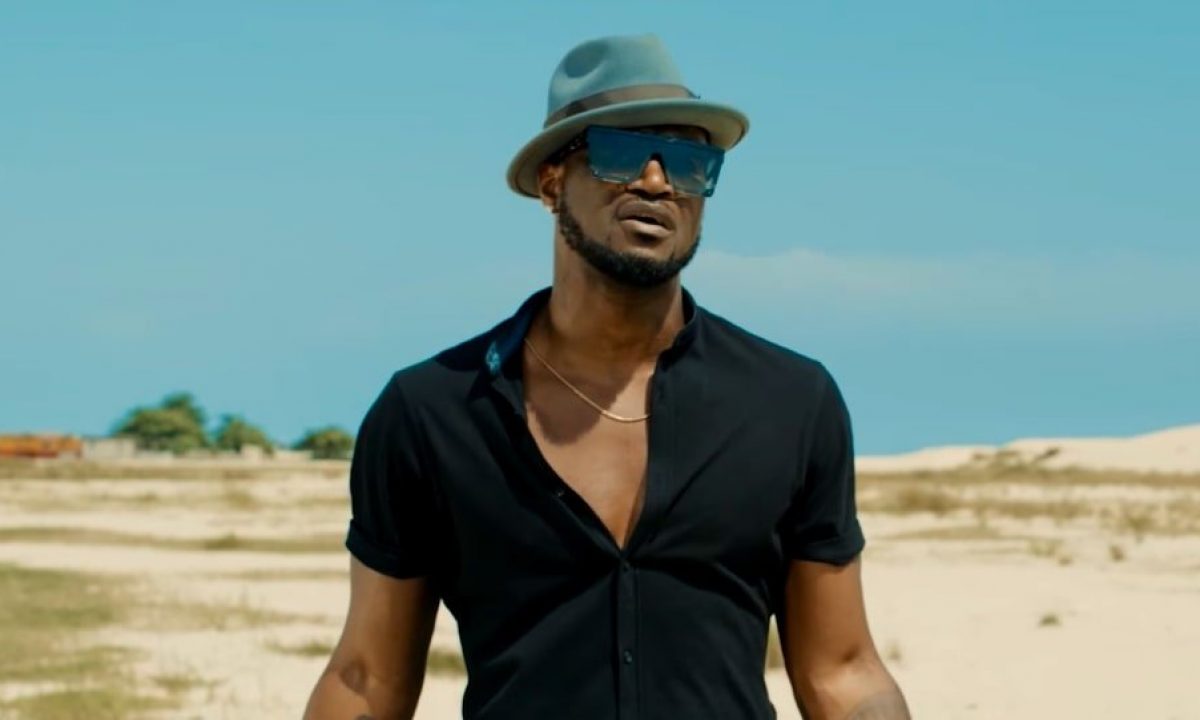
Mr. P, one half of the disbanded P-Square duo, has sparked online backlash after seeming to dismiss the worth of Nigeria’s indigenous languages while praising his children’s fluency in French.
The 44-year-old singer, currently holidaying in Paris, took to X on Monday to share his admiration for how effortlessly his children switch into French, even suggesting the experience had him reconsidering settling down in the French capital.
The post, meant as a lighthearted musing from a proud father abroad, quickly took a different turn when a follower asked a simple, pointed question: could his kids speak Igbo too?
Rather than a straightforward yes or no, Okoye’s response ignited a firestorm. He questioned what practical benefit Nigerian languages actually offered, a remark that struck many as dismissive of the very linguistic and cultural heritage he has spent much of his career celebrating through music.
The irony was not lost on fans and critics alike. Okoye, who hails from Ifite Dunu in Anambra State and has built a decades-long career alongside his twin brother Paul (Rudeboy), has long peppered his hit records with Igbo and Yoruba lyrics, phrases, and slang, drawing heavily on the commercial and cultural appeal of those very languages to connect with African audiences at home and in the diaspora. That history made his dismissal of their value feel, to many, like biting the hand that fed him.
Social media reaction was swift and unforgiving. Nigerians accused the singer of hypocrisy, arguing that a man who has profited immensely from infusing his music with indigenous expressions had no business suggesting those same languages carried little worth.
Others framed the backlash as part of a broader, recurring conversation about cultural identity among Nigeria’s elite and diaspora, the tension between raising children as global citizens fluent in foreign tongues and preserving the mother languages that anchor their heritage.
Okoye, for his part, has stood by his position. He has defended his children’s French fluency by insisting that parents should have the freedom to decide how they raise their own kids without outside interference.
It is not the first time this year the singer has clashed publicly with critics online over matters touching on his Igbo identity; in April, he was accused by a social media user of disgracing the Igbo community over an unrelated personal decision, an exchange that ended with Okoye firing back and blocking the user.
Whether the latest episode will dent Okoye’s standing with fans remains to be seen, but it has, for now, reignited a familiar and sensitive debate in Nigerian public discourse: the widening gap between celebrated Afrobeats stars who trade on indigenous culture for global success and their sometimes complicated relationship with that same culture behind the scenes.
WHAT YOU SHOULD KNOW
At the heart of this controversy lies a glaring contradiction: Peter Okoye dismissed Nigerian languages as having little value, yet his entire music career has thrived on the commercial and cultural richness of Igbo and Yoruba lyrics.
The backlash isn’t just about one careless remark; it reflects a deeper unease many Nigerians feel when public figures profit from their heritage while seemingly devaluing it in their personal lives.