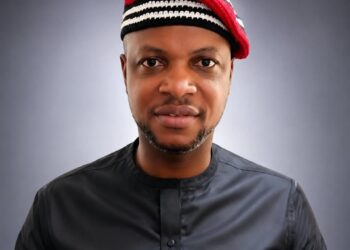
The National Vice Chairman (South West) of the Peoples Redemption Party (PRP), Wolimoh Olajide Epe, has resigned from the party ahead of the 2027 general elections, citing what he described as its lack of national relevance and limited political direction.
In a resignation letter addressed to the party’s National Chairman, Dr. Hakeem Baba-Ahmed, Wolimoh said his resignation takes immediate effect.
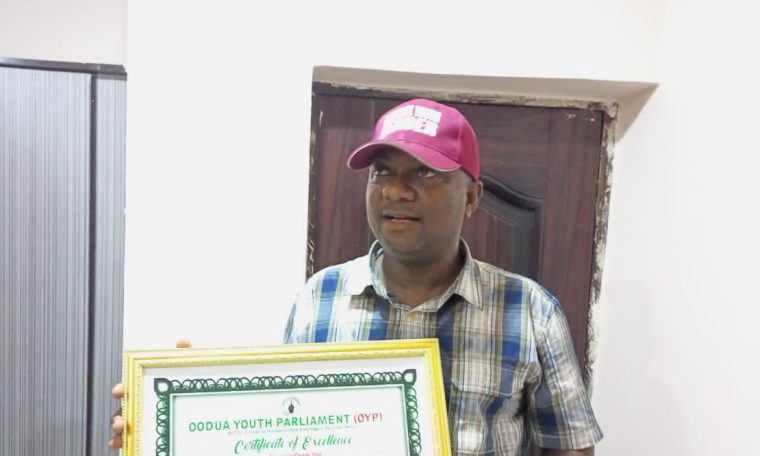
He explained that the decision followed extensive consultations with his political associates, supporters and other stakeholders who had closely monitored his activities within the party.
According to him, the decision was not taken lightly, but was reached after several discussions about the future of the PRP convinced him that remaining in the party no longer aligned with his political goals or those of his supporters.
Wolimoh thanked the PRP for the opportunities he had during his time in the party. He noted that he served in several positions, including committee member, National Youth Leader and later National Vice Chairman representing the South West.
Despite holding key positions, he said the party had failed to develop into a strong national political force capable of competing effectively for power at the federal level.
He added that many of his supporters had become worried about what they considered the party’s inability to build momentum across the country.
According to Wolimoh, many members and supporters believe the PRP lacks the seriousness and ambition needed to become a major political platform.
He also claimed that the party has gradually shifted from active political participation and now functions more as a platform for political discussions than one focused on winning elections and influencing governance.
The former vice chairman further alleged that the PRP is widely seen as a northern-based political party, a perception he said has limited its ability to attract support from other parts of the country.
He claimed that members from outside the North often feel excluded from major decision-making processes and have little influence on the party’s direction.
Wolimoh also alleged that leadership positions are not fairly distributed, arguing that the office of the national chairman appears to be reserved for the northern region, making it difficult for members from other geopolitical zones to aspire to the position.
According to him, this has weakened the party’s image as a truly national platform and reduced its appeal to Nigerians seeking inclusive representation.
He added that the PRP missed several opportunities to expand its presence across the country and should have done more to strengthen its structures beyond its traditional strongholds.
Announcing his next move, Wolimoh said he would continue his political career on another platform but declined to reveal the party he intends to join, saying the decision would be made public at the appropriate time.
Despite his criticisms, he wished the PRP well and urged its leadership to address the issues he raised.
He said, “I sincerely hope the leadership of the PRP will reflect on these observations and take the necessary steps to reposition the party for greater national relevance and inclusiveness.”
As of the time of filing the report, PRP National Chairman, Dr. Hakeem Baba-Ahmed, had not responded publicly to the resignation or the allegations. No official reaction had also been issued by other senior party members.