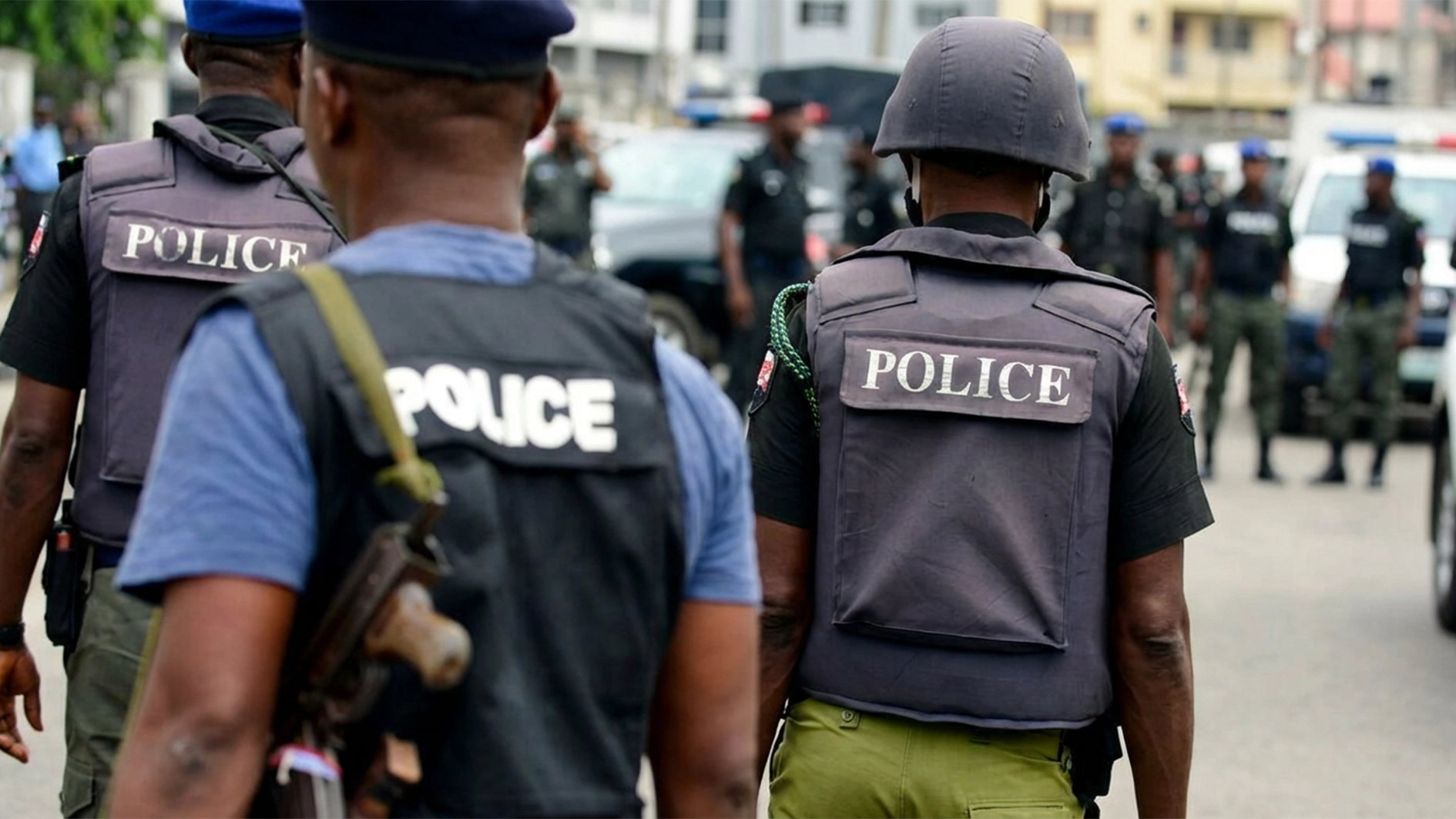
A bloody land dispute between farming and herding communities in Rafi Local Government Area of Niger State has left at least 18 people dead, according to police, though survivors and community leaders insist the real toll is likely far higher and that the killing was still going on as of Thursday.
The Niger State Police Command says the crisis can be traced to June 29, when unidentified gunmen shot dead 25-year-old Ibrahim Musa in Godoro village. Police spokesman SP Wasiu Abiodun said the killing triggered a reprisal: members of a local vigilante outfit known as Yansakai allegedly barricaded a road and killed 28-year-old Bashir Mazi in response.
What might have remained an isolated killing instead metastasized. Police say the underlying trigger is a long-simmering land dispute between two communities in the area, a fault line that, once violence broke out, quickly pulled in neighboring villages, including Anguwan-Baago, Kuwan-Kasa, Mararraban-Gwadaro, and Tashan-Bako.
The crisis reached its deadliest point on Wednesday night. Police say that at around 10 p.m., they received reports that 15 people had been burned to death inside a two-bedroom apartment in Anguwan-Baago, near Godoro village.
A sixteenth victim was reportedly killed elsewhere the same night, and combined with the two earlier deaths, brings the confirmed toll to 18.
This is not an isolated flashpoint. The area sits within a broader zone of tension between Fulani herders and Kamuku farming communities that has flared repeatedly in Rafi Local Government Area in recent months.
In Tegina, a nearby town in the same council area, tensions had already boiled over in May, after a monetary donation from a Niger East senator to a local Fulani community was allegedly mishandled, leading to the killing of the Fulani community leader entrusted with distributing the funds.
His body was later found near an office used by a Kamuku-dominated vigilante group, and the herders reportedly believed he had been killed over the money, triggering retaliatory attacks that killed at least eight people at the time.
That underlying grievance appears never to have been fully resolved, and by this week it had erupted again on a larger scale. Separate reporting from the same council area this week put the death toll from related clashes in Tegina as high as 48, with residents describing an early-morning invasion of a Kamuku community by machete-wielding herders that killed dozens, mostly women, children, and the elderly, followed by a retaliatory attack that killed several herders working on a nearby plantation.
Whether those figures represent the same violence described by police in Anguwan-Baago and Tashan-Bako or a parallel front in the same widening conflict remains unclear, a confusion that itself speaks to how fragmented information has become as the crisis spreads across multiple communities simultaneously.
Abiodun said a reconciliation committee, led by local government officials and working alongside security agencies, was attempting to broker peace and that a joint police-military deployment had been sent to the affected communities to restore order.
But residents interviewed on Thursday painted a starkly different picture: one of a security response that had not yet arrived and a death toll still climbing. A community leader said Tashan-Bako had been completely razed that afternoon, with more casualties still being reported.
He said the affected areas remained inaccessible, making it impossible for anyone to independently verify how many people had been killed or wounded, and alleged that no security personnel had reached the community despite the police statement. Thousands of residents, including women and children, were said to have fled to Tegina, Maikujeri, Pandogari, Kagara, and other surrounding towns.
A separate resident put the toll even higher, alleging that more than 30 people had been burned alive in their homes, with many more injured and accused authorities of reacting too slowly to contain the violence once it began spreading between villages.
The clashes fit a grim, long-running pattern in Nigeria’s Middle Belt and North-Central states, where competition between herders and farmers over land and water has killed thousands of people since the return of democracy in 1999.
Farmer-herder violence in Nigeria has killed more than 19,000 people and displaced hundreds of thousands more since 1999, driven by factors including population growth, shrinking pastureland, weakened traditional conflict-resolution structures, and the proliferation of small arms in rural areas.
The Rafi council area in particular home to Tegina, the site of the notorious 2021 mass abduction of schoolchildren has become one of the more volatile pressure points in that broader crisis, compounding an already fragile security situation shaped by years of banditry and kidnapping-for-ransom.
As of Thursday, the discrepancy between the official casualty figure and residents’ accounts remained unresolved, and journalists, like security agencies, by residents’ account, had yet to gain access to the worst-hit areas.
With displaced families streaming into neighboring towns and the reconciliation committee only beginning its work, it remains to be seen whether the joint police-military deployment can contain a conflict that, by multiple accounts, was still spreading at the time of reporting.
WHAT YOU SHOULD KNOW
What began as a single retaliatory killing over a land dispute in the Rafi Local Government Area has spiraled into one of Niger State’s deadliest bouts of communal violence in months, leaving at least 18 dead by police count, though residents say the true toll, likely over 30, is unknowable because the worst-hit villages remain cut off and unreached by security forces even days after deployment was announced.
This is not an isolated flare-up but the latest eruption of a long-unresolved Fulani-Kamuku land conflict in the same council area that had already turned deadly in May, and until the underlying dispute is actually settled, rather than just policed after each outbreak, these communities will likely keep cycling back into violence.