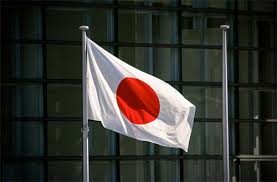
Japan’s Cabinet approved on Friday its biggest visa fee hike in nearly 50 years, set to take effect for foreign visitors entering the country.
The decision, confirmed at a Cabinet meeting on June 19, ends a fee structure that has stood largely untouched since 1978.
Starting July 1, travelers who need a visa to enter Japan will pay roughly five times what they do now, a single-entry visa jumping from ¥3,000 to ¥15,000 (about $93) and a multiple-entry visa rising from ¥6,000 to ¥30,000 (about $188). The new rates apply to every application filed on or after July 1, regardless of where the traveler is from.
Foreign Minister Toshimitsu Motegi, announcing the change, said the fee had been overtaken by time. The figure was fixed in 1978 and never adjusted for inflation or for how much the yen has moved since.
Officials have framed the increase less as a tourism tax and more as a long-overdue correction closing a gap that left Japan charging a fraction of what other major economies ask for comparable visas.
Washington’s visa renewal fees run several hundred dollars, and Germany’s sit in the neighborhood of 100 euros; Tokyo’s ¥3,000 charge, worth barely $20, had become something of an outlier among wealthy nations.
Travelers from the roughly 74 countries and regions that hold visa-exemption agreements with Japan, including the United States, the United Kingdom, Canada, Australia, and most of the European Union, still enter visa-free for stays of up to 90 days and pay nothing under this change. The new charges fall on nationals who require a visa before they fly, a smaller but still substantial slice of Japan’s inbound traffic.
Japan’s foreign resident population closed out 2025 at a record 4.13 million, and the strain on immigration offices, language programs, and overstay enforcement has been mounting for years.
Officials say the additional revenue will be funneled into modernizing immigration management systems, expanding Japanese-language education for new arrivals, and tightening compliance measures aimed at visa overstays.
A separate piece of legislation passed by the House of Representatives in late April and cleared by the Upper House on May 29 raises the legal ceiling on fees tied to residency, not just entry.
That bill lifts the statutory cap for changing residency status or extending a stay from ¥10,000 to ¥100,000 and raises the ceiling for permanent residency applications thirtyfold, from ¥10,000 to ¥300,000. It marks the first change to those particular caps since 1982.
Those numbers are legal ceilings, not finalized prices; the actual fees will be set later by Cabinet order. But projections shared with lawmakers in April give a clear sense of where things are headed: a five-year visa renewal is expected to cost around ¥70,000, up from roughly ¥6,000 today; a three-year renewal around ¥60,000; a one-year renewal around ¥30,000; and a permanent residency application around ¥200,000, up from ¥10,000. Japan’s Justice Ministry has indicated these figures are expected to take effect before March 2027.
Justice Minister Hiroshi Hiraguchi defended the increases in March, arguing that foreign residents should bear a fair share of the administrative costs tied to processing their applications.
Not everyone in parliament agreed with the opposition Constitutional Democratic Party, which voted against the bill, warning that fees of this size could weigh heavily on asylum seekers and other vulnerable residents who are least able to absorb them.
The visa overhaul isn’t happening in isolation. Japan’s International Tourist Tax, the departure charge baked into every outbound plane or ferry ticket, is also rising on July 1 from ¥1,000 to ¥3,000 per traveler, applied regardless of nationality. Tickets already issued before July 1 will keep the old rate.
Further out, Japan is laying the groundwork for JESTA, an electronic travel authorization system modeled on the United States’ ESTA program, intended to pre-screen visa-exempt travelers before they board flights to Japan.
The government says the system expected by March 2029 is meant to flag inadmissible travelers in advance and ease congestion at ports of entry, alongside the broader push to crack down on overstayers.
Despite the scale of the changes, Japanese officials have downplayed any risk to inbound tourism, which has been running at record levels. Motegi said the government does not anticipate the higher fees will meaningfully dent visitor numbers, framing the adjustment as a belated alignment with international norms rather than a deterrent.
For travelers who do need a visa, the message from Tokyo is straightforward: anyone planning a trip should expect to pay substantially more starting in July and should factor the new costs along with the rising departure tax into their travel budgets well before booking.
WHAT YOU SHOULD KNOW
Starting July 1, 2026, Japan is raising visa fees roughly fivefold (single-entry to ¥15,000, multiple-entry to ¥30,000), its first revision since 1978, while also clearing the way for residency and permanent-residency fees to climb just as sharply in the months ahead.
The one thing worth remembering: if you’re from a visa-exempt country (the US, the UK, Canada, Australia, or most of the EU), none of this touches your trip. The hikes hit visa-required travelers and foreign residents, not the average tourist.