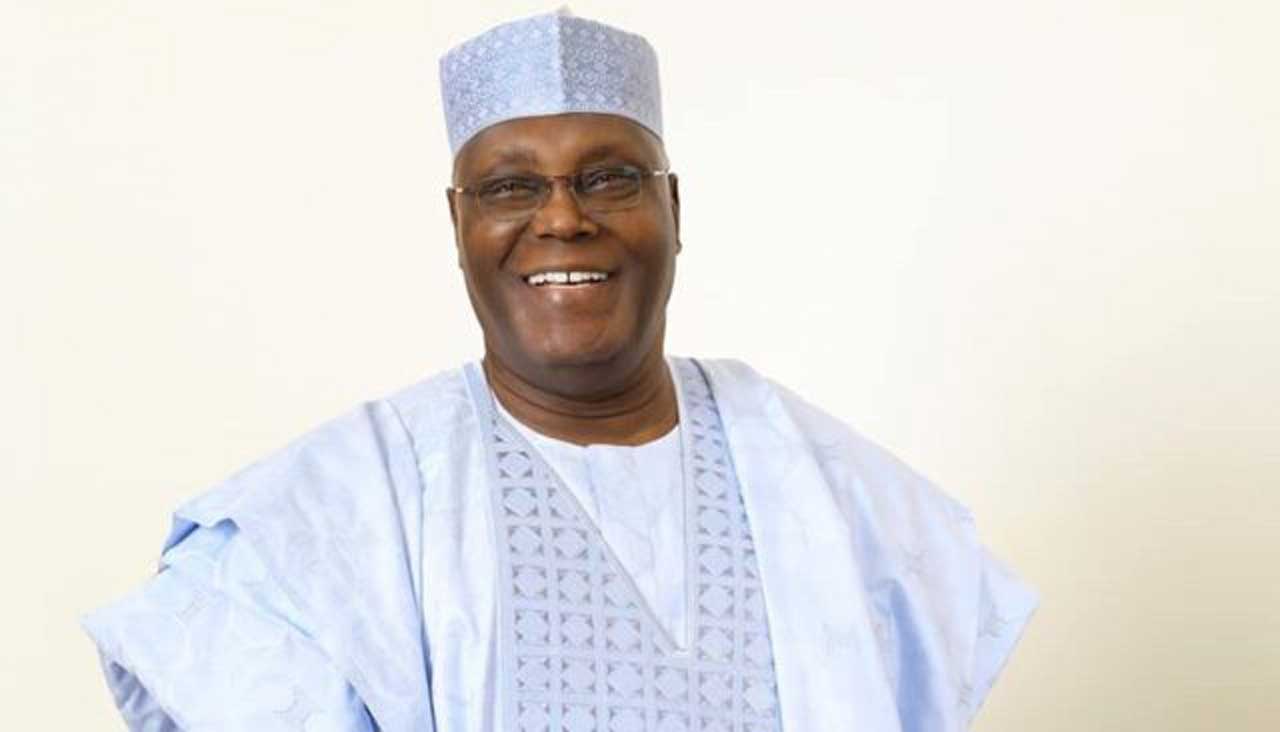
Former Vice President Atiku Abubakar has emerged as the presidential candidate of the African Democratic Congress for the 2027 general election after defeating former Minister of Transportation Rotimi Amaechi and businessman Mohammed Hayatu-Deen in the party’s presidential primary.
The result was announced on Wednesday night at the Congress Hall of Transcorp Hilton Abuja, where the party leadership led by David Mark officially presented the party flag to Atiku after his victory.
According to the announced figures, Atiku secured 1,846,370 votes to defeat Amaechi, who polled 504,117 votes, while Hayatu-Deen scored 177,120 votes.
The result showed that a total of 2,546,457 votes were cast from the party’s membership strength of 3,113,599 registered members nationwide.
A breakdown of the figures indicated that Atiku defeated Amaechi by 1,342,253 votes and also led Hayatu-Deen by 1,669,250 votes, while Amaechi defeated Hayatu-Deen by 327,003 votes.
The ADC commenced its presidential primary exercise on May 25, 2026, using the direct primary method after all three aspirants declined pressure to step down for a consensus arrangement.
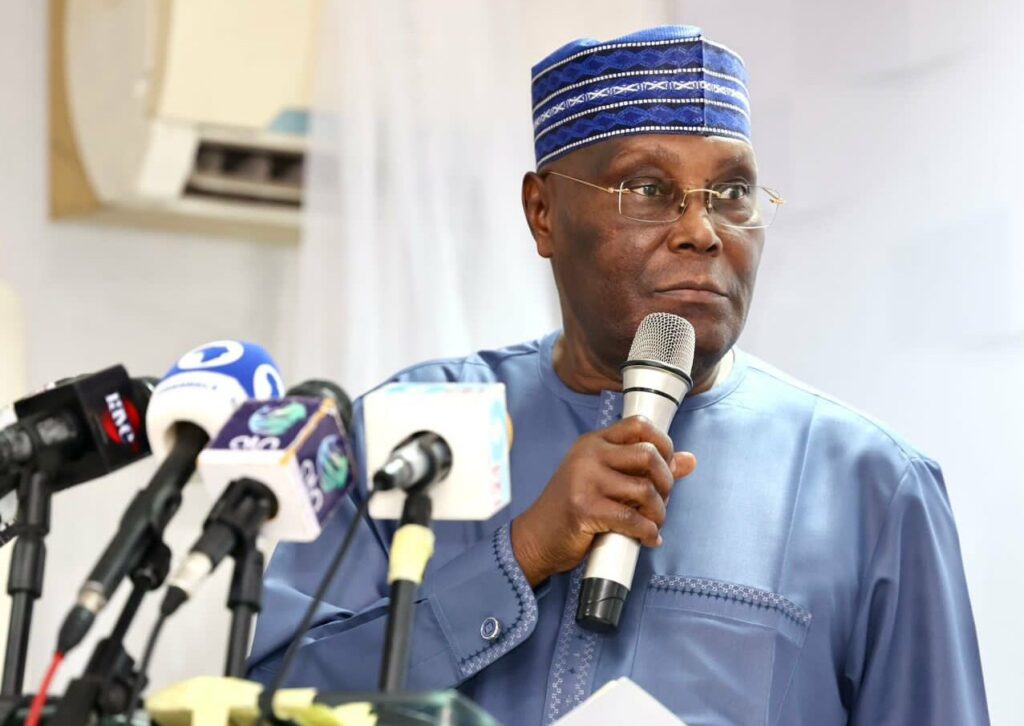
Speaking after his victory, Atiku called on party members and rival aspirants to unite ahead of the 2027 general election.
“I therefore appeal to all those who feel aggrieved to come back to our party and close ranks with the rest of us,” he said.
The former vice president also extended a direct appeal to Amaechi and Hayatu-Deen.
“In particular, I invite Chief Rotimi Amaechi and Alhaji Muhammad Hayatu-Deen to join me in this fight to save our democracy and our country,” Atiku stated.
He insisted that the outcome of the primary should not create division within the party.
“As I said previously, there are no winners and no losers. Our people look up to us for leadership and I am ready to lead,” he added.
Atiku further pledged to work with party stakeholders to strengthen the ADC ahead of the next elections.
“I shall work with you all to continue to build our party. I will campaign with you and if Nigeria’s leaders demand it, govern with you to build a country that works for all of us,” he said.
However, both Amaechi and Hayatu-Deen rejected the outcome of the exercise before the official declaration, alleging manipulation and irregularities during the voting process.
Amaechi described the results as “concocted” and alleged widespread voter disenfranchisement during the primary election.
Atiku, while addressing delegates and party members, said the ADC had demonstrated that internal democracy still existed despite pressure facing opposition politics in Nigeria.
“We constructed that while democracy is being strangled and squashed by the ruling party… democracy is alive and well in the African Democratic Congress,” he said.
The former vice president also accused authorities of intimidating opposition politicians and interfering in party affairs.
He added that the ADC would focus on issues affecting Nigerians, including insecurity, education, healthcare, and economic hardship.
Atiku promised that if elected president, his administration would strengthen security agencies, improve healthcare systems, expand access to education, and tackle poverty across the country.
He also criticised current economic conditions, saying Nigerians were facing worsening hardship due to policy failures and rising poverty levels.
The former vice president concluded by saying the party’s focus must now shift toward winning the 2027 presidential election.
“We have to prepare and play hard to win the next general elections in order to begin the difficult process of rescuing our country and its long-suffering people,” he said.
What You Should Know
Atiku Abubakar’s emergence as the ADC presidential candidate marks another major political comeback attempt for the former vice president, who has contested for Nigeria’s presidency multiple times under different political platforms.
The ADC primary also highlighted growing divisions within the opposition coalition, especially after Rotimi Amaechi and Mohammed Hayatu-Deen rejected the outcome of the process over alleged irregularities.
The development sets the stage for a major political contest ahead of the 2027 general election, where opposition parties are attempting to build stronger alliances against the ruling APC amid rising concerns over insecurity, economic hardship, and governance across Nigeria.