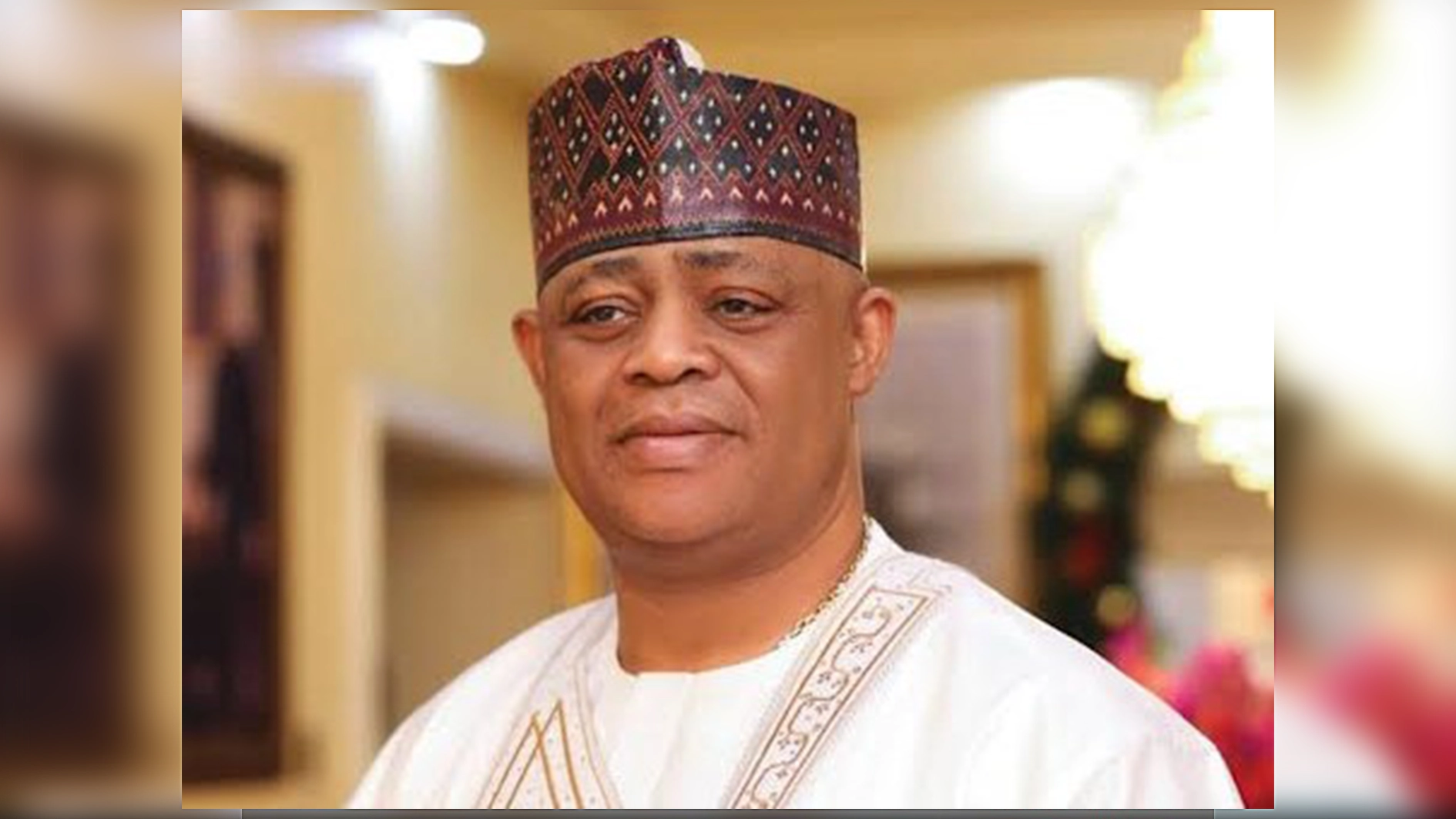
President Bola Tinubu has approved the redeployment of Fani-Kayode as ambassador-designate to South Africa, in what is shaping up to be one of the more colorful episodes in recent Nigerian diplomatic history.
The development comes on the heels of reports that Fani-Kayode’s initial posting to Germany had fallen through, though the two versions of why that happened could not be more different.
Multiple sources familiar with the matter have indicated that the German government declined to grant Fani-Kayode agrément, the formal diplomatic approval a receiving country must issue before an ambassador can take up their post. It is a quiet but devastating rebuff in the world of international diplomacy, one that rarely makes headlines in polite terms.
Fani-Kayode, however, is not a man known for quiet exits.
Taking to X, formerly Twitter, the outspoken politician offered a starkly different version of events, insisting that it was he who walked away from Germany, not the other way around.
“It gives me pleasure to announce the fact that Mr. President has graciously approved my posting as Nigeria’s Ambassador-Designate to South Africa,” he wrote, before launching into a detailed explanation of how the change came about.
According to Fani-Kayode, within just two days of his initial posting to Germany being announced, he had already placed a formal representation before the then-Minister of Foreign Affairs, Ambassador Yusuf Tuggar, expressing his discomfort with the European nation.
He cited personal reasons, noting that having spent much of his life in Europe, he had little appetite for a return to familiar terrain.
“I would prefer to go to South Africa,” he wrote, “which is a country that I have never been to and for which I have so much interest.”
Beyond the personal justifications, Fani-Kayode framed his preference for South Africa in sweeping ideological terms, describing it as a country that “shares some of my convictions, beliefs and values when it comes to world affairs”, a nation with the largest economy on the African continent, closer geographic and political ties to Nigeria, and one aligned with what he described as his “pan-African vision.”
It was, by his own telling, a principled choice rather than a consolation prize.
Whether that framing will hold under scrutiny is another matter entirely. Diplomatic circles in Abuja have been notably tight-lipped on the specifics of the German situation, and the Ministry of Foreign Affairs has yet to issue any public statement clarifying the sequence of events, a silence that, in diplomatic language, speaks volumes.
Femi Fani-Kayode is no stranger to controversy. A former federal minister and vocal government critic turned ardent Tinubu ally, he has long been one of the most polarizing figures in Nigerian politics.
His appointment as an ambassador-designate had already raised eyebrows in some quarters, given his combustible public profile and history of incendiary statements, qualities rarely associated with the careful, measured world of professional diplomacy.
His selection for South Africa, a country that plays an outsized role in continental geopolitics and maintains one of the most complex bilateral relationships with Nigeria, will now face scrutiny of its own. Relations between Abuja and Pretoria have historically been turbulent, shaped by periodic xenophobic violence against Nigerians in South Africa and recurring trade and migration tensions.
Whether Fani-Kayode’s self-described pan-African credentials will serve as an asset or a liability in that high-stakes environment remains to be seen.
For now, the appointment awaits the final diplomatic formality, South Africa’s own grant of agrément. Until Pretoria officially accepts his credentials, Fani-Kayode remains an ambassador-designate in title only.
Given the circumstances surrounding his German posting, that approval will be watched closely.
One thing, at least, appears certain: if there is a story to be told along the way, Femi Fani-Kayode will be the first to tell it on his own terms.
WHAT YOU SHOULD KNOW
Femi Fani-Kayode’s ambassadorial journey tells two very different stories depending on who you ask. While official sources suggest Germany rejected his appointment, Fani-Kayode insists he made the choice himself and has gone to great lengths to say so publicly.
His new posting to South Africa, a nation with a historically strained relationship with Nigeria, will be his opportunity to prove that his appointment was about capability all along. The real verdict, however, will not come from X; it will come from Pretoria.