The Senate has reversed its earlier controversial amendment that restricted first-time senators from contesting for presiding offices, effectively reopening the race for Senate President and Deputy Senate President ahead of the 2027 general elections.
The decision marks a dramatic shift from Tuesday’s amendment to the Senate Standing Orders, which had introduced stricter eligibility conditions for leadership positions in the 11th National Assembly.
Under the now-reversed amendment, only senators returning from the current 10th Assembly after re-election would have been eligible to contest for Senate President and other top presiding offices.
The amendment had also created a ranking hierarchy for leadership contests, placing former Senate Presidents, former Deputy Senate Presidents, former Principal Officers, senators who had completed at least one term, lawmakers moving from the House of Representatives, and first-time senators in descending order of eligibility.
The controversial rule had sparked widespread reactions, with many interpreting it as an attempt to narrow the field and pre-determine the next Senate leadership.
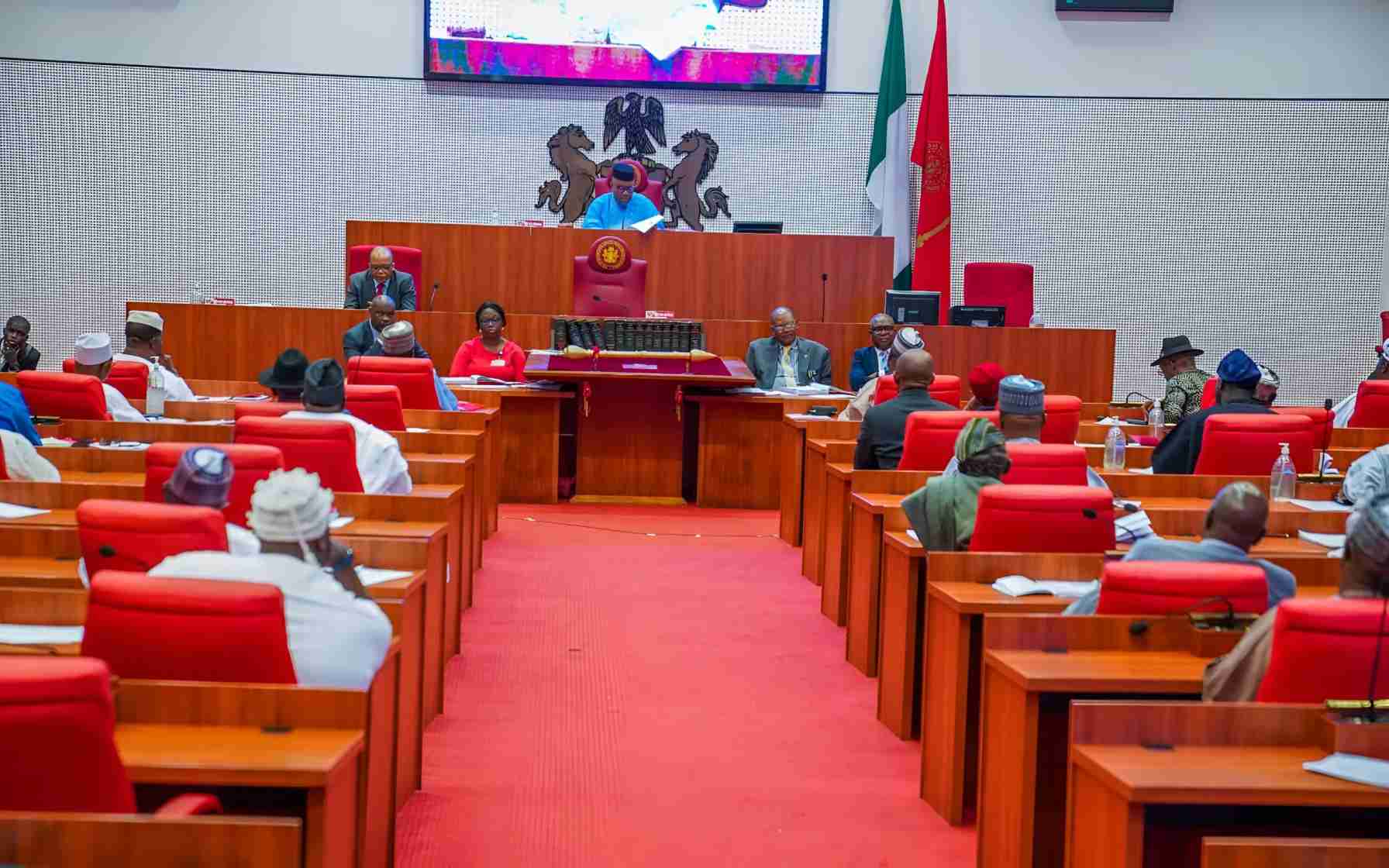
However, during plenary on Thursday, the Senate adopted a motion to rescind the amendment, restoring eligibility for all elected senators regardless of tenure.
The motion was sponsored by Senate Leader, Opeyemi Bamidele of the All Progressives Congress representing Ekiti Central and was presided over by Deputy Senate President Jubril Barau.
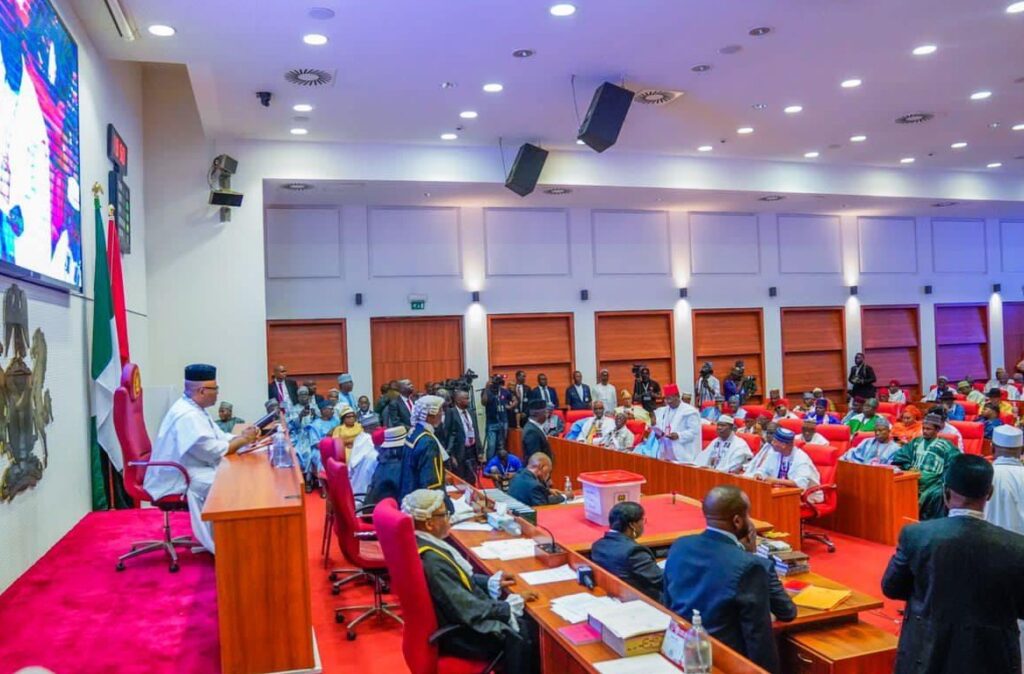
Speaking on the floor, Bamidele explained that further legislative and constitutional scrutiny revealed that some of the amended provisions could conflict with the 1999 Constitution.
He said, “the Senate recalls that the Senate Standing Orders were considered and amended on Tuesday, 5th May, 2026.
“Observes that upon further legislative and constitutional review, certain provisions introduced under Order 2(2) and Order 3(1) may give rise to constitutional inconsistencies and unintended tensions with the provisions of the Constitution of the Federal Republic of Nigeria, 1999 (as amended), particularly Section 52 thereof.
“Notes that it is necessary to ensure that the Standing Orders of the Senate remain fully consistent with constitutional provisions, established parliamentary conventions, and legislative practice.
“Further notes that the Senate possesses the inherent parliamentary authority to revisit, rescind, and recommit any matter previously decided upon in order to preserve the integrity of its proceedings and legislative framework.”
He added that the Senate had accordingly resolved to withdraw the earlier amendment and recommit the matter for proper legislative review.
The reversal means that all senators elected into the 11th Senate in 2027, including first-time lawmakers, can now contest for the offices of Senate President and Deputy Senate President.
The development is seen as a significant victory for inclusiveness within the upper legislative chamber and could intensify early political calculations among aspirants eyeing the National Assembly’s top seat.
It also signals the Senate’s willingness to revisit controversial decisions in order to align its internal rules with constitutional principles and broader democratic expectations.
What You Should Know
The Senate’s reversal of the controversial amendment removes restrictions that would have prevented first-time senators from contesting for top leadership positions in the 11th National Assembly.
This means the 2027 Senate Presidency race is once again open to all elected senators, regardless of experience or tenure. The U-turn followed concerns that the amendment could violate constitutional provisions and undermine fair competition.
Politically, the decision reshapes calculations ahead of 2027, allowing more aspirants to emerge.
It also reflects growing sensitivity within the Senate to public criticism and constitutional scrutiny, while reinforcing the principle that leadership contests should remain open and competitive.