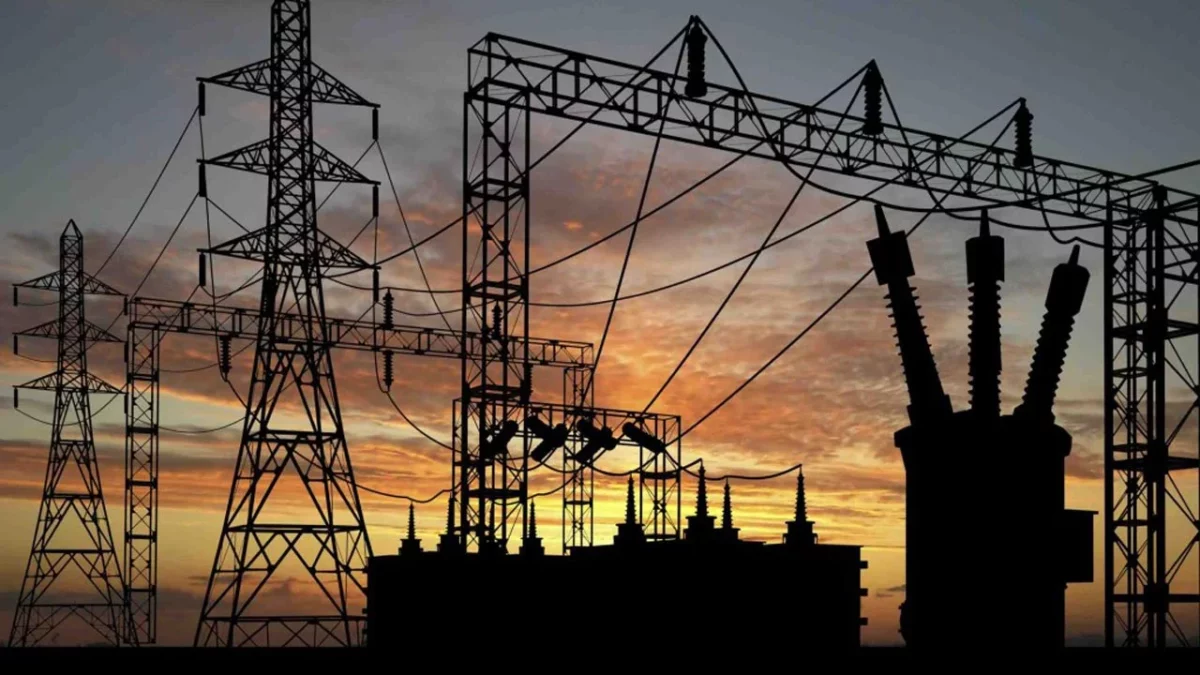
Frustration is boiling over across Nigeria as citizens endure yet another summer of blackouts, with many households and businesses going days without reliable electricity.
The deepening crisis has triggered widespread anger, especially as government interventions totalling several trillion naira continue to yield little visible improvement.
A fresh analysis by FBNQuest Merchant Bank paints a damning picture of a sector trapped in structural failure and financial haemorrhage. The bank’s note, warns that repeated government bailouts and mounting subsidies are merely papering over cracks in a system that remains fundamentally broken.
“Government bailouts and subsidy payments, while offering short-term relief, cannot rescue a system in chronic imbalance,” the report states bluntly.
At the heart of the problem is Nigeria’s dangerous over-reliance on natural gas. According to data from the Nigerian Electricity Regulatory Commission (NERC) for the third quarter of 2025, gas-fired plants generated roughly 75 per cent of the country’s total electricity output. That heavy dependence has left the national grid hostage to recurring shocks — gas supply shortages, mounting unpaid debts to producers, and frequent acts of pipeline vandalism.
The numbers tell the story of chronic under-performance. In Q3 2025, the country had 5,430 megawatts (MW) of available generation capacity, yet actual output averaged only 4,179 MWh per hour.
Nearly a quarter of installed capacity sat idle, the direct result of outdated infrastructure, erratic fuel delivery, and persistent contractual disputes along the entire value chain.
Financially, the situation is equally dire. Distribution companies (DisCos) billed customers N707 billion during the quarter but remitted just N570 billion — a shortfall that has become routine. With only 55.4 per cent of consumers metered nationwide, estimated billing remains rampant, fuelling consumer resistance and a vicious cycle of under-collection. That liquidity squeeze ripples upward, leaving gas suppliers unpaid and further choking generation.
The Federal Government has stepped in repeatedly as financier of last resort. Subsidies alone hit N456 billion in Q3 2025, pushing the nine-month total to N1.5 trillion. On top of that, a verified N4 trillion debt overhang now hangs over the sector.
The government has begun issuing bonds to clear part of it — N501 billion was already floated in January 2026 — but analysts say the fiscal cost is becoming unsustainable.
FBNQuest Merchant Bank argues that these stop-gap measures cannot substitute for genuine reform. The bank is calling for urgent, comprehensive changes: sharper collection efficiency, full enforcement of cost-reflective tariffs, rapid expansion of metering coverage, and a deliberate diversification of the energy mix to embrace solar, hydro, and wind power.
“Investment in transmission infrastructure and governance transparency will also be pivotal if the sector is to regain investor confidence,” the report stresses.
While the latest bailout bonds have provided temporary breathing space, the bank cautions that they merely mask deeper rot. “Unless Nigeria breaks this cycle of under-generation and under-collection, the country risks locking itself into a permanent pattern of public spending without corresponding power supply,” it warns.
In its stark conclusion, FBNQuest Merchant Bank declares that without structural overhaul and iron-clad collection discipline, subsidies will remain exactly what they are today — a costly temporary patch, not a lasting solution.
As the lights continue to flicker across homes, factories, and markets from Port Harcourt to Kano, ordinary Nigerians are demanding more than another round of promises.
They want power that works — and an end to a crisis that is throttling economic growth and testing the patience of a nation already stretched to its limits.
WHAT YOU SHOULD KNOW
Nigeria’s electricity crisis persists despite multi-trillion-naira interventions and subsidies because of deep-rooted structural weaknesses and financial inefficiencies.
Heavy dependence on gas (75% of generation) combined with chronic under-collection by DisCos (only 55.4% metered) creates a vicious cycle of under-generation and liquidity crisis that bailouts cannot fix.
Without urgent reforms — cost-reflective tariffs, expanded metering, collection discipline, and diversification to solar, hydro, and wind — subsidies will remain an unsustainable temporary patch, locking the country into endless public spending with little power to show for it.