
Nigeria’s Chief of Defence Staff, Olufemi Oluyede, has proposed a shift in strategy in tackling insurgency, suggesting that terrorists in the North-East should be given an opportunity for rehabilitation rather than being completely eliminated.
Speaking at the inaugural lecture of the Joint Doctrine and Warfare Centre held at the Nigerian Army Conference Centre in Abuja, Oluyede defended the military’s deradicalisation initiative, Operation Safe Corridor.
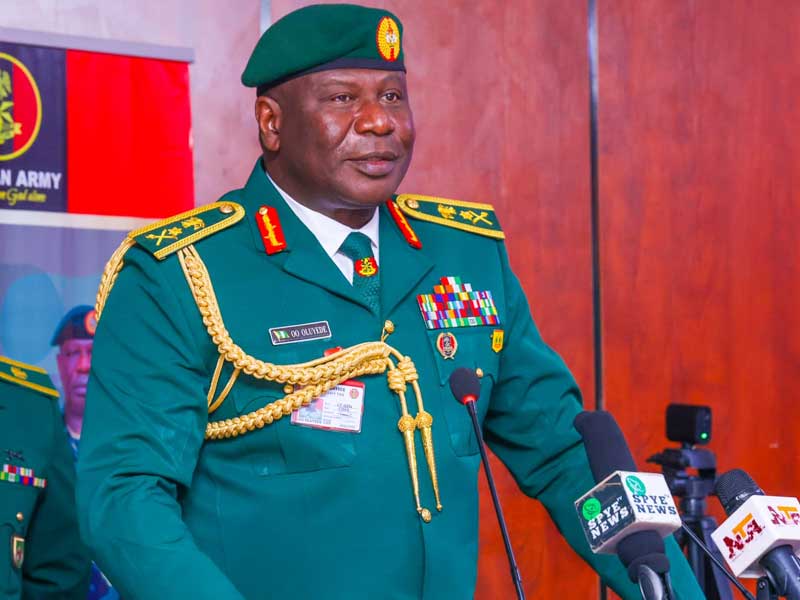
He acknowledged growing public criticism of the programme, which focuses on rehabilitating former insurgents instead of executing them.
“Talking about Operation Safe Corridor, so many people have asked that question: why do we need to rehabilitate criminals? They all should be killed because they have killed people. Well, that may make sense,” Oluyede said.
The defence chief drew a parallel with the biblical story of the prodigal son, arguing that offering a path for repentance is necessary for long-term peace and stability.
“But even in the Bible, we heard about the prodigal son. If there was not that window for the man to come back, would they have come back?” he asked. “So the point is that these are Nigerians, mostly. And it’s important for us to give them that window to repent, if they want, rather than pushing them to the extreme. To say, okay, ‘It’s either we kill you, or you continue with the adventure.’”
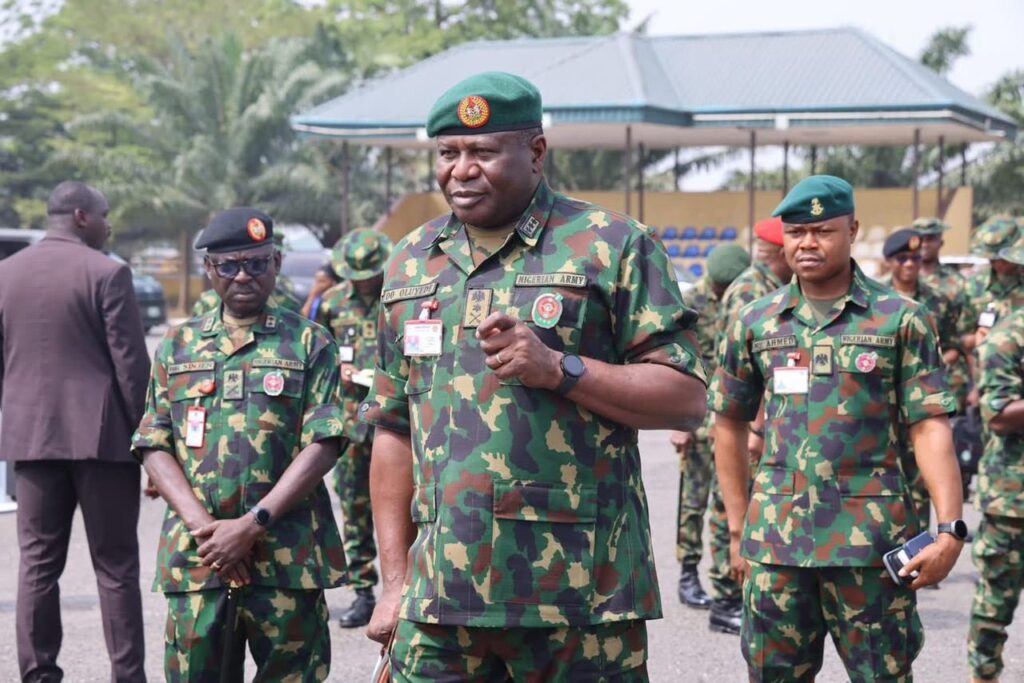
Oluyede stressed that providing such an option could encourage insurgents to abandon violence voluntarily, rather than forcing them into a corner with no alternative but continued conflict.
He further noted that while the initiative is currently managed by the Defence Headquarters, it requires broader legislative backing from the National Assembly of Nigeria to strengthen its implementation.
“I think it is important for us to make people understand, especially the National Assembly, because as we speak now, everything about the safe corridor is being given by the defence headquarters,” he added.
However, his remarks have triggered widespread debate, with many Nigerians expressing outrage on social media over the comparison of insurgents to a biblical figure and questioning the idea of extending mercy to individuals responsible for widespread violence.
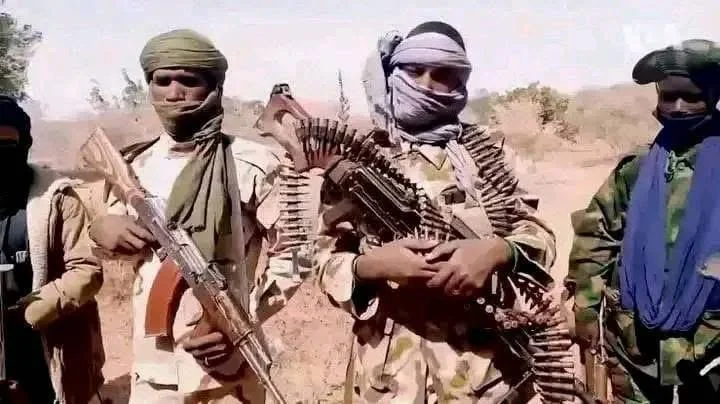
The controversy comes against the backdrop of prolonged insecurity in the region, including recent reports of killings in Borno State and kidnappings in Niger State.
Since the insurgency by Boko Haram began in 2009, the United Nations estimates that over 350,000 people have lost their lives, with children among the most affected. The crisis gained global attention following the 2014 abduction of the Chibok schoolgirls kidnapping.
What you should know
The Chief of Defence Staff has proposed expanding Nigeria’s deradicalisation strategy by encouraging rehabilitation for terrorists willing to surrender.
While the initiative aims to reduce violence and promote reintegration, it has sparked public backlash due to the scale of atrocities committed by insurgents.
The debate highlights the tension between justice and reconciliation in counterterrorism efforts, as Nigeria continues to battle long-standing insurgency in the North-East.