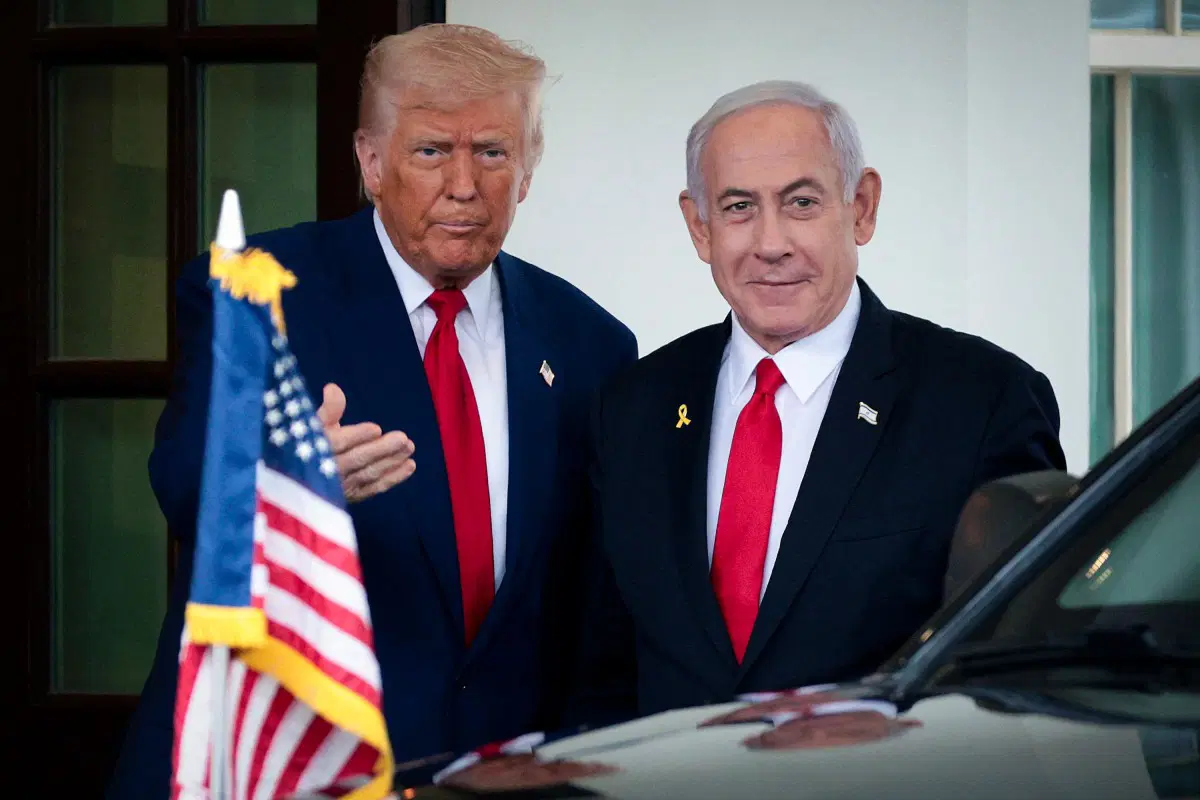
Israel’s Prime Minister Benjamin Netanyahu said on Tuesday that the central focus of his discussions with United States President Donald Trump would be the ongoing negotiations with Iran, as he pushes Washington to adopt a tougher stance on Tehran’s ballistic missile programme.
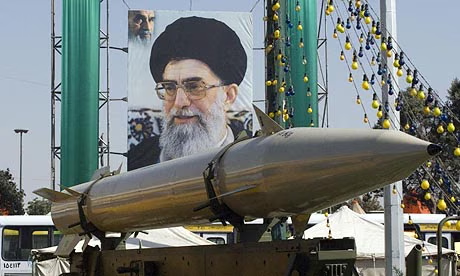
Iran has so far refused to broaden the scope of its talks with the United States beyond its nuclear activities, despite Washington’s insistence that Iran’s missile development and its backing of militant groups across the region should also be addressed.
Netanyahu and Trump are scheduled to meet in Washington on Wednesday, marking their sixth meeting in the United States since Trump returned to office a year ago. The two leaders last met in Jerusalem in October, when Trump announced a ceasefire in Gaza.
The talks come only days after Iran and the United States held discussions in Oman, following which Trump said another round of negotiations would take place.
The meeting is also happening amid growing international anger over Israeli steps to tighten control of the occupied West Bank, including measures allowing settlers to purchase land directly from Palestinian owners. It remains uncertain whether the issue will feature in the talks, despite Trump’s previous opposition to any annexation of the West Bank.
“On this trip we will discuss a range of issues: Gaza, the region, but of course first and foremost the negotiations with Iran,” Netanyahu said in a video message before leaving Israel.
“I will present to the president our views regarding the principles for the negotiations.”
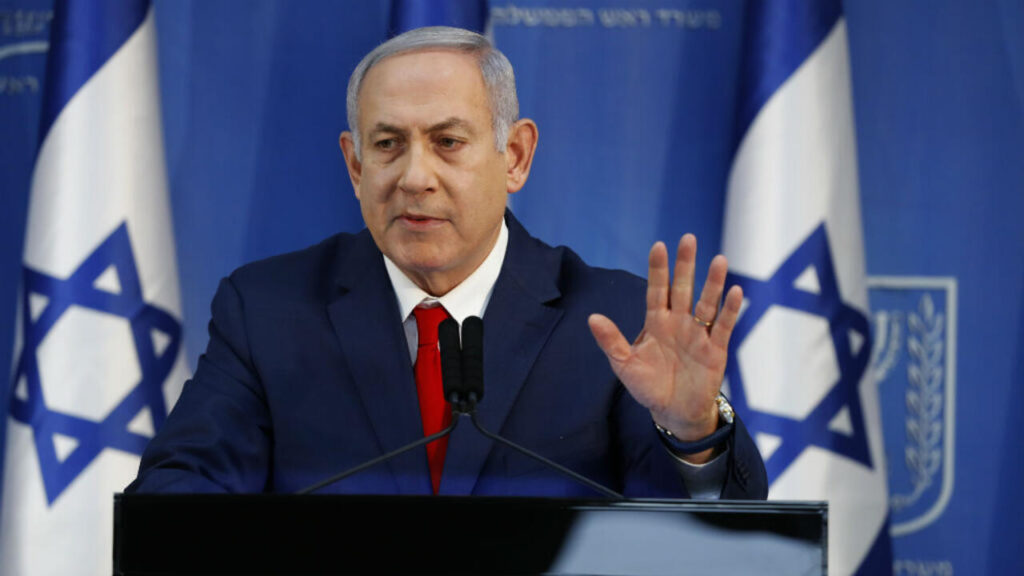
In a statement released over the weekend, Netanyahu’s office said the prime minister would stress Israel’s concerns about Iran’s missile stockpile, not just its nuclear programme.
Iran’s foreign ministry spokesperson warned on Tuesday that Netanyahu’s visit would have a “destructive” effect on diplomacy and would be “detrimental to the region”.
Tensions between Israel and Iran escalated dramatically during an unprecedented conflict between the two adversaries in June last year. Since then, Israeli officials have repeatedly argued that Iran’s missile capabilities pose a serious and immediate threat, separate from the nuclear issue.
Israeli authorities say Iran could strike Israel with minimal warning and potentially overwhelm its air-defence systems during a prolonged confrontation.
During the June conflict, Iran fired successive waves of ballistic missiles and other projectiles into Israeli territory, hitting both military and civilian targets. Some of the strikes landed in heavily populated areas and “caused severe damage,” according to Danny Citrinowicz, an Iran specialist at Israel’s Institute for National Security Studies.
“I don’t think it’s like existential threat, but definitely it’s a major threat on the Israeli home front,” he said.
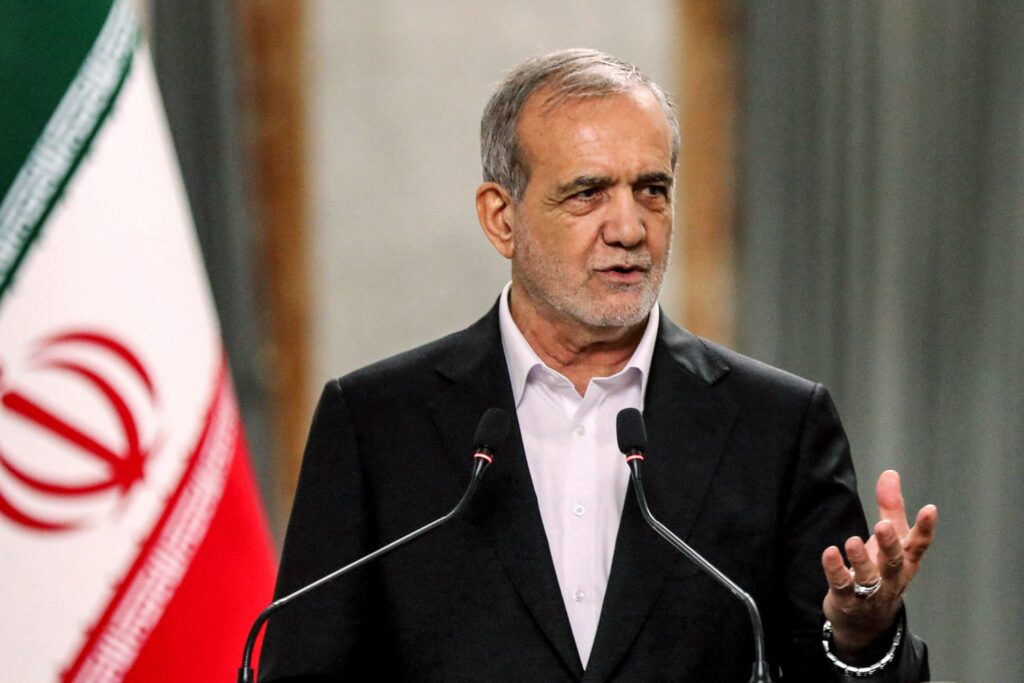
Analysts suggest Netanyahu remains deeply uneasy about any agreement with Tehran. Guy Ziv, an associate professor of foreign policy and global security at American University in Washington, said Netanyahu fears Trump may be less inclined toward military action against Iran than Israel would prefer.
“He’s concerned that President Trump is not quite as enthusiastic about a military attack on the Iranians as Netanyahu wishes were the case,” Ziv said.
“He wants to first convince President Trump that Iran’s ballistic missiles, which he sees as a major threat to Israel, must be included in any agreement over Iran’s nuclear programme,” he added. “He wants to make sure that… Trump sees that as a red line as well.”
The 12-day conflict in June was sparked by Israeli strikes on Iranian military and nuclear sites, as well as residential areas. The United States later joined the campaign, hitting three Iranian nuclear facilities, before a Trump-brokered ceasefire took effect.
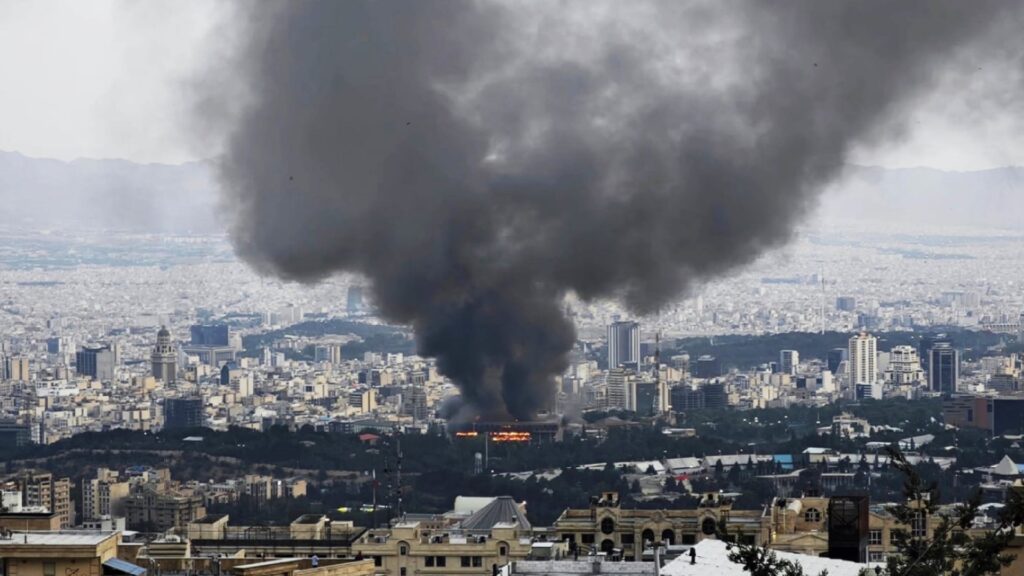
In Israel, the fighting left 30 people dead and caused widespread destruction, including damage to a hospital and several public buildings.
In October 2024, Iran launched around 200 missiles at Israel in response to the killing of senior Hamas and Hezbollah figures. Earlier, in April 2024, Iran carried out its first-ever direct drone and missile attack on Israel during the Gaza war, retaliating for a deadly strike on its consulate in Damascus that Tehran blamed on Israel.
What you should know
The renewed focus on Iran highlights how fragile regional stability remains in the Middle East.
While the United States is prioritising negotiations to curb Iran’s nuclear ambitions, Israel is pushing for a broader deal that also limits Tehran’s missile capabilities, which it sees as an immediate threat. Netanyahu’s concerns reflect fears in Israel that diplomacy could leave key security risks unresolved.
Iran, meanwhile, views any attempt to expand talks as an effort to weaken its defensive capacity. The outcome of these discussions could shape security dynamics in the region ahead of future confrontations.