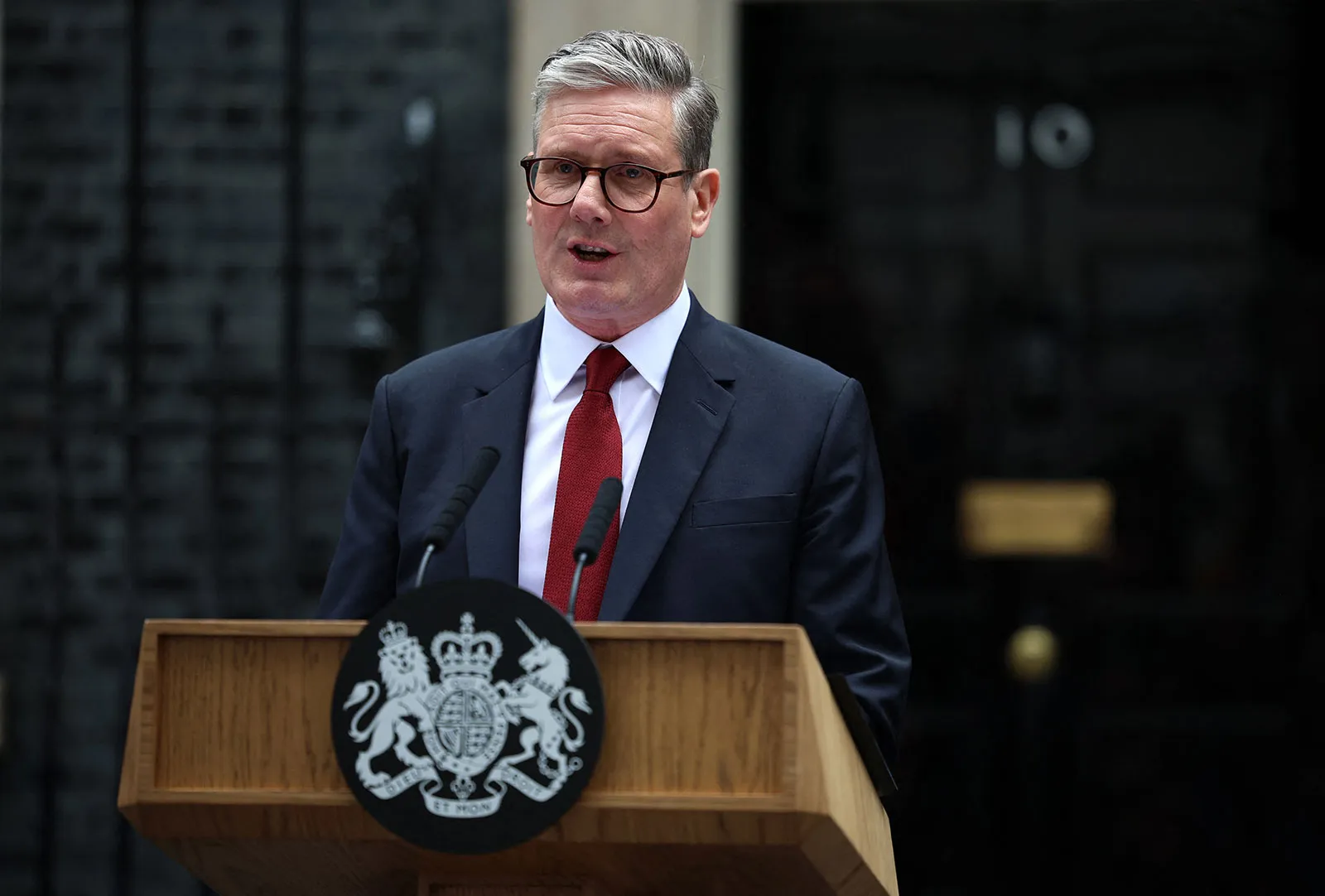
Prime Minister Keir Starmer on Monday pledged to remain in office despite mounting political pressure, as another senior aide resigned and he prepared to face angry lawmakers over his government’s entanglement in the Jeffrey Epstein scandal.
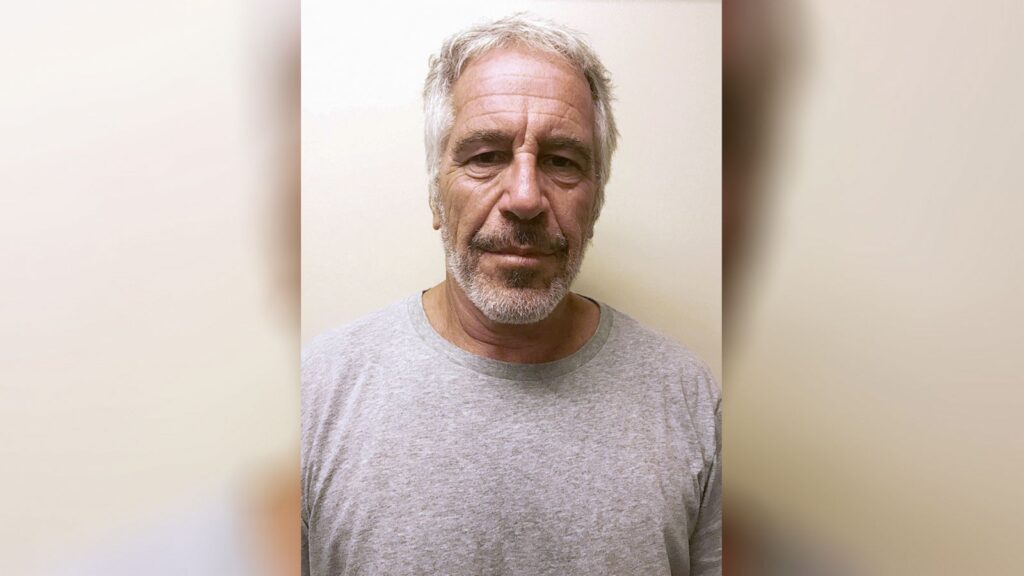
Starmer is working urgently to stabilise his leadership following growing calls for his resignation over the controversial appointment of Peter Mandelson as Britain’s ambassador to the United States, despite prior knowledge that Mandelson had continued ties with Epstein after the disgraced financier’s 2008 conviction.
Speaking to staff at Downing Street, the embattled prime minister promised to press ahead with his agenda, vowing to “go forward… with confidence as we continue changing the country”, according to a government official who spoke anonymously.
“The prime minister is concentrating on the job in hand,” his official spokesperson told reporters, adding that Starmer remained “upbeat” even as dissatisfaction within Parliament intensified and speculation swirled about his political future.
The pressure deepened on Monday with the resignation of Starmer’s communications chief, Tim Allan, just months after taking up the role. His departure followed that of chief of staff Morgan McSweeney, who stepped down a day earlier after advising Starmer to proceed with Mandelson’s appointment.
McSweeney’s exit represents a major blow for Starmer, depriving him of his closest strategist and the key figure credited with steering Labour back towards the political centre after Starmer succeeded Jeremy Corbyn as party leader in 2020.
Allan said in a brief statement that his decision was aimed at “to allow a new No.10 team to be built”. Starmer’s administration has already seen multiple changes in communications leadership, alongside policy reversals and operational errors that have increasingly defined his troubled premiership and weighed on his approval ratings.
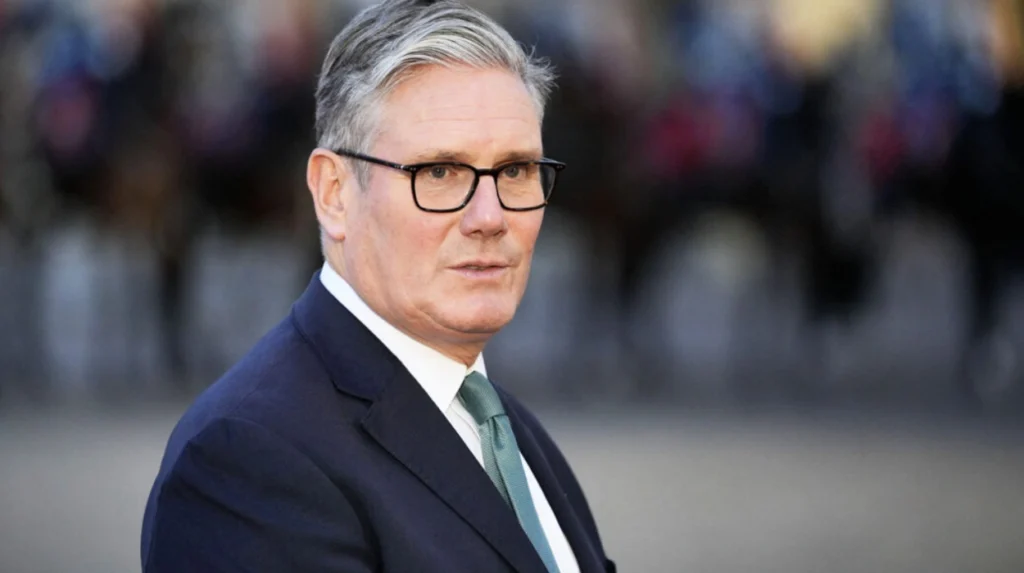
The prime minister was expected to address Labour MPs later on Monday in what party insiders described as a decisive meeting.
“Advisers advise, leaders decide. He made a bad decision, he should take responsibility for that,” Conservative leader Kemi Badenoch told BBC radio, branding Starmer’s situation “untenable”.
The controversy surrounding Mandelson has become the most serious challenge of Starmer’s time in office. It was reignited by emails indicating Mandelson remained close to Epstein long after his conviction, fuelling outrage within and beyond Westminster.
Several Labour backbenchers, particularly from the party’s left wing, have openly suggested that Starmer should resign, echoing McSweeney’s departure. British media outlets have also quoted unnamed senior ministers predicting that the prime minister may soon step aside.
However, prominent figures within the party have rallied behind Starmer, arguing that no obvious successor has emerged and warning against leadership turmoil ahead of crucial local elections scheduled for May. Cabinet minister Pat McFadden said he expected Starmer to still be prime minister next year, stressing that he holds a five-year mandate.
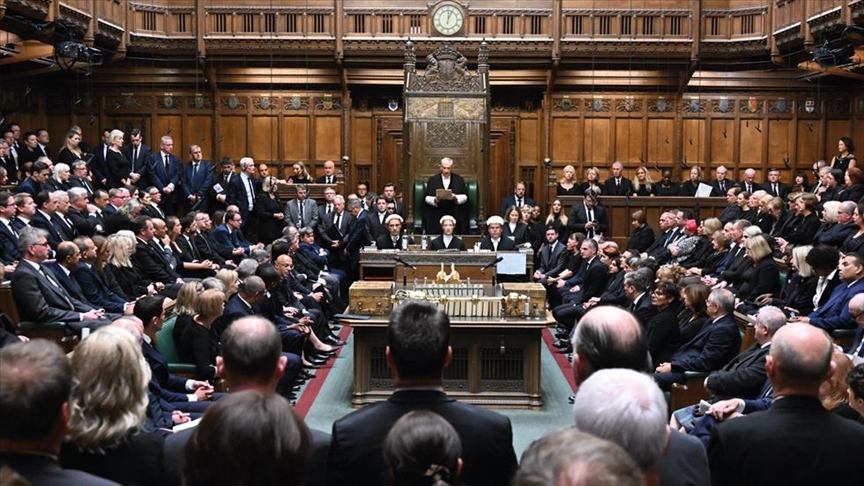
Labour has consistently lagged behind Nigel Farage’s hard-right Reform UK party in opinion polls for more than a year, heightening anxiety among MPs, even though the next general election is not due until 2029.
Starmer dismissed Mandelson from his ambassadorial role in September last year after US congressional documents exposed the depth of his relationship with Epstein, who died by suicide in prison in 2019 while awaiting trial on sex trafficking charges.
Fresh documents released by the US government on January 30 further inflamed the scandal, suggesting Mandelson shared confidential UK government information with Epstein during his time as a minister, including during the 2008 financial crisis.
British police are now investigating the 72-year-old for misconduct in public office and carried out raids on two of his properties on Friday, though no arrest has been made.
Starmer, a former human rights lawyer and director of public prosecutions, has apologised to Epstein’s victims and accused Mandelson of misleading officials during the vetting process for his Washington posting.

The government is preparing to release tens of thousands of emails, messages and documents related to Mandelson’s appointment, a move that could further intensify scrutiny of Starmer and senior Labour figures. The prime minister also faces a pivotal by-election on February 28, with defeat likely to compound his difficulties.
Patrick Diamond, a former adviser at Downing Street, told AFP that Starmer’s leadership “is not terminal”, but warned that he must “re-discover a sense of purpose for his administration”.
What you should know
Keir Starmer’s leadership is under severe strain as the Epstein-linked Mandelson controversy exposes weaknesses in Labour’s vetting process and internal cohesion.
The resignation of key aides has amplified perceptions of instability at the heart of government, while poor polling and looming elections add to the pressure.
Although Starmer insists he will stay on, the release of official documents and ongoing police investigations could shape his political survival in the coming weeks, making this one of the most critical moments of his premiership.