European military personnel were set to begin arriving in Greenland on Thursday, coming shortly after talks in Washington between officials from the United States, Denmark and Greenland ended without resolving what was described as a “fundamental disagreement” over the strategically important and resource-rich Arctic territory.
United States President Donald Trump has on several occasions insisted that Washington should take control of Greenland, an autonomous territory under Danish sovereignty, maintaining that the island is crucial to American national security interests.
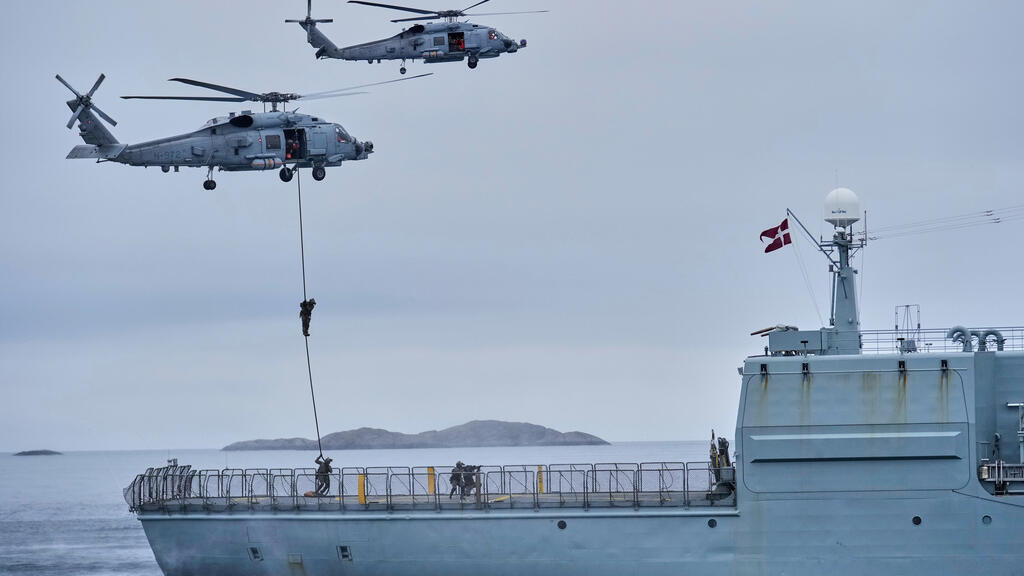
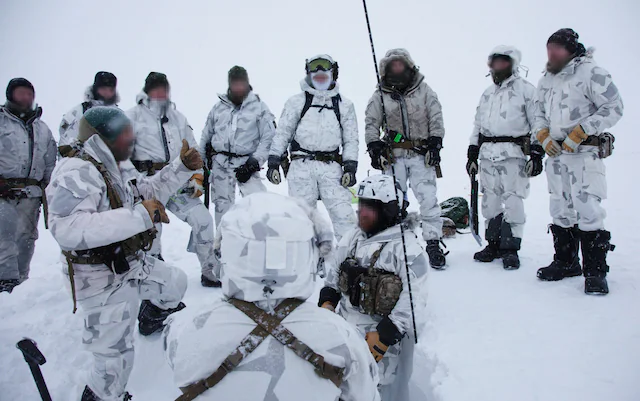
On Wednesday, France, Sweden, Germany and Norway confirmed plans to deploy military personnel to Greenland as part of a reconnaissance operation focused on the capital, Nuuk.
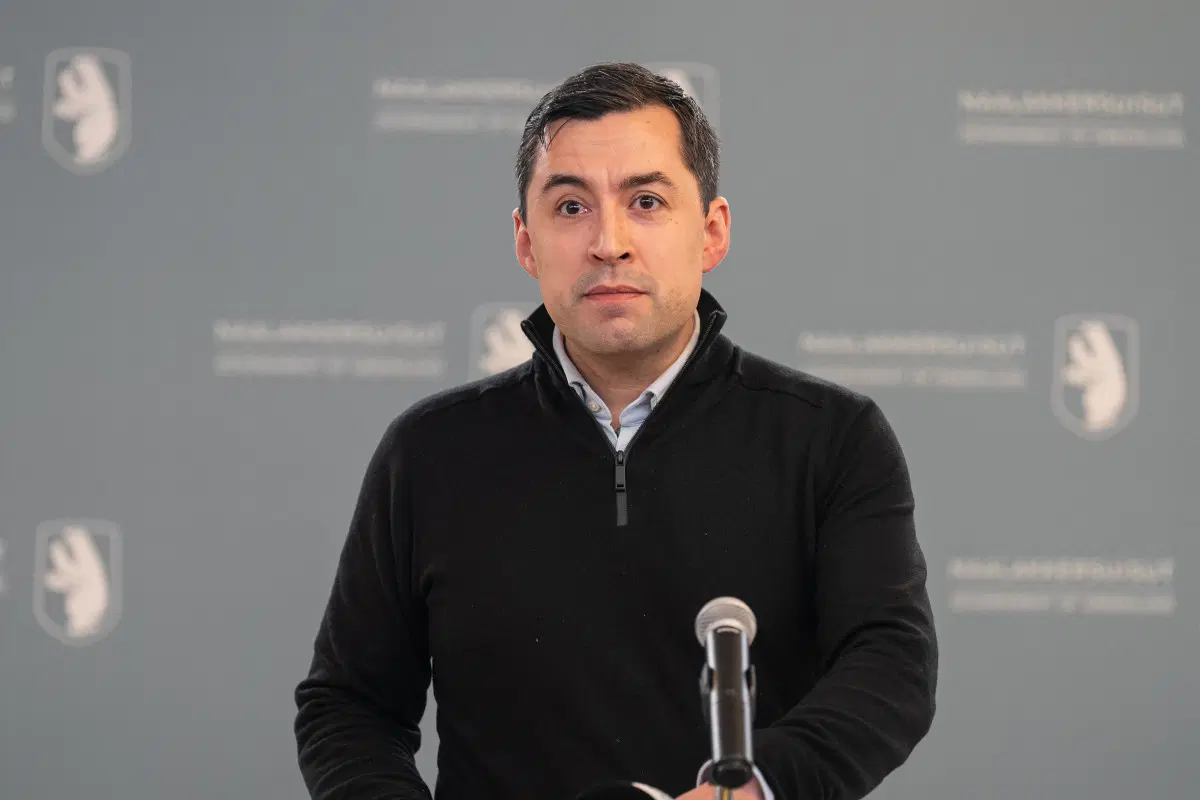
“Soldiers of NATO are expected to be more present in Greenland from today and in the coming days. It is expected that there will be more military flights and ships,” Greenland’s deputy prime minister, Mute Egede, said during a news conference, explaining that the activities would involve “training.”
French President Emmanuel Macron also confirmed the move, stating on X that “The first French military personnel are already on their way. Others will follow.”
Germany’s defence ministry said a 13-member Bundeswehr reconnaissance unit would be deployed to Nuuk at Denmark’s request, with the mission scheduled to run from Thursday through Sunday.
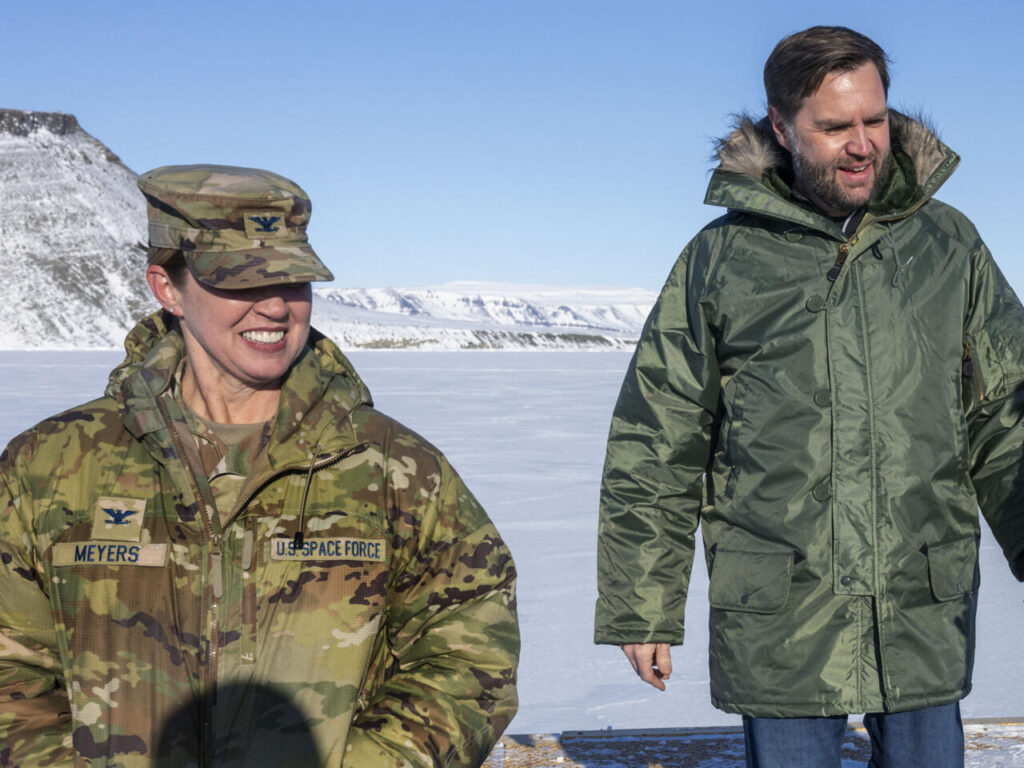
The announcement coincided with a meeting in Washington between the foreign ministers of Denmark and Greenland and US Vice President JD Vance, alongside Secretary of State Marco Rubio.
After leaving the White House, Danish Foreign Minister Lars Lokke Rasmussen said a United States takeover of Greenland was “absolutely not necessary.”
“We didn’t manage to change the American position. It’s clear that the president has this wish of conquering over Greenland,” Lokke told reporters.
“We therefore still have a fundamental disagreement, but we also agree to disagree.”
President Trump, who did not attend the meeting himself, later struck a more conciliatory tone than usual, acknowledging Denmark’s interests while still refusing to rule out any course of action.

“I have a very good relationship with Denmark, and we’ll see how it all works out. I think something will work out,” Trump said, without offering details.
He again argued that Denmark would be unable to prevent Russia or China from moving into Greenland if they chose to do so but added, “There’s everything we can do.”
Trump’s assertive stance on Greenland has appeared stronger since he authorised a deadly January 3 operation in Venezuela that led to the removal of President Nicolás Maduro.
In Nuuk, Greenlandic red and white flags were widely displayed in shop windows, on balconies and across vehicles, reflecting a visible show of national unity in recent days.
However, some residents said the sudden global attention had created unease.
“It’s very frightening because it’s such a big thing,” said Vera Stidsen, a 51-year-old teacher in Nuuk.
“I hope that in the future we can continue to live as we have until now: in peace and without being disturbed,” she told AFP.
What you should know
Greenland has become a focal point of growing geopolitical tension due to its strategic Arctic location and vast mineral resources.
While Denmark maintains sovereignty, Greenland governs its internal affairs and strongly resists external control. The arrival of European military personnel reflects heightened NATO interest in the region amid concerns about US ambitions and potential Russian or Chinese influence.
Despite diplomatic talks, fundamental differences remain unresolved, leaving Greenland caught between major global powers while its residents express concern over their future stability and autonomy.