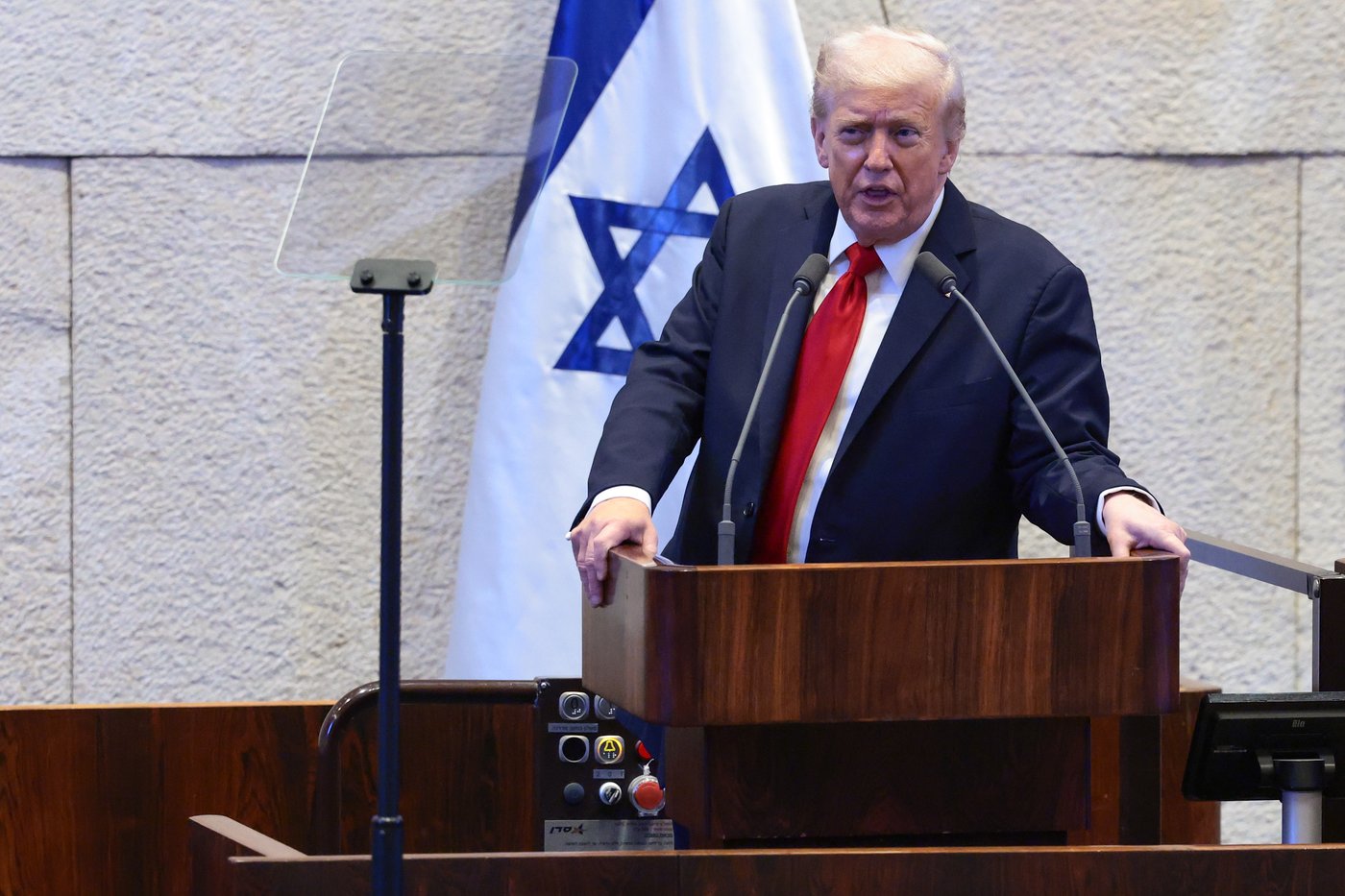
US President Donald Trump on Sunday insisted that the ceasefire in Gaza remains intact, even after Israel launched a series of deadly airstrikes on the territory in response to alleged violations by Hamas.
Israel said it carried out dozens of strikes on Hamas positions in southern Gaza after accusing the militant group of targeting its troops in “a blatant violation” of the nine-day truce.
When asked by reporters if the ceasefire was still in effect, Trump replied, “Yeah, it is.” The US president, who played a key role in brokering the truce, downplayed the incident, suggesting that the attacks were not directed by Hamas leadership but by “some rebels within.”
“We want to make sure that it’s going to be very peaceful with Hamas,” Trump said. “It’s going to be handled toughly, but properly.”
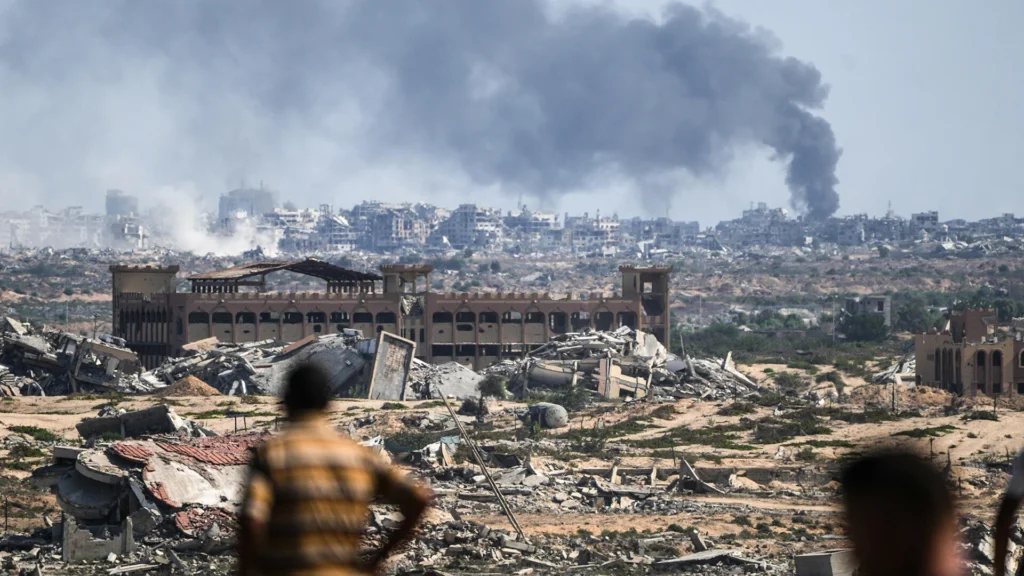
Gaza’s civil defence agency, which operates under Hamas authority, reported that the strikes killed at least 45 people across the enclave. Four hospitals in Gaza confirmed the death toll to AFP, saying they had received both the dead and wounded.
Israel’s military said it was verifying reports of casualties. However, restrictions on media access in Gaza mean AFP could not independently confirm the numbers.
The Israeli army announced it had “renewed enforcement of the ceasefire” while warning it would “respond firmly to any violation of it.” Hamas, however, denied Israel’s claims, accusing it of fabricating “pretexts” to resume the war.

A security official told AFP that Israel had temporarily halted aid entry into Gaza, citing breaches of the truce. The UN has repeatedly warned that Israel’s restrictions on aid have worsened Gaza’s humanitarian crisis, creating famine-like conditions.
The ceasefire, which began on October 10, paused over two years of devastating conflict between Israel and Hamas. The deal outlined the exchange of hostages and prisoners and proposed a roadmap for Gaza’s recovery—but its implementation has faced severe challenges.
Israel confirmed that two of its soldiers were killed in Rafah following attacks by what it called “terrorists.” In response, Israeli forces launched air and artillery strikes on the city. Witnesses in Rafah said clashes erupted in an area still under Israeli control, while others described scenes of chaos and bloodshed.
Abdullah Abu Hasanin, 29, from Al-Bureij camp in central Gaza, said the situation felt as though “the war has returned anew.” He added, “We had hoped the agreement would hold, but the occupation respects nothing—not an agreement, not anything.”
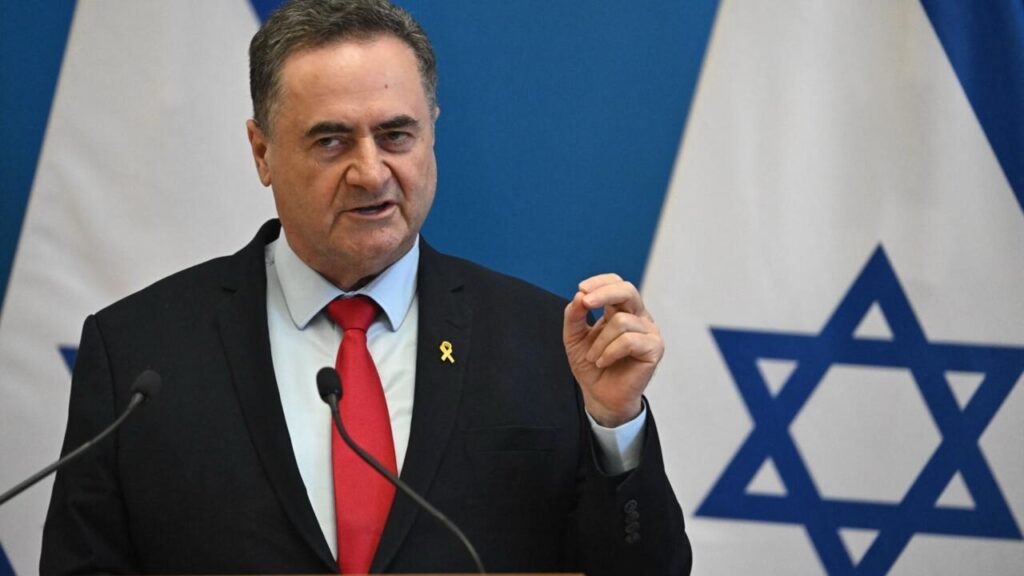
Defence Minister Israel Katz warned Hamas would “pay a heavy price for every shot and every breach of the ceasefire.” In contrast, Hamas’s political bureau member Izzat Al-Rishq reaffirmed the group’s commitment to the truce, accusing Israel of “fabricating flimsy pretexts to justify its crimes.”
Meanwhile, US Vice President JD Vance urged Gulf Arab states to form a “security infrastructure” to ensure Hamas disarms—a key part of Trump’s 20-point peace plan. Under the agreement, Israeli forces have pulled back beyond the so-called Yellow Line, maintaining control of roughly half of Gaza, including its borders.
Hamas has released 20 surviving hostages and continues to recover bodies of the deceased for return to Israel. On Sunday, Israel handed over 15 bodies to Gaza, bringing the total to 150.
The war, which began after Hamas’s October 7, 2023 attack on Israel, has claimed at least 68,159 lives in Gaza, according to the Hamas-run health ministry—figures the UN considers credible. More than half of the victims are women and children. Hamas’s assault on Israel killed 1,221 people, mostly civilians.
What You Should Know
President Trump’s assertion that the Gaza ceasefire remains in place contrasts sharply with the rising death toll and renewed hostilities.
While both Israel and Hamas claim to uphold the truce, Sunday’s strikes expose the fragile nature of the peace agreement — and the deep mistrust threatening to unravel it.