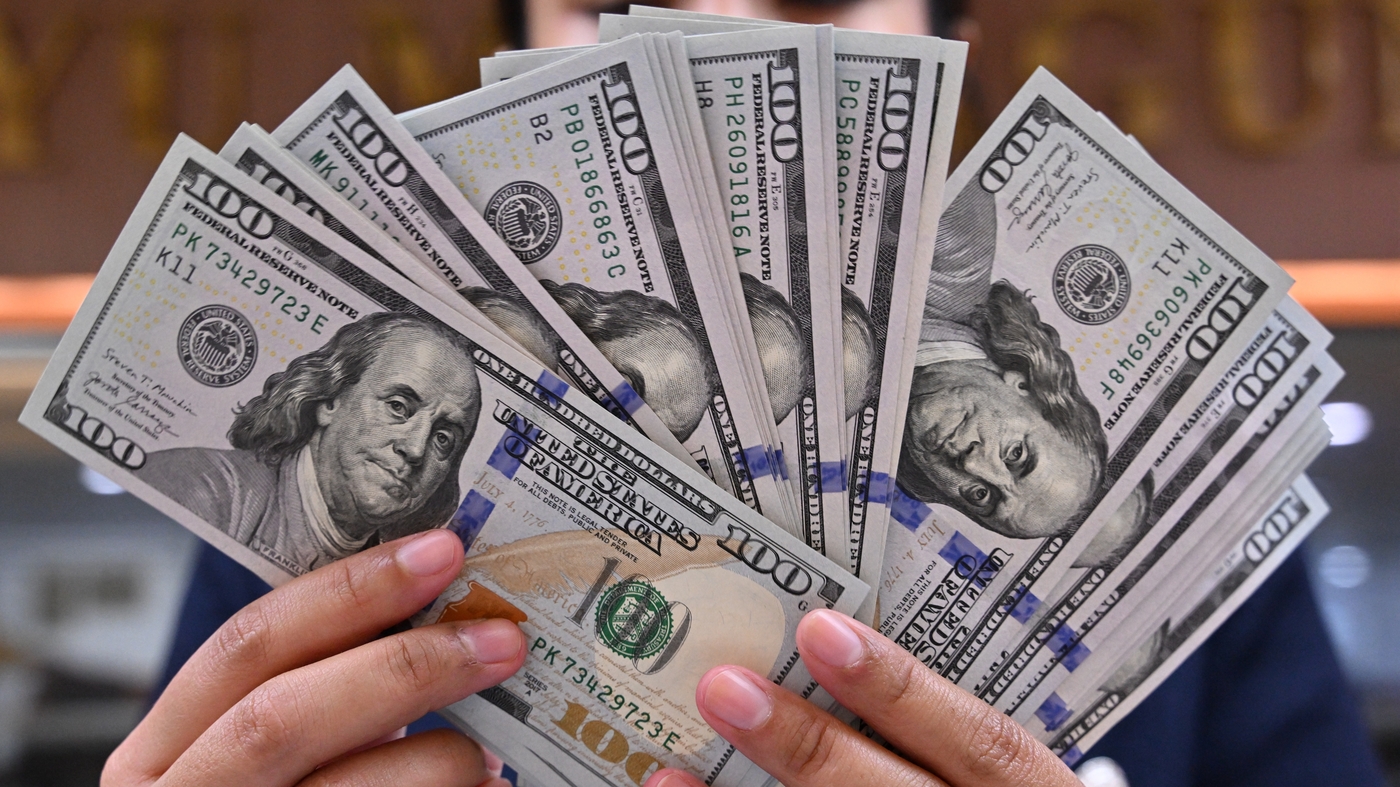
The U.S. dollar posted modest gains against the Japanese yen while slipping marginally versus the euro on Monday, as currency markets navigated a complex landscape of political developments across major economies and persistent anxieties over American creditworthiness.
The greenback’s uneven performance reflected investor uncertainty as they weighed competing forces: political transitions in Tokyo and Paris alongside ongoing concerns about the health of U.S. financial institutions that have cast a shadow over market sentiment in recent weeks.
Japan Braces for Historic Leadership Change
The yen came under pressure as markets digested the likely ascension of Sanae Takaichi to Japan’s premiership, a development that would mark a historic first for the world’s third-largest economy. Following what sources describe as a decisive parliamentary vote scheduled for Tuesday, the hardline conservative is expected to lead a new coalition government with the right-wing Japan Innovation Party.
Currency traders are expressing growing unease over the fiscal implications of this political realignment. Market watchers anticipate that the new administration could pursue expansionary budgetary policies that would potentially undermine the yen’s value.
“Market participants will now be watching closely to see what fiscal plans are put together by the new coalition government,” explained Lee Hardman, senior currency economist at MUFG. He noted that the Japan Innovation Party’s fiscal blueprint has been characterized as “moderately expansionary,” suggesting increased government spending could be on the horizon.
The dollar advanced 0.1% to 150.75 yen by Monday’s close, after touching a session high of 151.20 earlier in the day.
The prospect of looser fiscal policy sent Japanese equities soaring, with the benchmark Nikkei 225 index surging more than 3% to record an all-time peak. Investors appear to be anticipating that increased government expenditure could provide a boost to corporate earnings and economic growth.
However, some countervailing forces are at work within Japan’s financial establishment. Bank of Japan board member Hajime Takata, who dissented from the central bank’s September decision to maintain steady interest rates, reiterated his call for resuming rate hikes on Monday. His hawkish stance provided modest support for the Japanese currency.
The BOJ’s next monetary policy decision on October 30 looms large on traders’ calendars, though market pricing suggests limited expectations for immediate action. According to LSEG data, market-implied odds of a quarter-point rate increase stand at just 23%.
Euro Gains Ground as French Political Waters Calm Slightly
The single currency edged higher against the dollar, rising 0.1% to $1.1664, as political tensions in France showed signs of easing. Yet analysts caution that investor wariness remains firmly entrenched.
The French government’s decision to freeze pension reform has offered temporary political relief, but the move simultaneously complicates already delicate budget negotiations. Markets remain reluctant to fully dismiss the risk premium associated with France’s political and fiscal challenges.
“This week the focus should stay on the U.S., and a further souring of credit sentiment could send the euro on a path to $1.180,” said Francesco Pesole, a foreign exchange strategist at ING, suggesting that deteriorating confidence in American financial stability could paradoxically benefit the European currency.
Credit Concerns Continue to Simmer
Underlying Monday’s currency movements were persistent anxieties about U.S. credit risks that have weighed on broader market sentiment. Wall Street futures offered some encouragement, climbing 0.34% as investors drew comfort from Friday’s positive session.
Major U.S. equity indexes closed higher at the end of last week following reassuring comments from President Donald Trump regarding relations with China, while better-than-expected quarterly results from regional banks helped alleviate some concerns over the stability of the American financial sector.
China Data Lifts Antipodean Currencies
The Australian dollar notched gains of 0.3% to $0.6504, buoyed by encouraging economic data from Australia’s largest trading partner. China released third-quarter GDP figures showing 1.1% quarterly growth that exceeded analyst forecasts, while industrial output surged 6.5%, also beating expectations.
Though China’s 4.8% annual growth rate represented the weakest pace in a year, the figures suggest the world’s second-largest economy remains on track to achieve its official target of approximately 5% growth for the year, demonstrating resilience in the face of U.S. tariffs.
China’s yuan traded largely flat in offshore markets at 7.1235 per dollar.
Kyle Rodda, a markets analyst at Capital.com, suggested that both Washington and Beijing recognize the mutual economic devastation that would result from extreme trade measures. “There’s an element—to use the Cold War language—of mutually assured destruction when it comes to total rare earth export curbs and 100% tariff rates, with both the U.S. and Chinese more or less acknowledging that,” Rodda observed.
“As a result, the markets are pricing in that things will de-escalate,” he added. “However, the markets are likely to remain jittery until such backdowns are explicitly announced.”
As the trading week unfolds, currency markets face a delicate balancing act between political developments across three major economic regions and the ongoing assessment of credit risks emanating from the United States, with any significant shift in these dynamics likely to trigger fresh volatility across global foreign exchange markets.
WHAT YOU SHOULD KNOW
Currency markets are caught in a three-way tug-of-war: the dollar’s mixed performance reflects investors juggling Japan’s likely shift toward expansionary fiscal policy under incoming Prime Minister Sanae Takaichi (weakening the yen), easing but unresolved political tensions in France (supporting the euro), and persistent concerns about U.S. credit health.
While better-than-expected Chinese economic data and softening U.S.-China trade rhetoric provided some relief, markets remain on edge until clearer signals emerge on all three fronts. The bottom line: political uncertainty across major economies is temporarily overshadowing, but not erasing, worries about American financial stability.