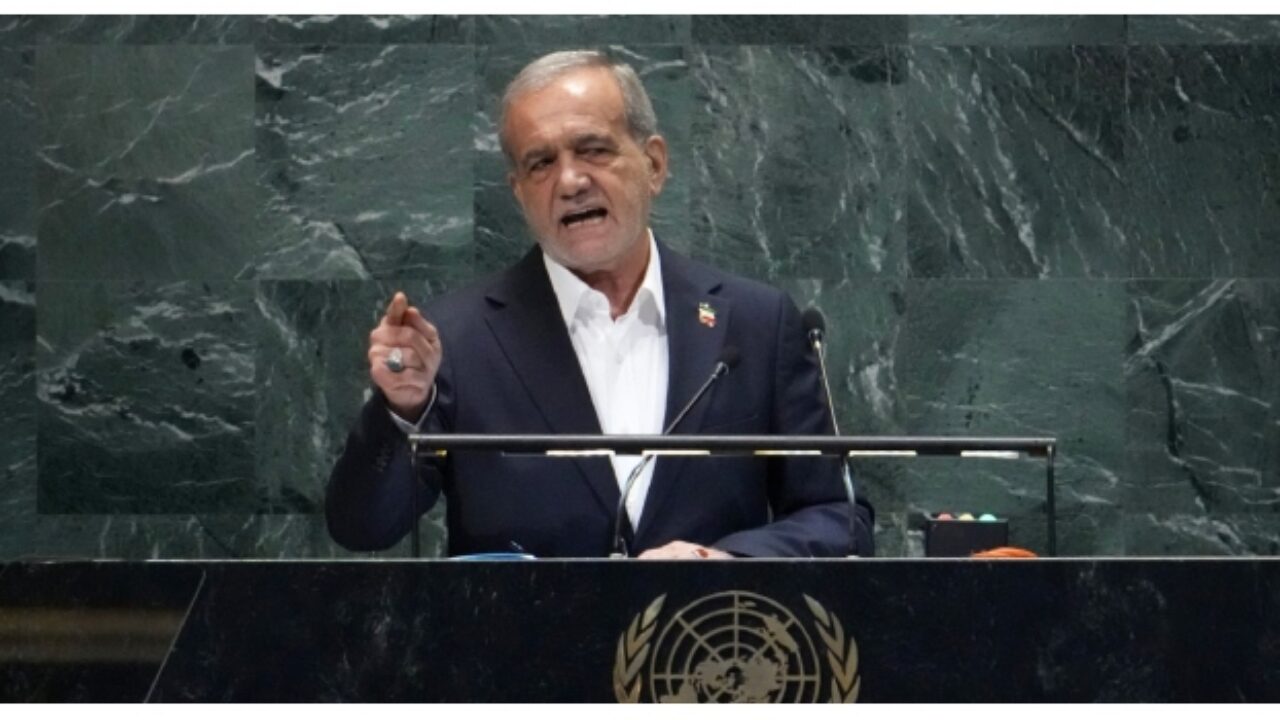
Iran on Sunday denounced the reinstatement of United Nations sanctions on its nuclear programme, calling the move “unjustifiable” after the breakdown of talks with Western powers and strikes by Israel and the United States on Iranian nuclear sites.
The measures, targeting dealings related to Tehran’s nuclear and ballistic missile activities, came into force overnight after Western nations triggered the “snapback” mechanism under the 2015 nuclear accord.
“The reactivation of annulled resolutions is legally baseless and unjustifiable… all countries must refrain from recognising this illegal situation,” Iran’s foreign ministry said in a statement. It warned that Tehran would “firmly defend” its national rights against actions undermining its interests.
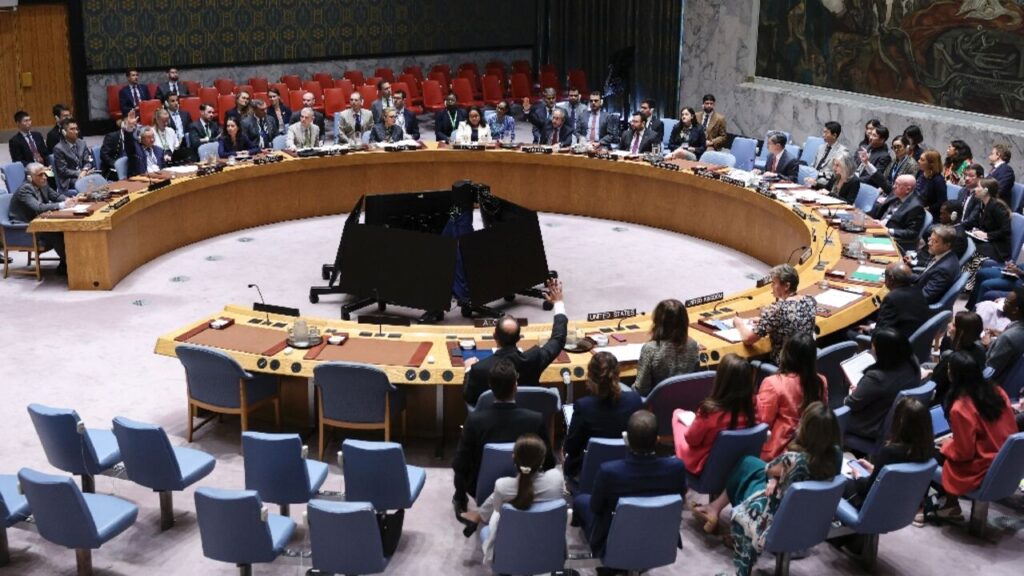
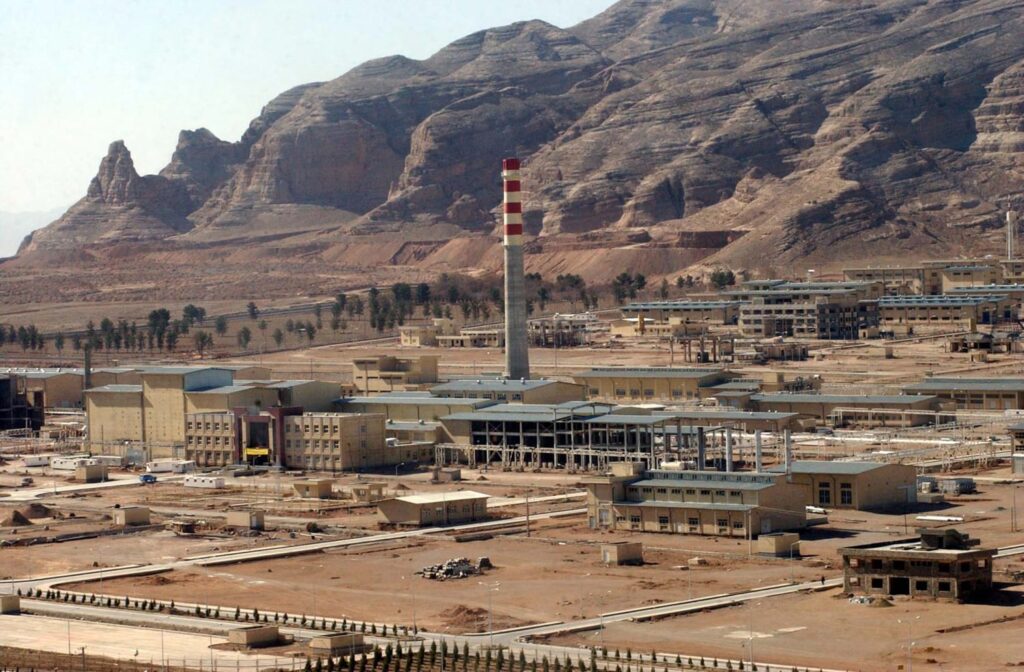
The return of sanctions marked the collapse of months of tense diplomacy to revive nuclear talks that derailed in June, following Israeli and US strikes on Iran’s nuclear facilities.
Despite the move, Western leaders signalled that negotiations remained possible. US Secretary of State Marco Rubio urged Tehran to “accept direct talks, held in good faith,” while pressing UN members to enforce sanctions to “pressure Iran’s leaders to do what is right.”
Britain, France and Germany issued a joint statement insisting they sought “a new diplomatic solution to ensure Iran never gets a nuclear weapon,” urging Tehran to avoid escalation.
Iranian President Masoud Pezeshkian, however, dismissed a US proposal demanding the surrender of Iran’s enriched uranium stockpile in exchange for a short reprieve from sanctions, calling it unacceptable.
A last-ditch bid by Russia and China to delay the measures until April failed at the UN Security Council on Friday, triggering their enforcement at 3:30 am local time on Sunday. Germany, which joined Britain and France in triggering the snapback, argued it had “no choice” given Iran’s non-compliance.
Moscow rejected the sanctions outright. Russian Foreign Minister Sergei Lavrov accused the West of sabotaging constructive solutions at the UN and seeking to extract “unilateral concessions from Tehran through blackmail and pressure.”
The sanctions restore measures lifted in 2015 when Iran accepted restrictions on its nuclear programme under a landmark deal brokered by then-US President Barack Obama. The United States had already reimposed sweeping sanctions after Donald Trump’s withdrawal from the accord in 2018.
Ordinary Iranians braced for economic fallout. The rial plunged to a record low of around 1.12 million to the dollar on the black market, according to currency-tracking sites. “The current situation was already very difficult, but it’s going to get worse,” said Dariush, a 50-year-old engineer, citing rising prices and falling living standards.
Tehran recalled its ambassadors from Britain, France and Germany in protest.
What you should know
The UN sanctions snapback deepens Iran’s isolation, reviving restrictions lifted under the 2015 nuclear deal.
Western powers accuse Tehran of failing to comply with its obligations, while Iran insists it does not seek nuclear weapons. With diplomacy faltering, the sanctions are set to worsen Iran’s fragile economy and fuel regional tensions.