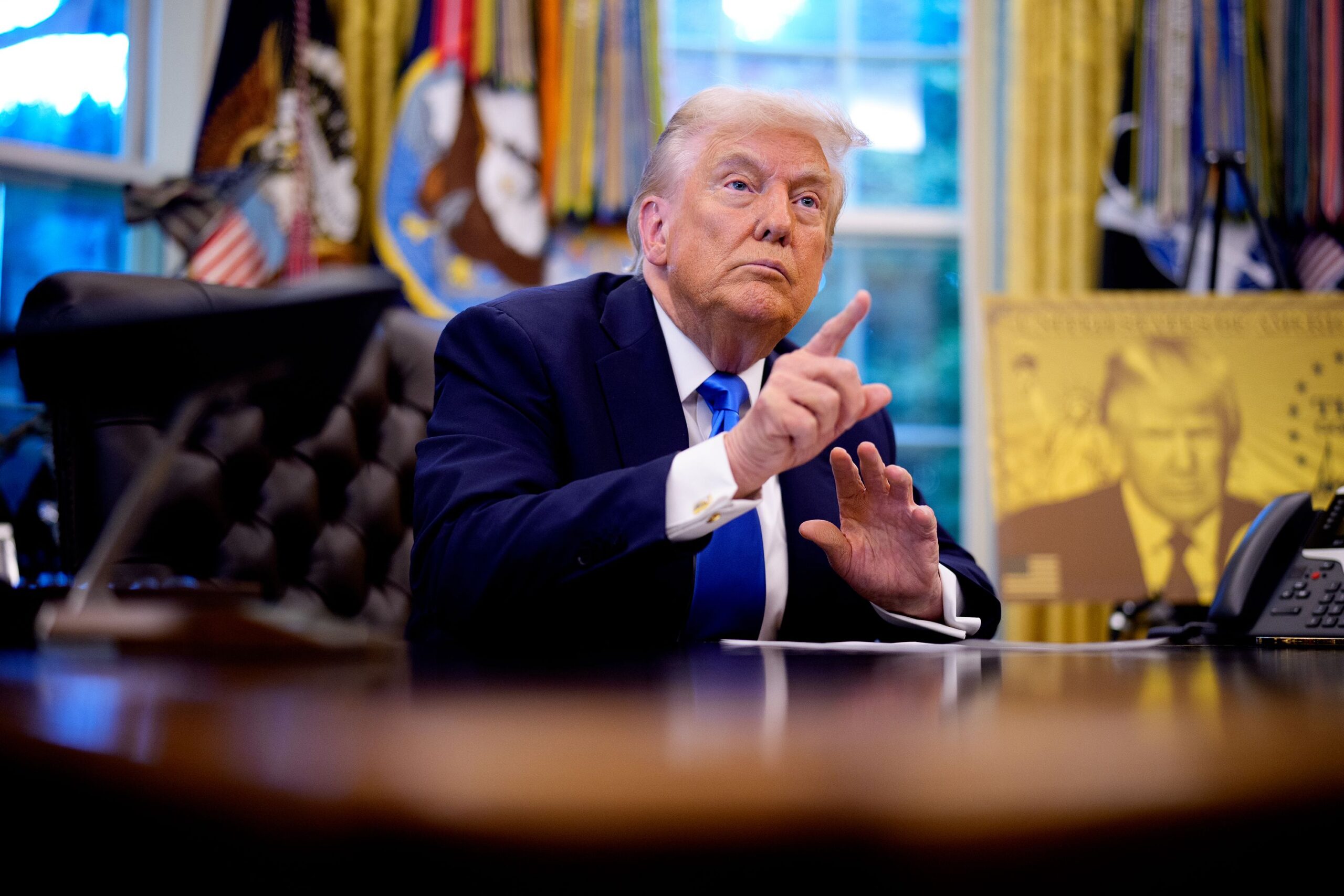
The White House moved on Saturday to clarify its new H-1B visa policy after confusion and alarm swept through the tech industry.
The administration confirmed that the controversial $100,000 fee will be a one-time payment, imposed only on new applicants, not on renewals or current visa holders.
Commerce Secretary Howard Lutnick had initially announced the fee as an annual charge applicable to both new and renewed visas, sparking widespread concern among companies and foreign workers. But White House Press Secretary Karoline Leavitt corrected the record just hours before the policy took effect, stressing, “This is NOT an annual fee. It’s a one-time fee that applies… only to new visas, not renewals, and not current visa holders.”
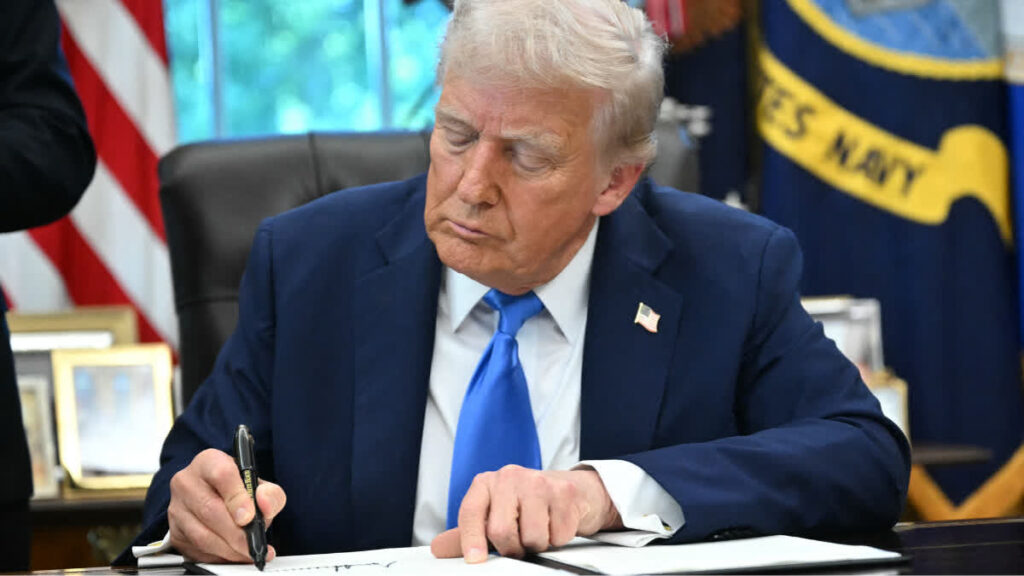
The executive order, signed by President Donald Trump, took effect Sunday at 12:01 a.m. US Eastern time. Before the clarification, firms like JPMorgan urged H-1B workers to avoid international travel over fears of being barred from re-entry. Reports indicated some travelers even de-boarded flights on Friday out of uncertainty.
Leavitt reassured that current visa holders can leave and re-enter the US without penalty. The H-1B program, heavily used by tech companies to fill specialized roles, grants three-year work permits extendable to six years. In 2024, around 400,000 visas were approved, with Indian nationals comprising nearly three-quarters of recipients.
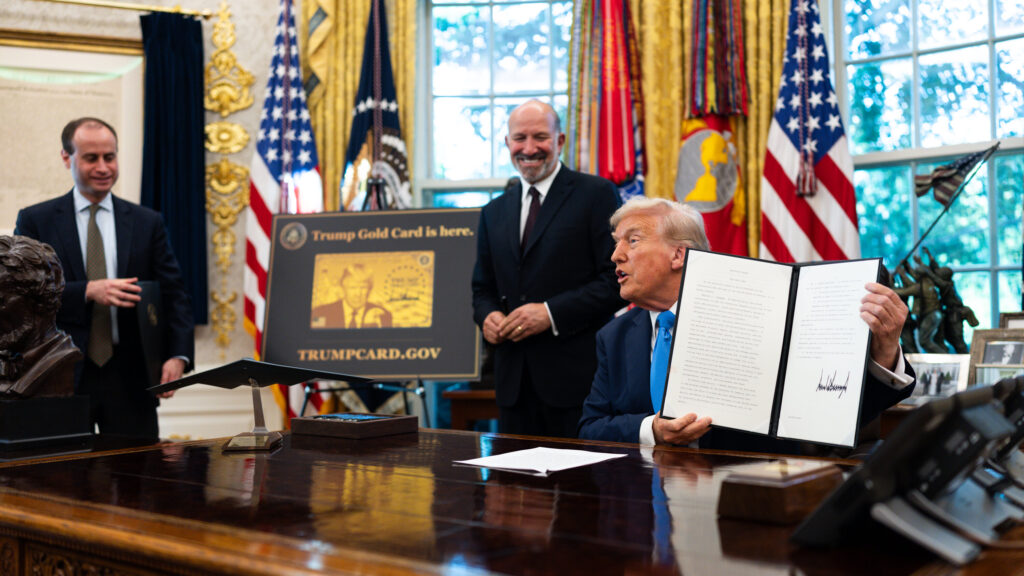
President Trump defended the new policy, arguing that the H-1B program has been “exploited” to replace American workers. He also unveiled a $1 million “gold card” residency program. Lutnick emphasized that companies must now weigh whether foreign hires are worth the steep entry cost.
India’s foreign ministry, meanwhile, raised concerns about humanitarian impacts, particularly disruptions for families, and signaled it would review the changes. Business leaders, including Elon Musk, have warned that the move could deepen a talent gap in the US tech sector.
What you should know
The new H-1B visa rule introduces a one-time $100,000 fee only for new applicants, not renewals. While the White House says it supports American workers, businesses and India have expressed concerns about disruptions, talent shortages, and humanitarian consequences.