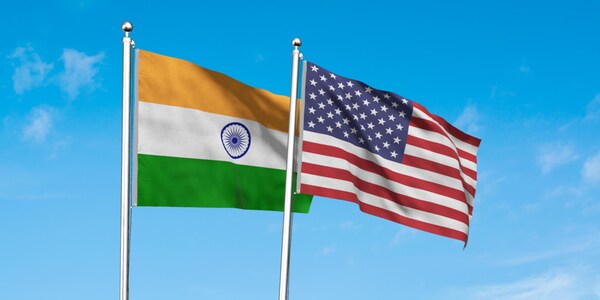
Hopes for an interim trade agreement between India and the United States before the looming August 1 deadline are fading, as negotiations remain mired in disputes over tariff reductions on key agricultural and dairy products, according to two Indian government sources familiar with the talks.
The stalemate threatens to disrupt trade relations between the two nations, with potential economic repercussions for industries on both sides.
In April, U.S. President Donald Trump announced a 26% tariff on Indian imports but temporarily suspended its implementation to allow for negotiations. Unlike over 20 other countries that received formal tariff notices, India has yet to receive an official letter, leaving room for ongoing diplomacy. However, with the August 1 deadline fast approaching, the prospect of a breakthrough appears increasingly unlikely.
India’s trade delegation, led by chief negotiator Rajesh Agrawal, returned from Washington last week after a fifth round of talks yielded no significant progress. “An interim deal before August 1 looks difficult, though virtual discussions are ongoing,” one of the sources said, speaking on condition of anonymity due to the sensitive nature of the negotiations.
The source added that a U.S. delegation is expected to visit New Delhi in the coming weeks to continue discussions, signaling that both sides remain committed to finding a resolution.
Core Issues Stalling Progress
At the heart of the deadlock are India’s politically sensitive agriculture and dairy sectors. New Delhi has resisted U.S. demands for greater market access, citing domestic pressures and the need to protect local farmers and producers. In response, Washington has pushed back against India’s calls for exemptions from higher tariffs on steel, aluminum, and automobiles, creating a complex standoff.
To break the impasse, officials are exploring the possibility of deferring these contentious issues to a later stage, potentially after securing an interim agreement. “We’re trying to find a way to move forward without getting bogged down in these sticking points,” a second Indian official said, also requesting anonymity. However, such a strategy carries risks, as unresolved issues could complicate future negotiations.
Economic Stakes and Industry Concerns
The potential imposition of a 26% tariff on Indian imports could have significant consequences for key sectors. Ajay Sahai, director general of the Federation of Indian Export Organizations, warned that industries such as gems and jewelry, which rely heavily on the U.S. market, could face severe disruptions. “A tariff hike would hit our exporters hard, especially in competitive sectors,” Sahai said. He remained cautiously optimistic, however, noting that “this could be temporary, as both countries aim to sign the deal over time.”
The U.S., for its part, appears focused on securing a high-quality agreement rather than rushing to meet deadlines. U.S. Treasury Secretary Scott Bessent emphasized this approach in a CNBC interview on Monday, stating that the Trump administration prioritizes the substance of trade deals over their timing. When asked whether the August 1 deadline could be extended for countries engaged in negotiations, Bessent deferred to President Trump, saying, “It’s his call.”
Optimism for a Broader Deal
Despite the current deadlock, Indian officials remain hopeful about finalizing a comprehensive trade agreement by September or October, aligning with commitments made by Prime Minister Narendra Modi and President Trump during a February meeting. “Given that there have been five rounds of negotiations and another U.S. delegation is expected, we remain optimistic about finalizing a trade pact,” a third government source said, also speaking anonymously.
The ongoing talks reflect the strategic importance of the India-U.S. trade relationship, which has grown significantly in recent years. Bilateral trade in goods and services reached $194 billion in 2024, making the U.S. one of India’s largest trading partners. A successful agreement could further strengthen economic ties, while failure to reach a deal risks escalating tensions and disrupting supply chains.
Next Steps
As the August 1 deadline approaches, both sides are under pressure to find common ground. The Indian commerce ministry and the U.S. Trade Representative’s Office did not immediately respond to requests for comment, underscoring the delicate nature of the ongoing negotiations. With virtual discussions continuing and a U.S. delegation expected in New Delhi, the coming weeks will be critical in determining whether the two nations can bridge their differences and avoid a costly trade standoff.
For now, businesses and policymakers on both sides are watching closely, aware that the outcome of these talks could shape the future of India-U.S. economic relations for years to come.
WHAT YOU SHOULD KNOW
The prospects for an interim India-U.S. trade deal before the August 1, 2025, deadline are dimming due to unresolved disputes over tariff cuts on agriculture and dairy.
India’s resistance to opening its sensitive agricultural sector and U.S. demands for tariff relief on steel, aluminum, and autos are stalling negotiations, risking a 26% tariff on Indian imports that could hit sectors like gems and jewelry hard, though both sides remain hopeful for a broader deal by September or October.