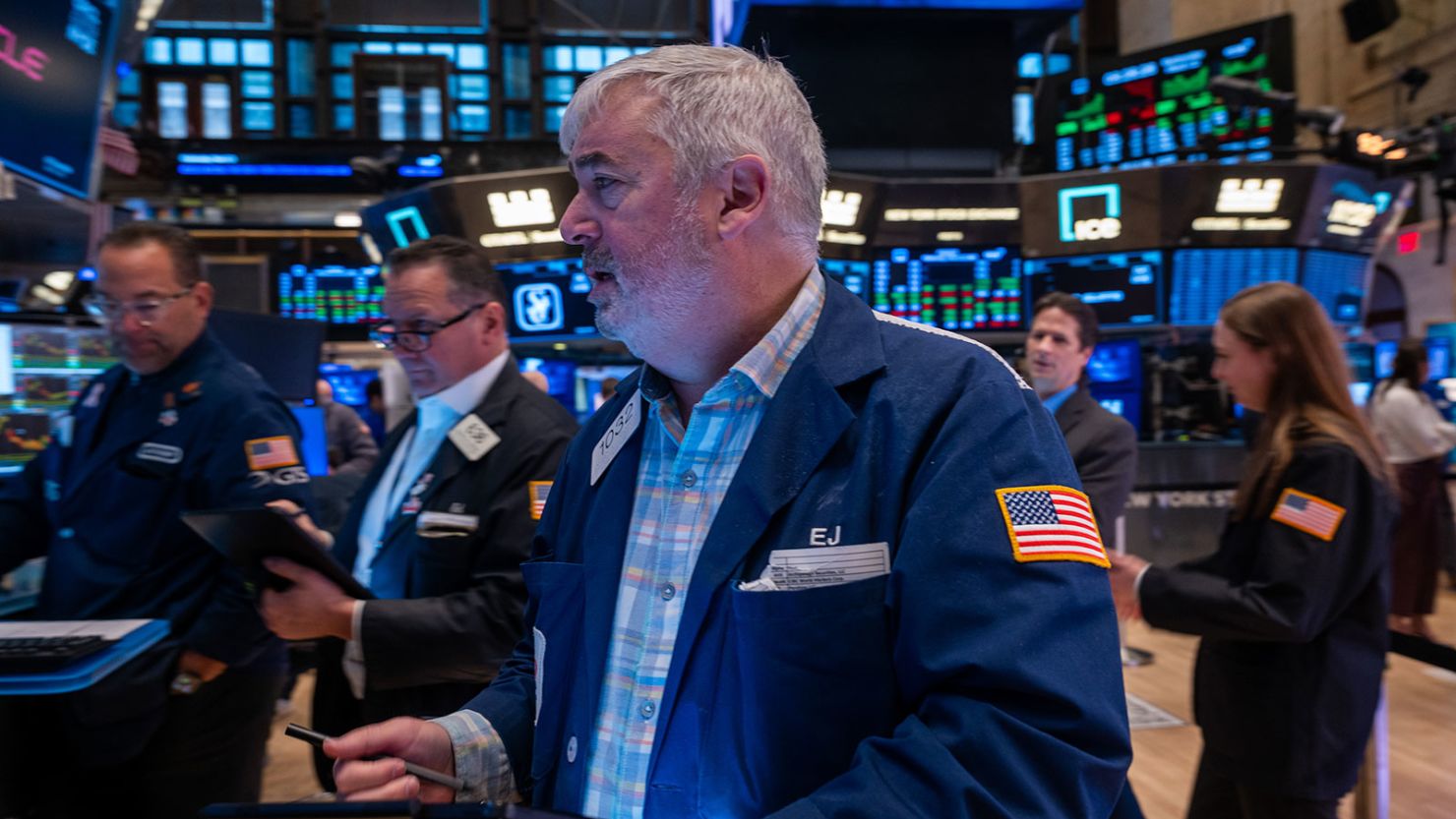
U.S. equity markets posted robust gains Friday, with both the S&P 500 and Nasdaq Composite reaching new intraday record highs as Wall Street celebrated a confluence of positive developments on trade and monetary policy fronts.
The benchmark S&P 500 climbed 0.58% to 6,177.16, while the technology-heavy Nasdaq surged 0.54% to 20,275.96, both eclipsing previous peaks set earlier this year. The Dow Jones Industrial Average posted the strongest performance of the three major indices, jumping 0.93%, or 403 points, to 43,789.88. The Nasdaq’s advance positioned it to confirm a new bull market, having recovered more than 20% from its April trough.
The surge in stocks came after the two countries agreed to slash the crippling tariffs for 90 days following talks in Geneva over the weekend. Market participants seized on signs that the trade tensions that roiled markets in April may be easing, with Washington and Beijing making progress on multiple fronts.
Trade Breakthrough Drives Sentiment
The most significant catalyst for Friday’s rally was news of a breakthrough in U.S.-China trade relations. A White House official confirmed that Washington had reached an agreement with Beijing on expediting rare-earth shipments to the United States, coming just days before the critical July 9 deadline for President Trump’s “reciprocal” tariffs to take effect.
Treasury Secretary Scott Bessent added fuel to the optimistic sentiment, indicating that the Trump administration could finalize trade deals with other countries by Labor Day. The administration is reportedly negotiating with the country’s 18 main trading partners, suggesting a broader diplomatic push to resolve outstanding trade disputes.
“I think the driver for that momentum is the dissipation of concerns over the magnitude of tariffs. That was the biggest concern in the early April time frame, and I think that headwind seems to be dissipating a bit,” explained Art Hogan, chief market strategist at B. Riley Wealth.
The market’s response reflects the severity of concerns that had weighed on investors since April, when escalating trade tensions sent shockwaves through global markets. The S&P 500 dropped more than 3.4%, and the Nasdaq tanked 4.3% during the height of the trade uncertainty.
Federal Reserve Policy in Focus
Adding another layer of complexity to the market narrative, investors are closely monitoring potential changes at the Federal Reserve. A Wall Street Journal report suggested that President Trump has considered announcing a replacement for Fed Chair Jerome Powell as early as September or October, introducing uncertainty about future monetary policy direction.
This speculation comes as economic data continues to support the case for potential interest rate cuts. Friday’s consumer spending report showed an unexpected decline in May, as the boost from pre-emptive purchases ahead of potential tariffs began to fade. Monthly inflation rose only moderately, reinforcing market expectations for looser monetary policy.
However, recent statements from Fed officials suggest a more cautious approach. Chair Jerome Powell says, a stance directly at odds with President Donald Trump’s calls for immediate cuts. Fed officials have kept their benchmark lending rate unchanged since January, at a range of 4.25% to 4.5%
Despite Powell’s cautious tone, traders have increased their bets on a July rate cut, with CME Group’s FedWatch tool showing a 20.7% probability compared to 14.5% the previous week.
Sector Performance and Individual Movers
The market’s broad-based advance was evident in sector performance, with ten of the eleven major S&P 500 sub-sectors posting gains. Energy stocks stood as the lone laggard, declining 0.5%.
Technology stocks led the charge, with Nvidia, the world’s most valuable company, climbing 1.8% to a fresh record high. Other tech giants joined the rally, with Amazon.com gaining 1.1% and Apple advancing 0.2%.
The athletic apparel sector saw notable strength following Nike’s better-than-expected earnings report. The sportswear giant’s shares jumped 15.8% after forecasting a smaller-than-anticipated revenue decline for the first quarter. The positive sentiment spread to competitors, with Lululemon Athletica rising 1.6% and Deckers Outdoor, owner of the Hoka brand, adding 2.7%.
Market Breadth and Technical Outlook
Market breadth underscored the rally’s strength, with advancing issues outnumbering decliners by a 2.01-to-1 ratio on the New York Stock Exchange and 1.26-to-1 on the Nasdaq. The S&P 500 registered 27 new 52-week highs against just two new lows, while the Nasdaq recorded 70 new highs versus 34 new lows.
All three major indices were positioned for their best weekly performance in more than a month, reflecting a significant shift in investor sentiment from the pessimism that dominated markets during the spring trade tensions.
Reflecting this improved outlook, UBS Global Wealth Management raised its year-end target for the S&P 500 to 6,200 from a previous forecast of 6,000, citing “softening trade uncertainty” as a key factor in the revision.
Looking Ahead
As markets head into the final trading sessions before the July 4th holiday, investors will be watching closely for additional developments on both trade and monetary policy fronts. The July 9 deadline for reciprocal tariffs remains a key inflection point, while any signals from Federal Reserve officials about the timing of potential rate cuts will be scrutinized for clues about the policy path ahead.
The confluence of easing trade tensions and potential monetary accommodation has created a favorable backdrop for risk assets, though the sustainability of this rally will depend on whether recent diplomatic progress translates into lasting agreements and whether economic data continues to support the case for policy easing.
WHAT YOU SHOULD KNOW
U.S. stocks surged to new highs Friday as two key developments boosted investor confidence: progress on resolving trade tensions with China and growing expectations for Federal Reserve rate cuts.
The S&P 500 and Nasdaq reached record highs, with the Nasdaq confirming a new bull market after recovering 20% from April lows. The rally was driven by a U.S.-China agreement on rare-earth shipments ahead of the July 9 tariff deadline, while Treasury Secretary Bessent indicated broader trade deals could be completed by Labor Day.
Simultaneously, weak consumer spending data and moderate inflation strengthened bets for Fed rate cuts, with traders now pricing in a 20.7% chance of a July cut compared to 14.5% last week.