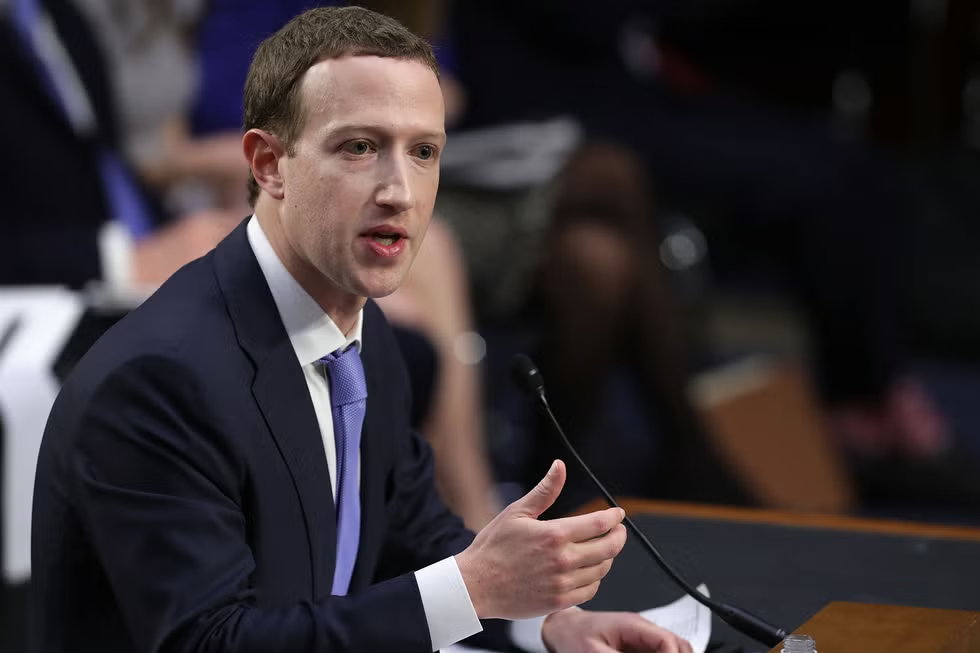
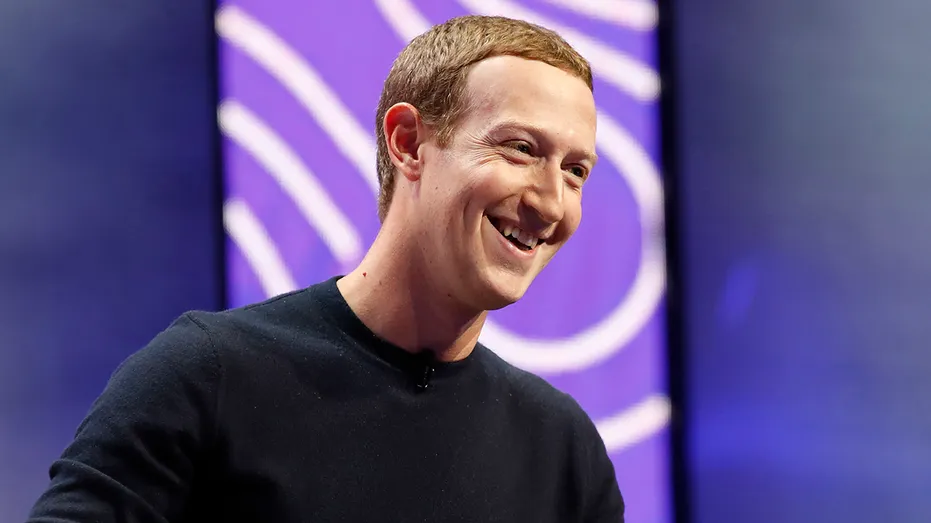
Meta Chief Executive Mark Zuckerberg is expected to testify on Wednesday in a closely watched social media addiction lawsuit, appearing at the request of attorneys representing a young plaintiff who claims Instagram and other platforms were intentionally structured to foster dependency among young users.
The 41-year-old technology executive, whose company Meta owns Facebook, Instagram, and WhatsApp, is regarded as the most significant witness in the California courtroom battle.
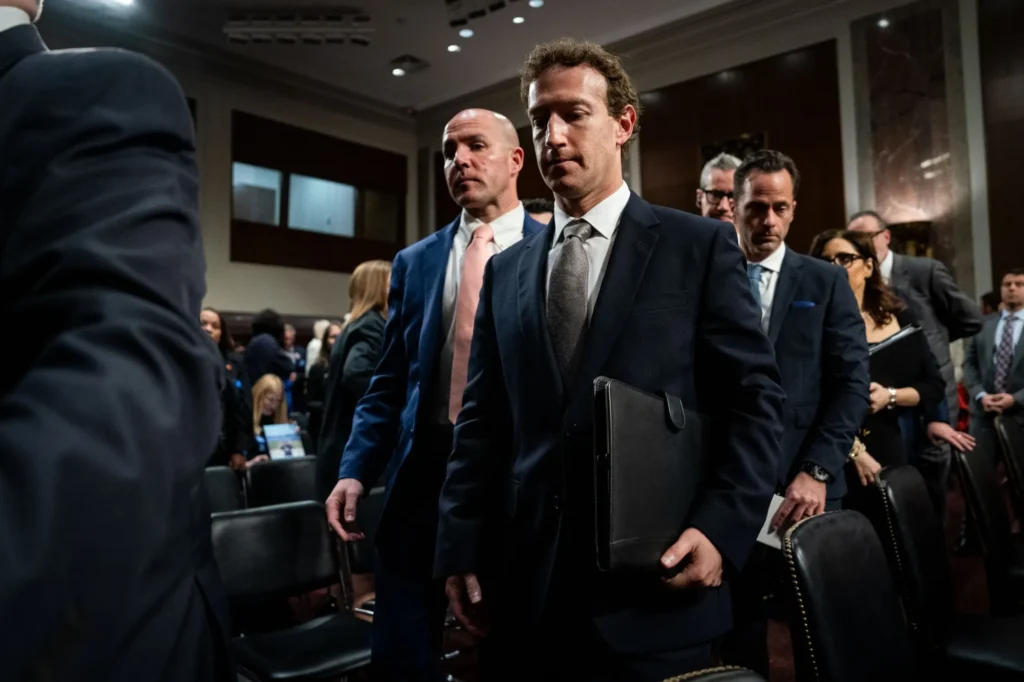
The case is the first in a succession of lawsuits that may shape legal standards for thousands of similar claims brought by families across the United States against major social media corporations.
The proceedings mark the first occasion the billionaire entrepreneur will directly respond before a jury regarding the safety and design of his globally influential platforms.
His public image and long-standing controversies have hovered over the trial from its earliest stages, including jury selection. During that process, Meta’s legal team sought to disqualify California residents believed to hold particularly negative views of the Facebook founder.
A panel of 12 jurors in Los Angeles is scheduled to hear evidence through late March. Their task is to determine whether YouTube, owned by Google, and Meta’s Instagram carry responsibility for mental health challenges experienced by Kaley G.M., a 20-year-old California resident who has engaged heavily with social media platforms since early childhood.
According to court filings, Kaley began watching YouTube at the age of six and joined Instagram at 11, later adding TikTok and Snapchat to her daily routine. The lawsuit argues that the platforms were deliberately engineered to encourage repetitive and compulsive engagement among young users, contributing to psychological harm.
The trial, along with two related cases slated for Los Angeles later this summer, is seen as an effort to set a legal benchmark for resolving thousands of lawsuits alleging that social media has played a role in rising levels of depression, anxiety, eating disorders and suicide among young people nationwide.
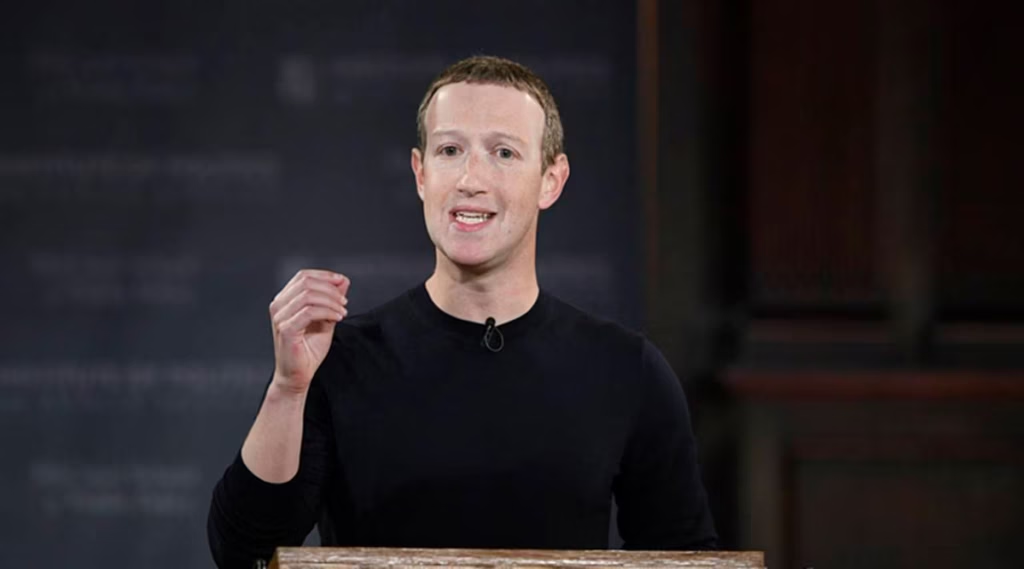
Legal arguments in the case are centered on platform architecture, recommendation algorithms, and personalization tools. This focus stems from existing US legislation that provides technology companies broad protection from liability for user-generated content, effectively limiting lawsuits to issues involving product design and corporate decisions.
TikTok and Snapchat, which were initially included in the complaint, reached confidential agreements with the plaintiff before the start of the trial, removing them from the current proceedings.
The term ‘problematic use’
Earlier in the trial, Instagram head Adam Mosseri appeared in court on February 11, becoming the first Silicon Valley executive to testify.
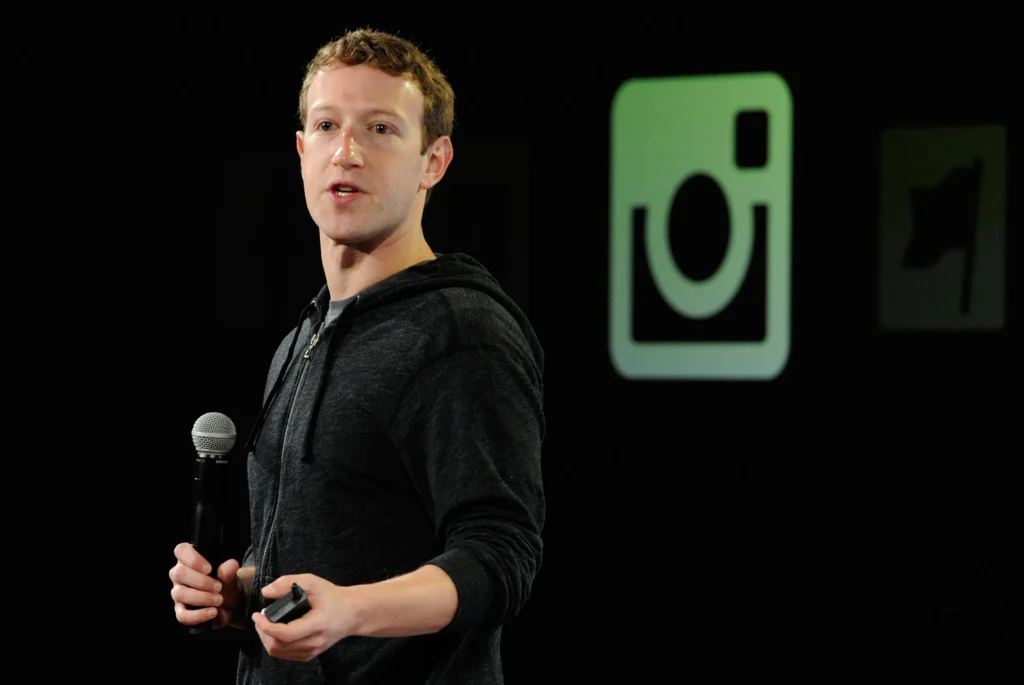
In his remarks to jurors, he rejected framing social media engagement as addiction, instead favoring the phrase “problematic use,” a term commonly adopted within Meta.
“I’m sure I’ve said that I was addicted to a Netflix show when I binged it really late one night, but I don’t think that’s the same thing as clinical addiction,” Mosseri said.
Inside the courtroom, several mothers whose teenage children had died by suicide were present in the gallery. Many had waited overnight in rainy conditions to secure seats and were visibly emotional during testimony.
One day earlier, the plaintiff’s legal team presented psychiatrist Anna Lembke as an expert witness. She described how social media can function as a “gateway drug” for adolescents, potentially reshaping developing brains in ways that reinforce compulsive behavioral patterns.
During cross-examination, Mosseri was confronted with internal company emails concerning Zuckerberg’s 2020 approval of cosmetic surgery filters on Instagram. The feature, which allows users to preview potential cosmetic enhancements, had faced resistance from some company executives who warned it could negatively affect young girls’ body image and mental well-being.
Despite those objections, some executives advocated for reinstating the filters amid intensifying competition from TikTok, fearing the platform could lose users and market share.
Although YouTube CEO Neal Mohan had been expected to testify, attorneys for the plaintiff informed the court on Tuesday that they would instead call a different YouTube executive to provide evidence.
The Los Angeles case is unfolding alongside a broader nationwide lawsuit being heard before a federal judge in Oakland, California. That separate matter could proceed to trial in 2026.
In addition, Meta is preparing to face trial in New Mexico, where state prosecutors allege that the company prioritized financial gains over safeguarding minors from sexual exploitation and predatory behavior.
What you should know
Mark Zuckerberg’s testimony is considered a pivotal moment in a landmark lawsuit that may influence how courts handle thousands of similar cases accusing social media platforms of harming young users.
The California trial focuses on whether app design choices, rather than user content, contributed to mental health struggles.
US law generally shields technology companies from liability over what users post. As a result, the legal battle centers on algorithms, personalization systems, and product features allegedly designed to maximize engagement, especially among children and teenagers.
The outcome of this case, along with other related trials scheduled in California, could establish important legal precedents for future litigation against major technology firms. Meta is also facing separate legal challenges in other states, underscoring growing scrutiny over how social media platforms impact minors’ safety and well-being.