The signing of the Electoral Act Amendment, despite mass opposition, has forced a reckoning, not just about elections, but about where Nigerians turn when the system refuses to listen.
The Prophetic Mourning Behind Nathaniel Bassey’s Call
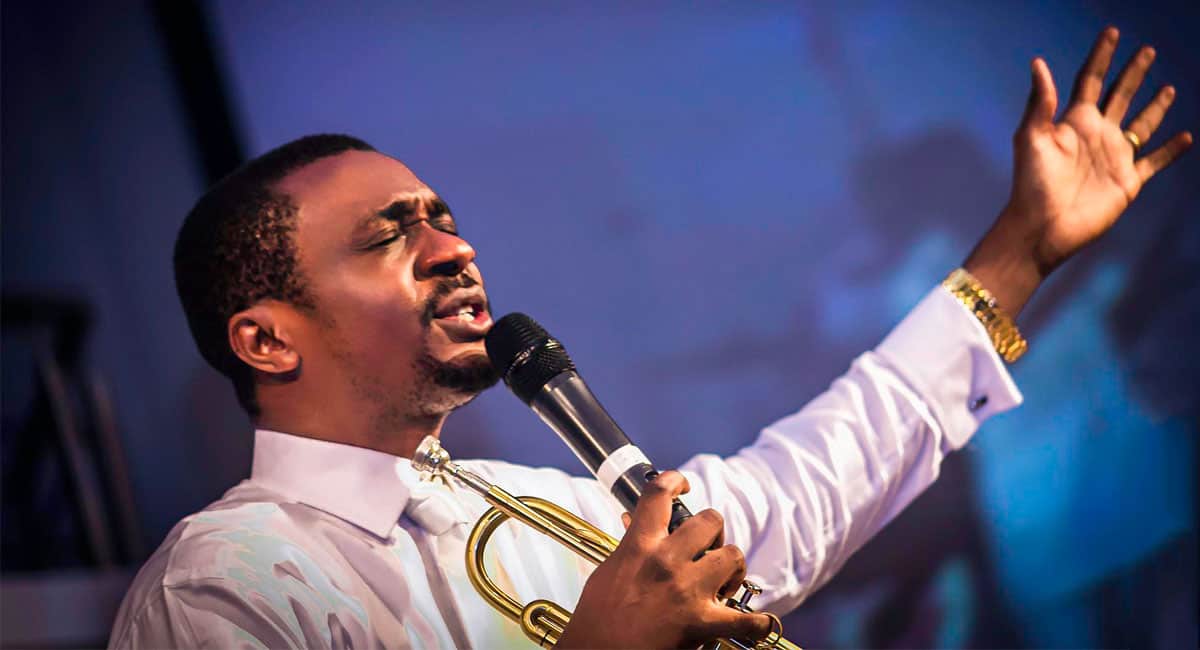
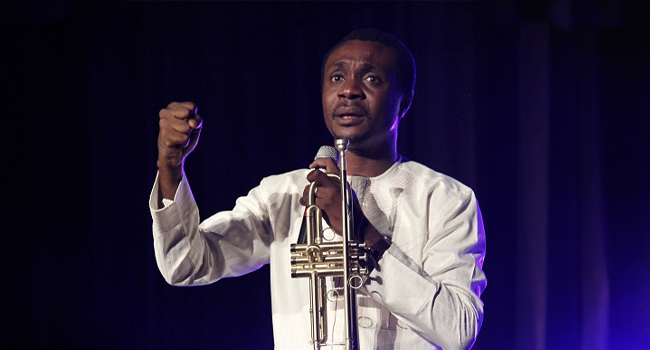
If you’ve seen the recent buzz around gospel singer Nathaniel Bassey calling for national prayers, you might have wondered: Why is a musician weighing in on Nigeria’s political crisis? The answer is more layered than it looks.
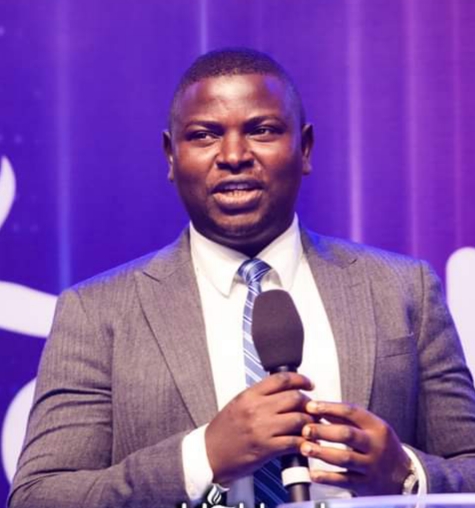
During a recent installment of his Hallelujah Challenge, Bassey expressed visible heartbreak, not over personal loss, but over the state of his country. “I want us to pray for our nation, Nigeria, first, and then we deal with ourselves,” he said. That framing matters. He wasn’t retreating from reality. He was doing something deeply rooted in biblical tradition: mourning for a nation.
Think about what that looks like historically. The prophet Jeremiah spent forty years weeping over Judah’s coming destruction, not because he’d lost someone close to him, but because he could see what was coming, and the people wouldn’t listen. Elisha wept when God showed him the devastation Syria would one day bring against Israel. Even Jesus, in Matthew 5:4, when he said “blessed are they that mourn,” wasn’t speaking only about personal grief. He was speaking to those who carry the weight of a broken world on their hearts and respond with intercession rather than indifference.
That’s the spirit Bassey is operating in. His call isn’t escapism. It’s compassion taking a spiritual form, and it arrived at a moment when Nigeria desperately needed both.
What Actually Happened With the Electoral Act (And Why It Matters)
To understand why Bassey’s call resonated so deeply, you need to understand what was happening in the National Assembly at the same time.
For months, Nigerians—ordinary citizens, civil society groups, and opposition politicians – had been demanding one specific thing from the Electoral Act Amendment: real-time electronic transmission of election results. It’s not a radical ask. The logic is simple: if results are transmitted live from polling units, it becomes much harder to manipulate figures after the fact. Credible elections. Confident voters. Accountable leaders. The kind of foundation a functioning democracy needs.
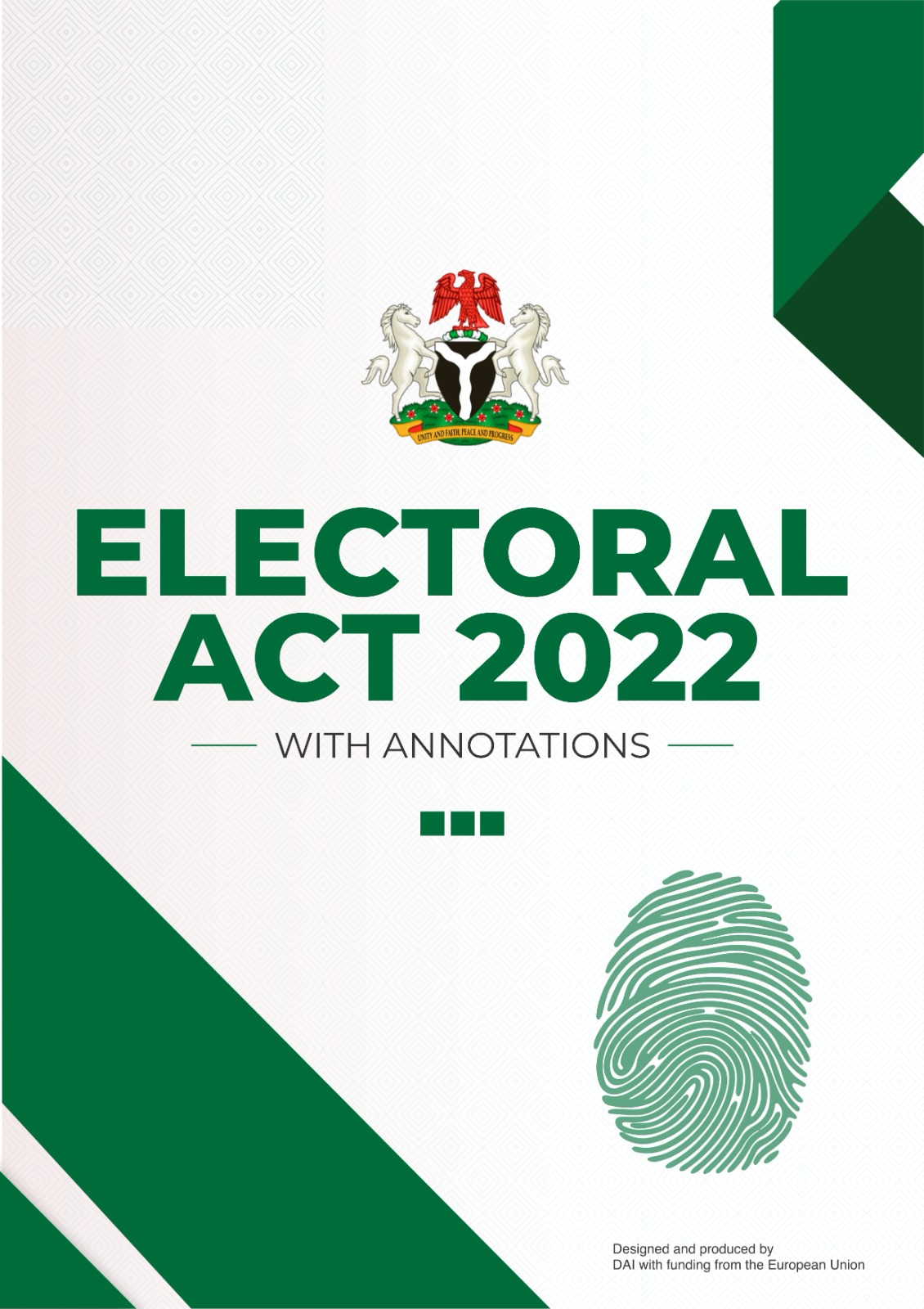
The political establishment had other ideas.
Despite protests literally at the gates of the National Assembly, the protests were met with tear gas, and the amendment was signed into law with the provisions most Nigerians opposed; it was left intact or watered down. President Tinubu declared that the process ensured “no confusion, no disenfranchisement.” Senate President Akpabio insisted every vote would now count. But many Nigerians weren’t buying it.
The ADC said the president had “signed the death warrant on credible elections.” The PDP called it “a huge betrayal of collective trust.” Prof. Pat Utomi, one of Nigeria’s most respected political economists, described it as a “gangster-style assault on the popular will” and warned it could set conditions for serious instability. Civil society groups flagged an additional sting in the bill: a ₦50 million administrative fee to register a new political party, which critics called a “financial moat” designed to shut out grassroots movements and youth-led political formations.
In short, the people spoke loudly and clearly, and the law was passed anyway.
The Hard Question Nobody Wants to Answer
Here’s where things get uncomfortable and honest.
There’s a common response to calls for national prayer that goes something like this: “Nigeria’s problems are structural, political, economic, and institutional. Prayer won’t fix that. What we need is systemic change.” It sounds reasonable. And in principle, it isn’t wrong.
But here’s the thing: where were those voices during the fight over the Electoral Act?
The people who turned out, who organized, who protested, and who took tear gas at the National Assembly gates were the civil society groups, the activists, and the opposition politicians. They fought hard. And they still lost. The amendment passed anyway. The same critics who dismiss prayer as insufficient largely sat out the very civic battle they claim is the real solution.
This isn’t about mocking anyone. It’s about being clear-eyed. If structural activism was sufficient to prevent this outcome, it would have prevented it. It didn’t. That’s not an argument against activism, but it’s an argument that activism alone, in Nigeria’s current political environment, has a ceiling. Something more is needed to break through it.
That’s exactly the moment Bassey’s call landed in.
Prayer as Action, Not Escape
Here’s the part that often gets lost in the debate: prayer, as Bassey and many Nigerian believers understand it, is not passive. It’s not wishful thinking dressed up in religious language. It’s intercession, a deliberate, sustained spiritual act aimed at redirecting outcomes that human effort alone couldn’t shift.
The biblical framework Bassey is drawing from makes a striking claim: that the heart of a king is in God’s hand, and God can turn it wherever He wills (Proverbs 21:1). If that’s true, then prayer becomes a form of political action and one that addresses the source rather than just the symptoms.
But this is important; it has to be real. Not perfunctory, not routine, not the kind of prayer that becomes background noise. The author of the source article puts it vividly: it needs to be as desperate and heartfelt as trying to resuscitate someone you love. That level of sincerity is what transforms intercession from ritual into a genuine cry that can move things.
The common objection, “we’ve been praying for years, and Nigeria keeps getting worse,” actually supports this point rather than undermining it. If the prayers haven’t worked, the question isn’t whether prayer works. The question is whether the prayers have had the weight they need to carry.
And perhaps most pointedly, 2 Chronicles 7:14 offers a specific roadmap: humble yourselves, pray, seek God’s face, turn from wickedness, and then God promises to hear, forgive, and heal the land. That’s not a passive posture. It requires accountability, repentance, and intentionality from the people praying. Even former presidential candidate Peter Obi, no stranger to the political trenches, has publicly begged Nigerians to pray for politicians. “We are the problem of Nigeria,” he said. That kind of honesty from inside the political class is striking, and it makes the case for spiritual intervention more, not less, compelling.
The Takeaway: Nigeria Needs Both, and It Needs Them Now
The passage of the Electoral Act Amendment, despite widespread opposition, is a sobering data point. It tells us that civic engagement, while necessary, is not always sufficient. It tells us that the structures of power in Nigeria are entrenched enough to absorb popular pressure and keep moving. And it tells us that Nigerians who are serious about change need to be operating on more than one front.
Nathaniel Bassey’s mourning is not a retreat from the fight. It’s an opening of a second front, one that the critics who dismiss prayer never seem to engage with seriously, even as they decline to show up for the structural fight they claim is the real answer.
Nigeria needs activists who will keep pushing for institutional reform. It also needs intercessors who will carry the spiritual weight of a nation that has been let down by its leaders. These aren’t competing responses. They’re complementary ones.
The arm of flesh will fail. History and the Electoral Act Amendment have made that clear enough. But that doesn’t mean human effort should stop. It means it needs to be accompanied by something deeper.
For those who are grieving Nigeria right now, Bassey’s promise from Matthew 5:4 is worth holding onto: those who mourn shall be comforted. The comfort isn’t just personal. It’s national. And it’s contingent on the mourning being real.
What do you think, can prayer and civic activism work together to change Nigeria’s political landscape? Share your thoughts in the comments.
By Ugochukwu Ugwuanyi