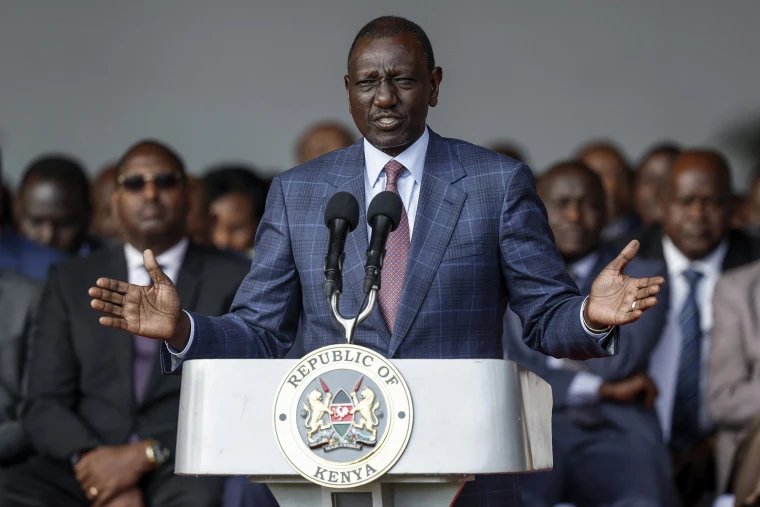
Tensions have emerged between Bola Ahmed Tinubu and William Ruto following a public back-and-forth over economic realities and language use, triggering widespread reactions across Africa.
The situation began when Tinubu, during an official engagement in Bayelsa State, defended his administration’s economic policies amid growing domestic pressure. While addressing citizens, he admitted that rising fuel costs and broader economic challenges had placed a burden on Nigerians.
However, he urged patience and resilience, maintaining that conditions in Nigeria were still comparatively better than in some other African nations.
He emphasised that ongoing reforms were aimed at easing hardship, particularly for vulnerable populations, and encouraged citizens to remain optimistic despite the difficulties. His remarks, however, quickly attracted attention beyond Nigeria, especially due to the comparative nature of his comments.
In a response that gained traction across social media, President Ruto pushed back against Tinubu’s assertions. Referencing Nigeria’s long-standing infrastructural issues, particularly in the power sector, Ruto questioned the basis of the comparison. He also made remarks about the use of English in Nigeria, suggesting that Kenyan English is more refined and easier to understand.
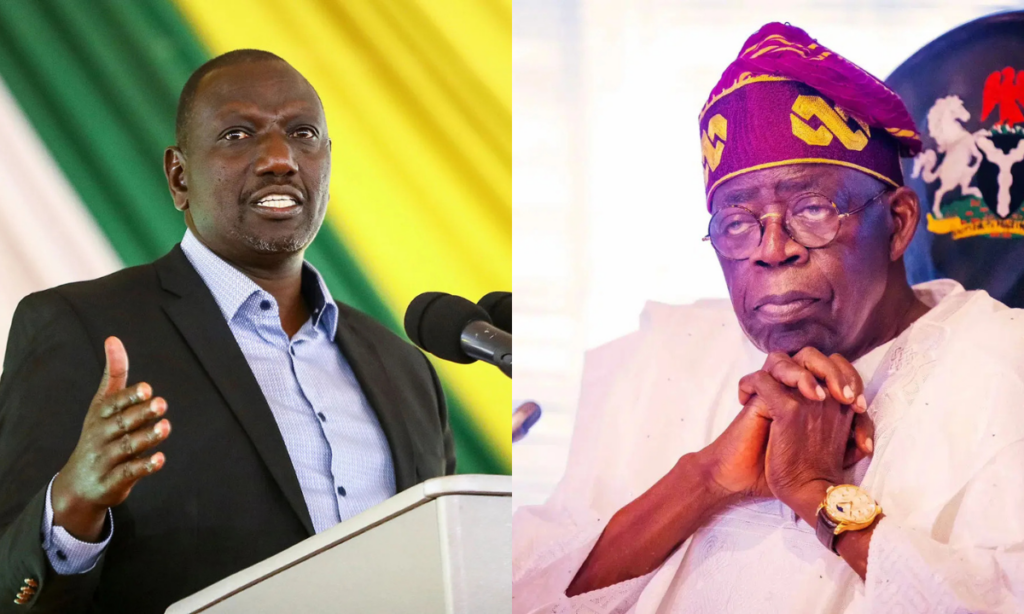
Though his comments were delivered in a somewhat light-hearted tone, they quickly went viral and sparked a wave of mixed reactions across the continent. While some viewers interpreted the exchange as harmless banter, others criticised both leaders for engaging in comparisons at a time when many African nations are facing serious economic headwinds.
The episode has since fueled broader conversations about leadership communication, national image, and the role of public statements in shaping regional relations. Many observers noted that such exchanges, even when informal, can influence diplomatic perceptions and public sentiment.
The development comes at a period when several African economies are navigating difficult conditions, including rising inflation, elevated fuel prices, and disruptions in global supply chains. External pressures linked to geopolitical tensions, particularly around strategic routes such as the Strait of Hormuz, have also contributed to economic uncertainty across the region.
Despite being one of Africa’s largest oil producers, Nigeria continues to grapple with structural challenges such as currency volatility, high inflation, and inconsistent electricity supply. Kenya, widely regarded as a key financial and technological hub in East Africa, is similarly dealing with mounting public debt and increasing cost-of-living pressures.
The exchange between the two leaders highlights the sensitivity of cross-country comparisons at a time when governments across the continent are under pressure to stabilise their economies and deliver relief to citizens.
What you should know
The public exchange between Tinubu and Ruto reflects deeper economic tensions across African countries facing inflation, fuel price hikes, and fiscal strain.
While both leaders addressed domestic challenges, their comments sparked cross-border reactions, raising concerns about diplomatic tone and leadership communication. Nigeria continues to battle inflation, currency instability, and power shortages, while Kenya faces rising debt and living costs.
The incident underscores how sensitive economic comparisons can be, especially during periods of hardship, and highlights the importance of measured rhetoric in maintaining regional cooperation and public confidence across Africa’s interconnected political and economic landscape.