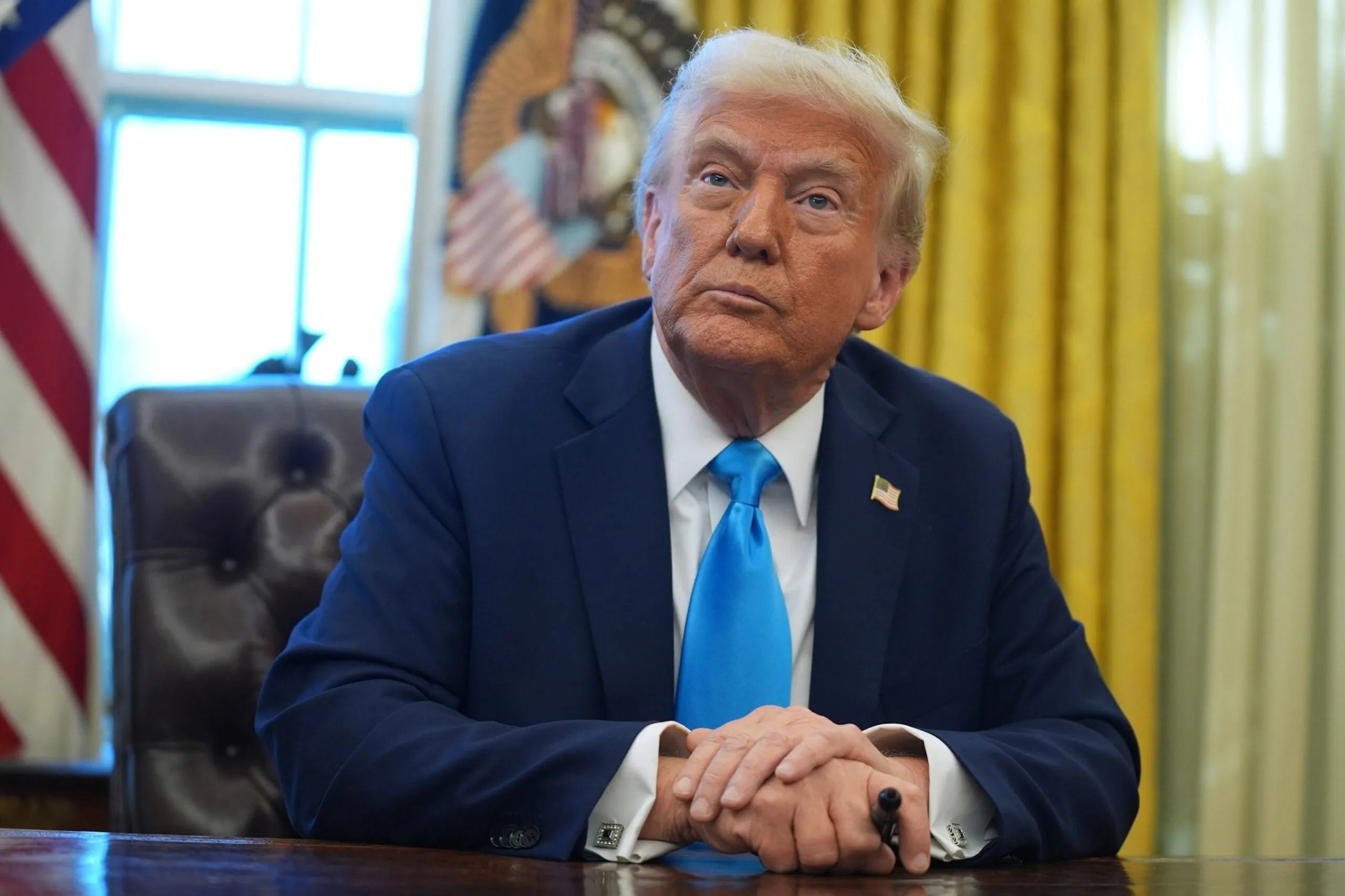
Donald Trump’s strong desire to secure the Nobel Peace Prize next month appears to be facing a setback, as the Norwegian Nobel Committee stressed that its decisions cannot be influenced by outside pressure.
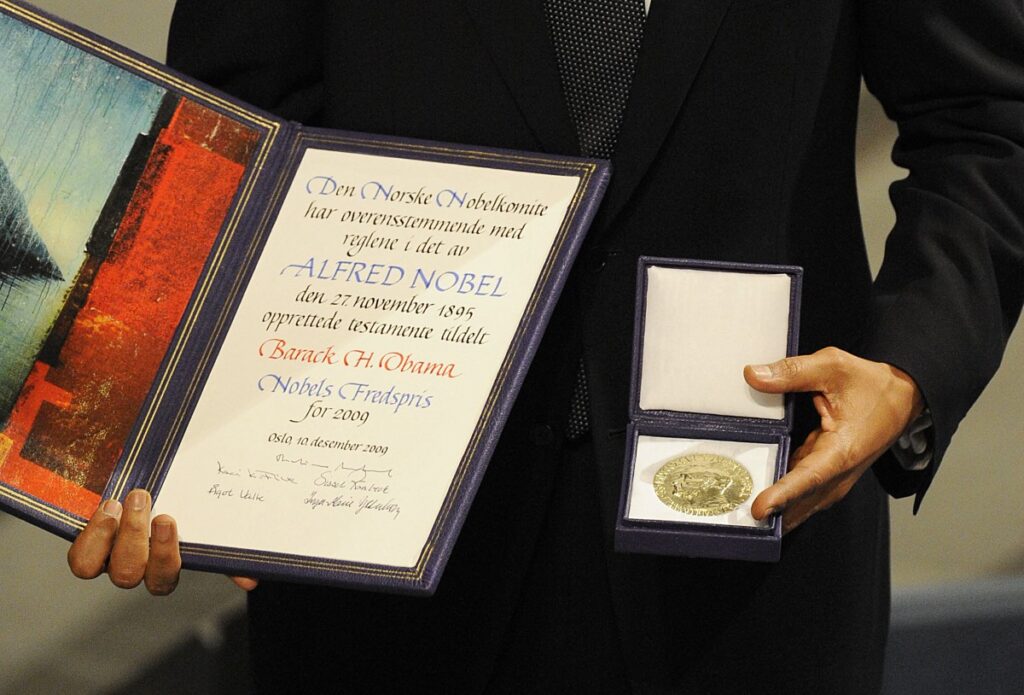
Since returning to the White House in January, Trump has openly expressed his determination to win the prestigious award, one that his Democratic predecessor Barack Obama surprisingly received in 2009 shortly after taking office.
The 79-year-old Republican has repeatedly declared that he “deserves it,” claiming responsibility for bringing an end to six wars. However, conflicts in Gaza and Ukraine, which he has promised to address, are still ongoing.
“Of course, we do notice that there is a lot of media attention towards particular candidates,” committee secretary Kristian Berg Harpviken told AFP in an interview in Oslo.
“But that really has no impact on the discussions that are going on in the committee. The committee considers each individual nominee on his or her own merits,” he added.
The announcement of this year’s laureate is scheduled for October 10.
Trump has further argued his case by highlighting that some international leaders, including Israel’s Benjamin Netanyahu and Azerbaijan’s Ilham Aliyev, have nominated or supported his candidacy. Still, the timing raises doubts, as nominations closed on January 31, only 11 days after Trump assumed office.
“To be nominated is not necessarily a great achievement. The great achievement is to become a laureate,” Berg Harpviken said.
He explained that the pool of nominators is extensive, covering parliamentarians and ministers worldwide, former laureates, and certain academics, meaning that thousands of individuals have the authority to put forward names.
This year, the Nobel Committee will decide from a list of 338 candidates, though the identities are kept secret for 50 years. The most credible contenders are placed on a shortlist, with each assessed by subject experts.
“When the committee discusses, it’s that knowledge base that frames the discussion. It’s not whatever media report has received the most attention in the last 24 hours,” Harpviken emphasized.
“We are very aware that every year there are a number of campaigns, and we do our utmost to structure the process and the meetings in such a way that we are not unduly influenced by any campaign,” he said.
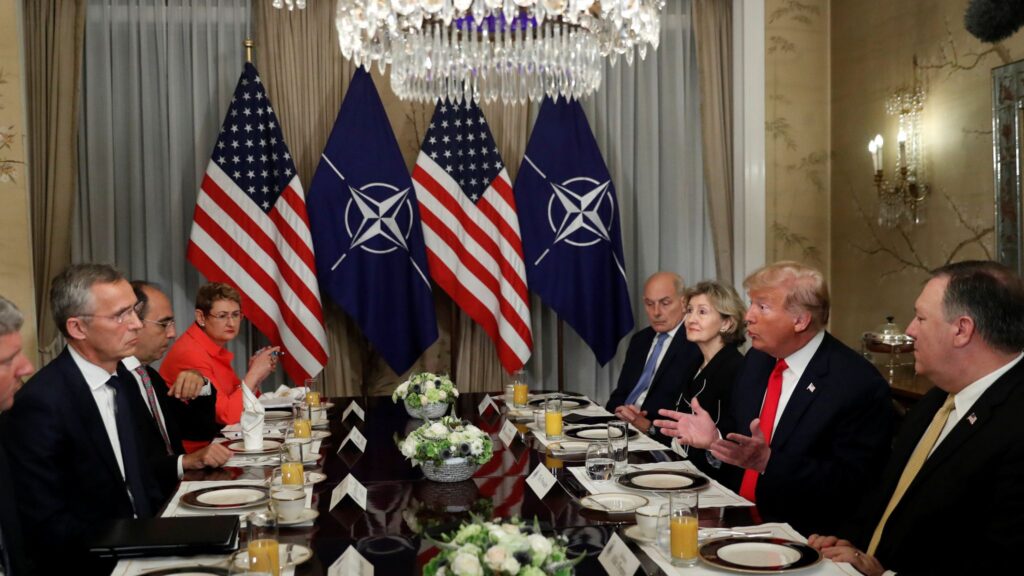
Reports also revealed that Trump brought up the Peace Prize during a late-July phone call with Norway’s Finance Minister Jens Stoltenberg, the former NATO chief, while discussing tariffs. The ministry confirmed the call occurred but did not confirm if the Nobel Prize was discussed.
Despite the fact that Norway’s parliament selects the five committee members, the body insists it functions independently, free from political or governmental control.
An example of this independence was in 2010, when the committee ignored quiet warnings from the Norwegian government and awarded the Peace Prize to Chinese dissident Liu Xiaobo, a move that led to years of strained relations between Oslo and Beijing.
“The Nobel Committee acts entirely independently and cannot allow itself to take those considerations into account when it discusses individual candidates,” Harpviken stated.
Norway continues to champion multilateralism, a principle dear to Alfred Nobel, but one at odds with Trump’s “America First” agenda. Experts believe this ideological clash reduces Trump’s chances of receiving the honor.
“This type of pressure usually turns out to be counter-productive,” Halvard Leira, research director at the Norwegian Institute of International Affairs (NUPI), told AFP.
“If the committee were to give the prize to Trump now, it would obviously be accused of kowtowing” and betraying its independence, he noted.
In August, three Nobel historians went even further, publishing an op-ed outlining why Trump should not receive the prize. They cited his admiration for Russian President Vladimir Putin, who continues to wage war in Ukraine, as one major reason.
“The members of the Nobel Committee would have to have lost their minds,” they concluded.
What You Should Know
Donald Trump has been openly campaigning for the Nobel Peace Prize since returning to the White House, presenting himself as a peacemaker and pointing to support from some world leaders.
However, the Norwegian Nobel Committee has repeatedly stressed its impartiality, underscoring that lobbying, political influence, and media pressure will not affect its decision. With nominations having closed shortly after Trump’s inauguration, and wars still ongoing in Gaza and Ukraine, experts believe his chances remain slim.
Norway’s firm commitment to independence and multilateralism suggests that Trump’s outspoken push for recognition may backfire, reinforcing the committee’s resolve to prioritize merit and global impact over publicity or pressure.