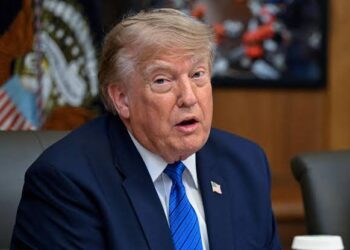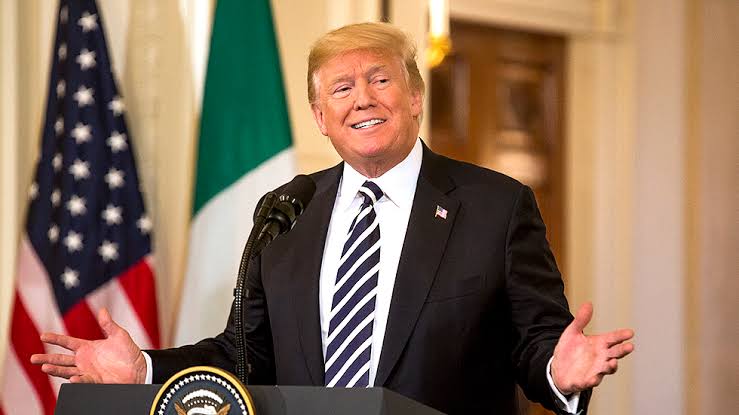
President Donald Trump reignited his long-simmering dispute with Spain on Wednesday, using his arrival at NATO’s annual leaders’ summit to declare Madrid a “wasted cause” and announce he had directed Treasury Secretary Scott Bessent to sever trade ties with the country altogether.
Speaking alongside NATO Secretary General Mark Rutte, Trump said Spain was “a terrible partner in NATO,” adding, “They don’t participate; they don’t pay. I don’t want anything to do with Spain.”
The comments marked an intensification of a feud that has simmered for months, and they threatened to overshadow a gathering that European leaders had hoped would project unity, particularly around continued support for Ukraine.
The immediate trigger for Trump’s anger dates back to earlier this year, when Madrid blocked the use of the Rota and Morón military bases in southern Spain for Washington’s bombing campaign against Iran, prompting Trump to threaten economic reprisals against Spain as far back as March.
Spanish Prime Minister Pedro Sánchez, a vocal critic of the US war effort against Tehran, has been one of the few European leaders willing to publicly break with Washington’s posture on Iran.
Layered on top of that is a separate, longer-running quarrel over defense spending. Spain is the only NATO member that has refused to commit to the alliance’s newly agreed spending targets, having secured an exemption capping its military outlays at 2.1% of GDP rather than the 5% goal other members have pledged to reach by 2035, leaving it tied for last place among allies on defense spending as a share of GDP.
Trump did not mince words. “Spain is a wasted cause. We don’t want to do any trade business with Spain anymore,” he told reporters at the summit, adding, “Spain is a terrible partner in NATO. They don’t participate, they don’t pay. I don’t want anything to do with Spain.”
Madrid’s response was notably composed. Officials close to Sánchez said they had anticipated the confrontation and were treating Trump’s broadsides with relative calm, having armed the prime minister with data to counter the accusations before he left for Ankara.
Spanish officials note that the country has already reached 2% of GDP in defense spending, now ranks seventh among NATO’s 32 members, and argue that NATO’s own technical assessments undercut Washington’s characterization of Spain as a laggard.
Analysts have also questioned the practical force of Trump’s threat. A US administration spokesperson acknowledged that Washington actually runs a trade surplus with Spain, meaning the United States arguably has more to lose from a rupture, and noted that as an EU member state, Spain cannot legally be singled out for unilateral trade measures separate from the broader bloc.
The Spain dispute landed amid far graver news out of the Middle East. Trump used the same appearance to declare that the memorandum of understanding he had brokered with Iran to end their conflict was “over,” saying he no longer wished to engage with Tehran and describing its leadership as “sick people.”
The United States and Iran have been trading strikes in recent days, with Iranian forces targeting commercial vessels in the Strait of Hormuz and the US responding with strikes on Iranian military sites, sending oil prices climbing. Washington has since revoked a license that had permitted Iran to sell oil in response to the tanker attacks.
Coming just three weeks after Trump had signed the interim ceasefire agreement with Iran, the collapse of the truce, layered atop the public spat with a NATO ally, left alliance officials scrambling to keep the Ankara summit focused on its intended message of transatlantic unity and continued backing for Ukraine.
WHAT YOU SHOULD KNOW
Trump’s threat to cut off trade with Spain is less about economics and more about leverage, punishing Madrid for refusing US-favored NATO defense spending targets and for blocking its bases during the Iran campaign.
The move is largely symbolic, since the US runs a trade surplus with Spain and, as an EU member, Spain can’t legally be singled out for unilateral trade action.
The real story to watch is what’s happening alongside it: Trump declaring the Iran ceasefire “over” amid fresh US-Iran strikes, a far higher-stakes development that risks getting lost behind the noisier Spain headline.