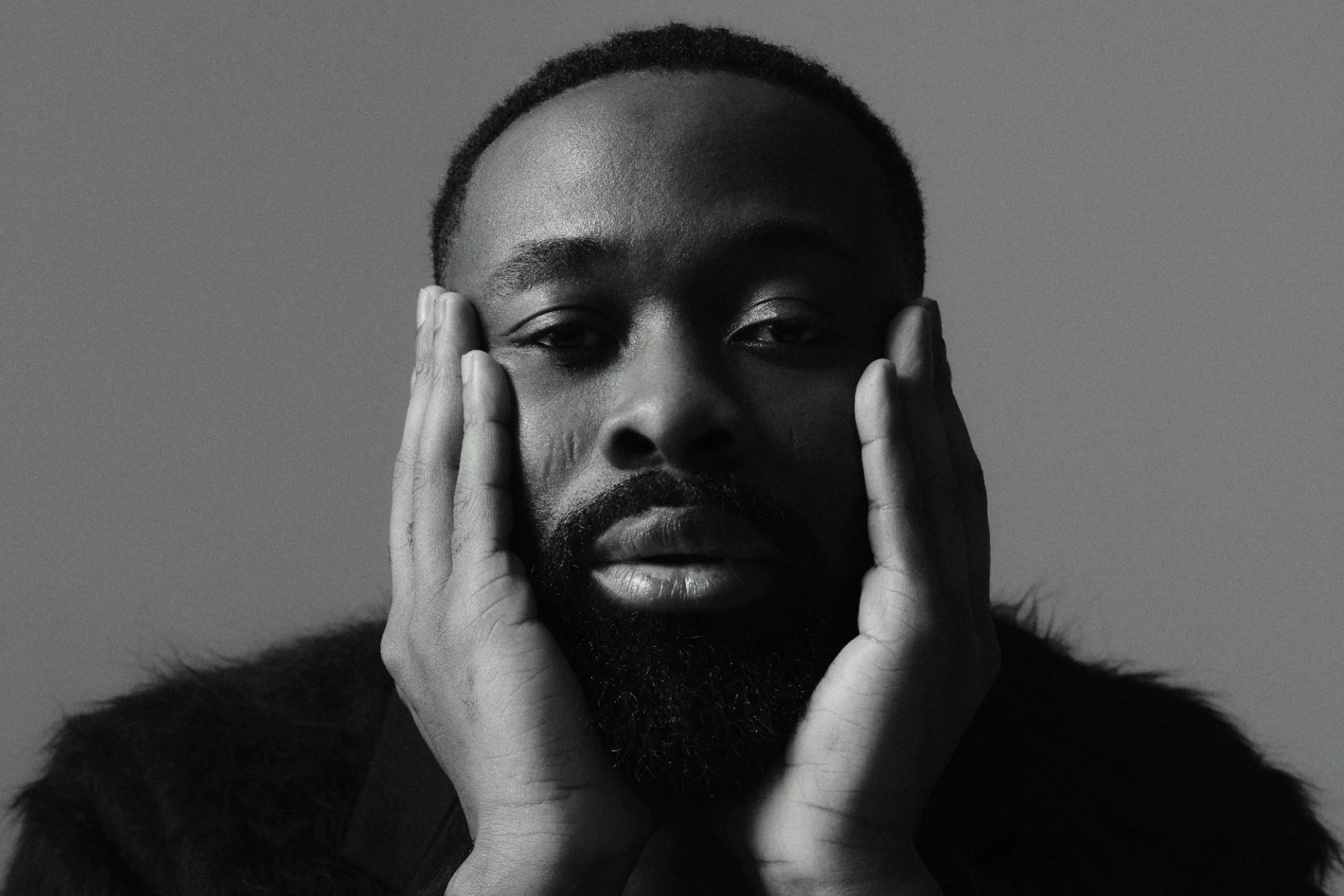
Renowned music producer Osabuohien Osaretin, better known as Sarz, has decried the country’s chronic electricity shortages as a major barrier to artistic innovation and productivity.
Speaking on the latest episode of the Afropolitan Podcast, titled “Sarz: The Brutal Truth About Making It in Afrobeats,” the 36-year-old hitmaker painted a stark picture of how unreliable infrastructure hampers the creative process, potentially wasting untapped talent in one of the world’s fastest-growing entertainment industries.
Sarz, whose production credits include global Afrobeats anthems for artists like Wizkid, Burna Boy, and Drake, emphasized that inspiration often strikes unpredictably, only to be thwarted by power outages. “I was born and raised in this country, and I have never experienced electricity for 24 hours,” he shared during the podcast interview. “There are times when I wake up feeling inspired, and I want to create music, but there is no light. Sometimes, even when you want to buy fuel, they will tell you that there is a strike or scarcity. And then you end up doing nothing, and the potential just wastes.”
This frustration is not isolated to Sarz but reflects a broader crisis in Nigeria, where the entertainment industry—valued at over $25 billion and projected to reach $250 billion by 2035—continues to thrive despite systemic hurdles.
The sector, encompassing music, film (Nollywood), and digital content creation, has achieved remarkable global influence, with Afrobeats dominating international charts and Nigerian films streaming on platforms like Netflix.
Yet, as Sarz pointed out, the lack of reliable infrastructure limits its full potential. “As a creative person, you need to be mentally charged to perform at your best. So, when the infrastructure is lacking, the moment you are mentally charged, it is a challenge,” he added.
Nigeria’s electricity woes are well-documented, with the national grid frequently collapsing—over 100 times in the past decade—leaving millions without power for hours or days.
For creatives like Sarz, who rely on studios equipped with computers, synthesizers, and recording gear, these outages translate to lost momentum and revenue. Many resort to generators, but fuel scarcity and rising costs exacerbate the problem, especially amid ongoing economic pressures like inflation and currency devaluation.
Sarz stressed that these issues force Nigerian artists to seek opportunities abroad, where better systems allow for sustained creativity. In the same podcast, he highlighted the revenue disparities in music streaming: Nigerian streams generate far less income due to lower subscription fees and ad revenues compared to Western markets. “In Nigeria, I haven’t received any residual income for my music from Nigeria,” Sarz revealed, noting that economic factors make international success a financial necessity rather than a choice.
In a related episode with Obi Asika, Director General of Nigeria’s National Council for Arts and Culture, discussions centered on how the creative economy could explode with improved infrastructure, including investments in energy, digital networks, and cultural hubs. Asika echoed Sarz’s concerns, pointing to the need for 40 stadiums and better tertiary education facilities to support ecosystem growth.
As Sarz concluded in the podcast, infrastructure is “very vital for the entertainment industry to thrive,” warning that without it, Nigeria’s creative powerhouse risks being limited indefinitely.
WHAT YOU SHOULD KNOW
Nigeria’s creative industry, despite its global success in Afrobeats and Nollywood, remains severely constrained by one critical factor: unreliable electricity.
Producer Sarz powerfully stated that he has never experienced 24 hours of uninterrupted power in his entire life in Nigeria. When inspiration strikes and there is no light—often compounded by fuel scarcity—creative momentum is lost, ideas are wasted, and potential remains untapped.
Until stable power infrastructure becomes a reality, the full economic and artistic promise of Nigeria’s entertainment sector will continue to be held back.