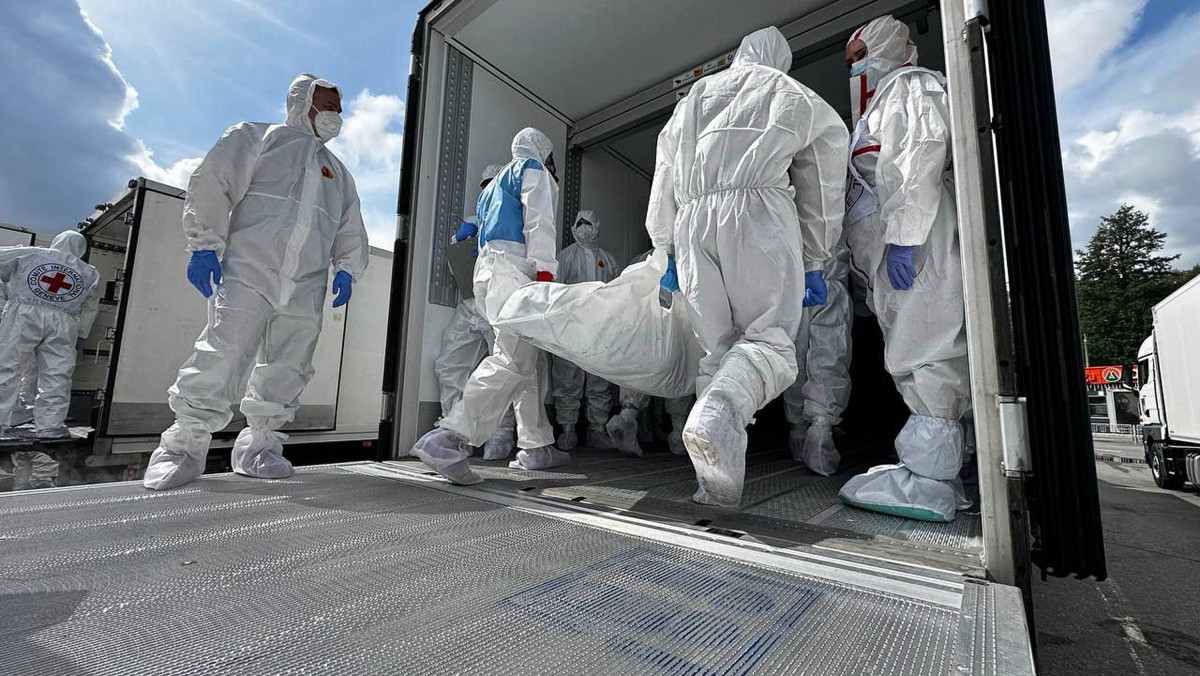
In a somber development tied to ongoing diplomatic exchanges, Russia on Thursday transferred the remains of 1,000 deceased individuals to Ukraine, as confirmed by Kyiv’s coordinating body for the treatment of prisoners of war.
The return, part of limited agreements reached during peace talks in Istanbul, underscores the fragile nature of humanitarian cooperation even as broader negotiations toward ending the conflict remain stalled.
While recent meetings between Russian and Ukrainian delegations in Istanbul failed to yield breakthroughs toward a ceasefire, they did result in arrangements for large-scale exchanges, both of prisoners and of fallen soldiers. Russia, in this instance, returned what it identified as the bodies of 1,000 Ukrainian citizens, many of whom were soldiers.
Ukraine has raised concerns about these types of exchanges in the past, accusing Moscow of repatriating the bodies of its own soldiers falsely labeled as Ukrainians. However, Thursday’s delivery was accepted without immediate protest, possibly indicating a reluctant but necessary adherence to the limited terms of agreement between the warring parties.
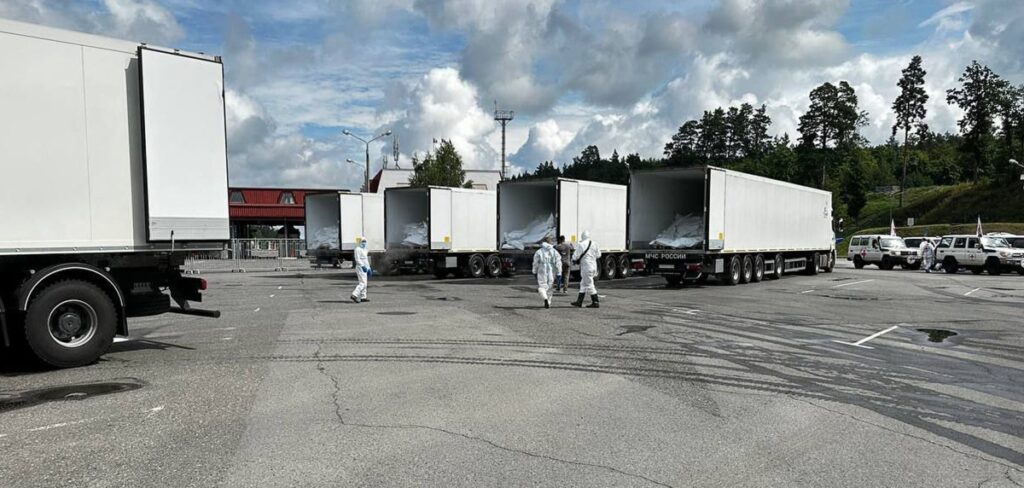
In a reciprocal gesture, Ukraine returned the remains of 19 Russian soldiers. Russian presidential aide and lead negotiator Vladimir Medinsky confirmed the swap, sharing photographs that depicted individuals clad in white protective suits unloading body bags from refrigerated trucks.
Such exchanges, while grim, have been among the few consistent forms of diplomatic engagement during the war. They have served as a channel to maintain minimal lines of communication between the two nations in the absence of more comprehensive peace-building efforts.
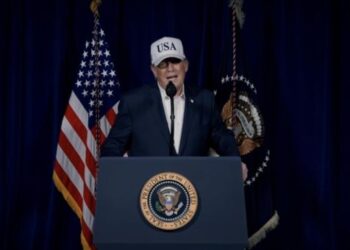
Despite international calls for de-escalation, including pressure from U.S. President Donald Trump, Russia continues to resist any ceasefire proposals. During the latest round of negotiations, the Kremlin presented a list of rigid conditions, including demands for Ukraine to relinquish additional territories and completely sever military ties with Western allies.
Kyiv rejected the terms outright, describing them as one-sided ultimatums and casting doubt on the value of further talks unless Moscow shows genuine willingness to compromise.
As the war stretches into its third year, humanitarian gestures like the repatriation of soldiers’ remains remain one of the few avenues of cooperation in a deeply divided and volatile conflict.
What you should know
Russia’s return of 1,000 soldier bodies to Ukraine highlights one of the few functioning diplomatic channels between the two countries amid a prolonged and bitter war.
While broader peace efforts have stalled, these exchanges underscore the human cost of the conflict and the importance of ongoing humanitarian coordination.