European Union member states have officially approved a fresh and forceful sanctions package against Russia on Friday, reinforcing efforts to exert economic pressure in response to Moscow’s continued military aggression in Ukraine.
This newly endorsed 18th set of punitive measures was finalized after Slovakia withdrew its prolonged opposition, following consultations with EU officials on a separate plan to wean Europe off Russian natural gas.
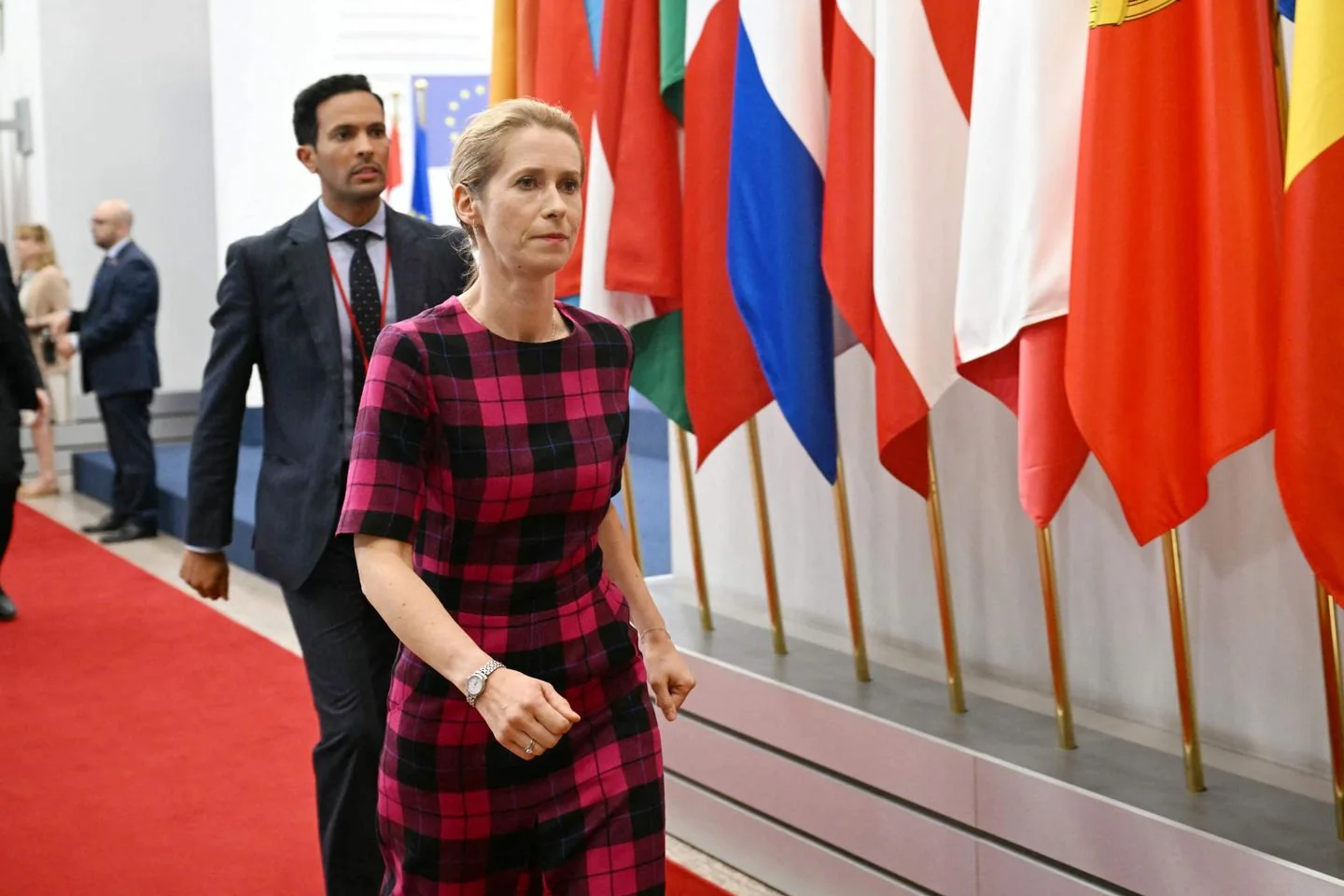
EU foreign policy chief Kaja Kallas emphasized the significance of the latest sanctions, stating, “Each sanction weakens Russia’s ability to wage war. The message is clear: Europe will not back down in its support for Ukraine. The EU will keep raising the pressure until Russia ends its war.”
Slovakia, under the leadership of pro-Russia Prime Minister Robert Fico, had initially resisted the sanctions but agreed to support them after securing what he described as firm “guarantees” from the European Commission concerning future gas pricing. This deal came as the EU continues working toward a full cessation of Russian energy imports by the end of 2027.
One of the core elements of the new sanctions is a reduction in the EU-imposed price cap on Russian oil exports to countries outside the bloc. According to diplomats, the new policy sets the price ceiling at 15 percent below the prevailing market rate, a move aimed at curtailing the Kremlin’s oil revenue. While the European Union has endorsed this reduction, it has yet to gain the support of US President Donald Trump, who remains unconvinced by the strategy.
The oil price cap originated as a G7 initiative launched in 2022 with the goal of limiting Russia’s oil profits. The original ceiling of $60 per barrel was enforced through bans on shipping and insurance services that facilitate the export of oil sold above that threshold. With the latest EU proposal, the price will initially be set at $47.60 and will remain flexible to reflect fluctuations in global oil markets. British and Canadian backing for this new rate is anticipated.
In another significant move, over 100 vessels reportedly involved in Russia’s clandestine oil trade—referred to as the “shadow fleet” of outdated tankers—are being added to the EU’s blacklist. These tankers are said to help Moscow bypass existing export restrictions.
Moreover, the new package includes prohibitions that prevent the reactivation of the Nord Stream 1 and 2 gas pipelines under the Baltic Sea, which have remained non-functional due to earlier sabotage and sanctions.
The EU also aims to strike at Russia’s external partnerships. Sanctions will be applied to a Russian-owned oil refinery operating in India and two Chinese financial institutions believed to be facilitating trade with Moscow. These additions are part of the broader objective to undermine the economic and logistical networks supporting the Kremlin’s war effort.
Further components of the package include expanded restrictions on transactions with Russian banks and tighter controls on exports of goods that have both civilian and military applications—known as “dual-use” items—potentially usable in the conflict in Ukraine.
All these measures are slated for formal adoption later on Friday, once they receive the final greenlight from EU ministers.
What you should know
The latest EU sanctions reflect an escalated push to limit Russia’s financial and operational capacity to continue its war in Ukraine.
By targeting revenue from oil, restricting military-use exports, and severing ties with international partners, the EU is reinforcing its strategic alignment with Ukraine, despite divisions within the bloc and limited support from the US on certain measures.