Global oil prices extended their winning streak to a fifth consecutive session on Wednesday, propelled by mounting concerns over potential supply disruptions from Iran as geopolitical tensions between Washington and Tehran reached a critical juncture.
Brent crude futures, the international benchmark, climbed 85 cents, or 1.3 percent, to settle at $66.32 per barrel by 1302 GMT. Meanwhile, U.S. West Texas Intermediate crude posted similar gains, rising 80 cents, or 1.3 percent, to $61.95 per barrel.
The price surge comes against a backdrop of escalating military rhetoric in the Persian Gulf region. Tehran issued stark warnings to U.S. allies across the Middle East, threatening to target American military installations on their territory should Washington proceed with any military action against the Islamic Republic. The gravity of the situation became apparent when some U.S. personnel received advisories to evacuate a military facility in Qatar, underscoring the immediacy of the threat.
“We are in a period of geopolitical instability and potential supply disruption,” explained Jorge Montepeque, managing director at Onyx Capital Group. “The protests in Iran are seen as potentially leading to regime change. That’s a big one, and the possibility of a U.S. attack is looking high.”
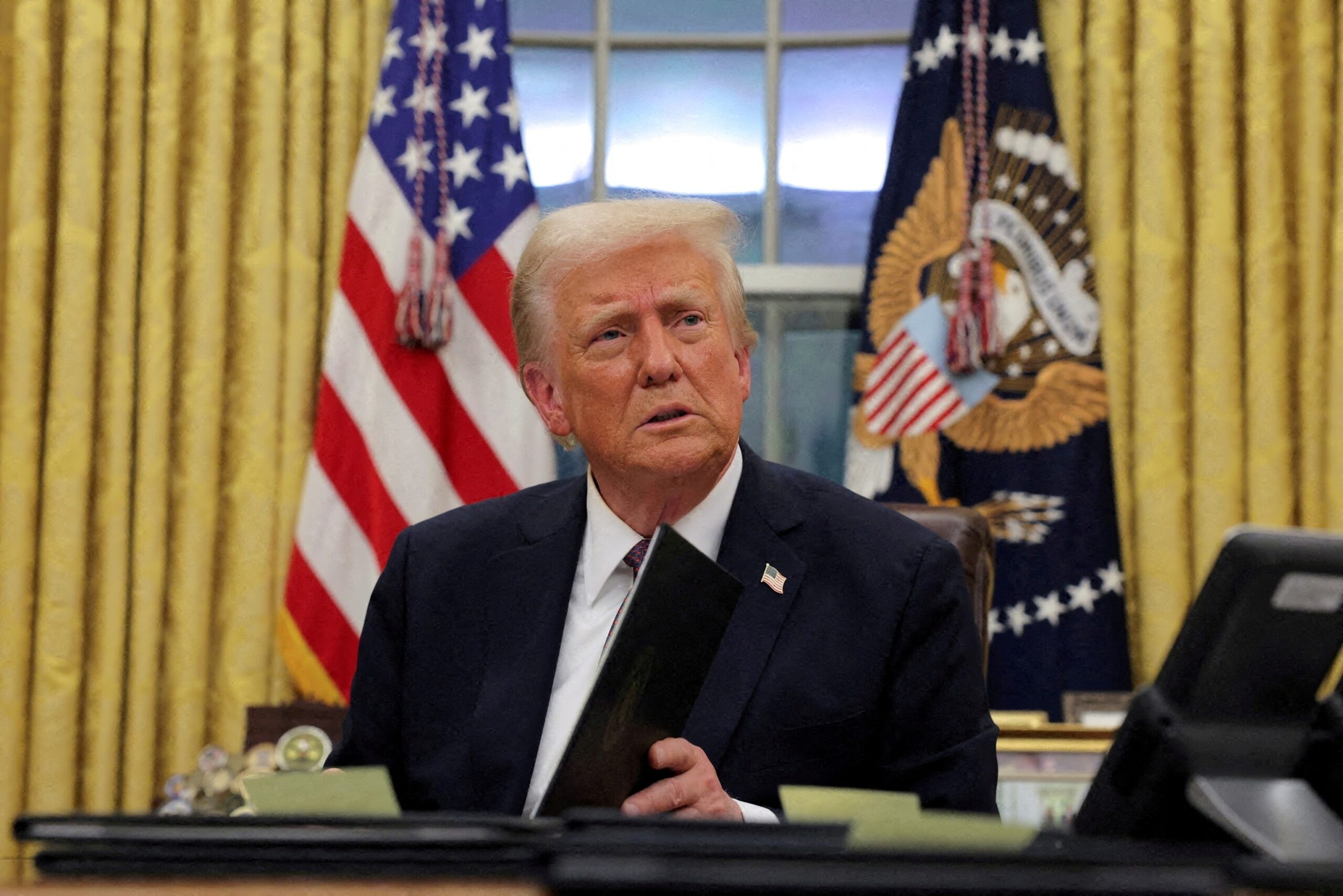
The current crisis was further inflamed by President Donald Trump‘s rhetoric on Tuesday, when he encouraged Iranian protesters to maintain their demonstrations while cryptically promising that “help was on the way,” though he declined to elaborate on what form that assistance might take.
Financial analysts are already adjusting their forecasts in response to the heightened risk environment. Citi analysts upgraded their three-month outlook for Brent crude to $70 per barrel, noting that “protests in Iran risk tightening global oil balances through near-term supply losses, but mainly through rising geopolitical risk premium.” However, they also observed that demonstrations have not yet reached Iran’s primary oil-producing regions, which has so far limited actual supply disruptions.
The rally in oil prices faced headwinds from domestic U.S. inventory data released late Tuesday by the American Petroleum Institute. The figures revealed substantial builds across multiple petroleum product categories, painting a picture of weakening domestic demand in the world’s largest oil consumer.
According to API data, U.S. crude stockpiles swelled by 5.23 million barrels during the week ending January 9. Even more striking were the increases in refined products: gasoline inventories jumped 8.23 million barrels, while distillate stocks—which include diesel and heating oil—rose 4.34 million barrels.
These inventory builds stand in contrast to market expectations. A Reuters poll conducted Tuesday had predicted that crude stockpiles would actually decline last week, though analysts did anticipate increases in gasoline and distillate inventories. Official confirmation is expected later Wednesday when the U.S. Energy Information Administration releases its weekly petroleum status report, which traders will scrutinize for any divergence from the API’s preliminary figures.
Adding another layer of complexity to the global supply picture, Venezuela appears to be reversing course on production cuts implemented during the U.S. embargo period. Three industry sources confirmed that OPEC member Venezuela has begun ramping up oil production as crude exports resume following recent diplomatic developments.
The shift became tangible on Monday when two supertankers departed Venezuelan waters, each laden with approximately 1.8 million barrels of crude. Industry insiders suggest these shipments may represent the initial deliveries under a substantial 50-million-barrel supply agreement between Caracas and Washington, arranged following the U.S. capture of Venezuelan President Nicolas Maduro—a development aimed at restoring Venezuelan oil flows to international markets.
The confluence of these factors—Middle Eastern geopolitical risk, domestic inventory dynamics, and shifting Venezuelan supply—has created a complex trading environment where bulls and bears find ample ammunition for their respective positions. For now, however, the specter of conflict in the world’s most critical oil-producing region continues to command the market’s attention, keeping risk premiums elevated and traders on edge.
As the situation develops, market participants will be watching closely for any signs of actual supply disruptions from Iran, further military movements in the Gulf region, and Washington’s next moves in what has become an increasingly volatile standoff with implications that extend far beyond the energy sector.
WHAT YOU SHOULD KNOW
Oil prices rose for the fifth consecutive day, driven primarily by fears of imminent U.S. military action against Iran and potential retaliatory strikes on American bases in the Middle East. While Brent crude reached $66.32 and WTI hit $61.95 per barrel, the rally was partially offset by rising U.S. inventory levels and Venezuela’s resumption of oil exports.
Geopolitical risk in the Persian Gulf is adding a significant premium to oil prices, with analysts now forecasting Brent could reach $70 per barrel if tensions escalate further. However, Iranian protests have not yet affected actual oil production, meaning current price increases reflect fear rather than real supply disruptions.