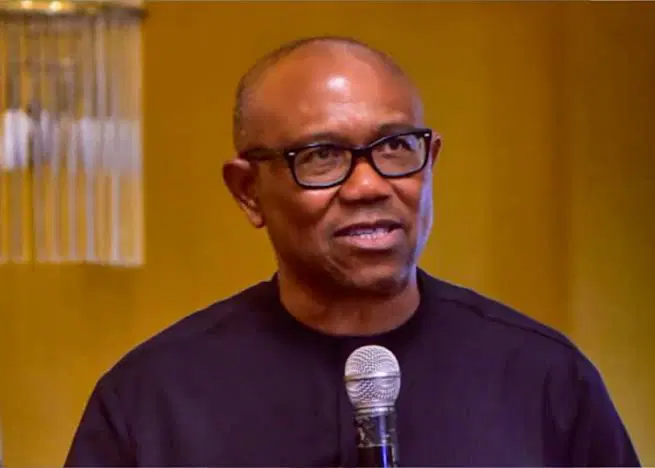
A social media post by Nollywood actor Yul Edochie has ignited widespread reactions online after he made pointed comments about former Labour Party presidential candidate Peter Obi, particularly focusing on his departure from the All Progressives Grand Alliance (APGA).
In the post shared on X (formerly Twitter), Edochie questioned Obi’s decision to leave the party, arguing that a political figure should not exit a political platform due to succession-related issues. He suggested that such a move raises concerns about leadership strength and the ability to withstand pressure in higher office.
Edochie also drew a comparison involving Siminalayi Fubara and his predecessor Nyesom Wike. He argued that unlike Obi, Wike did not abandon his party due to internal succession dynamics, presenting it as an example of political endurance.
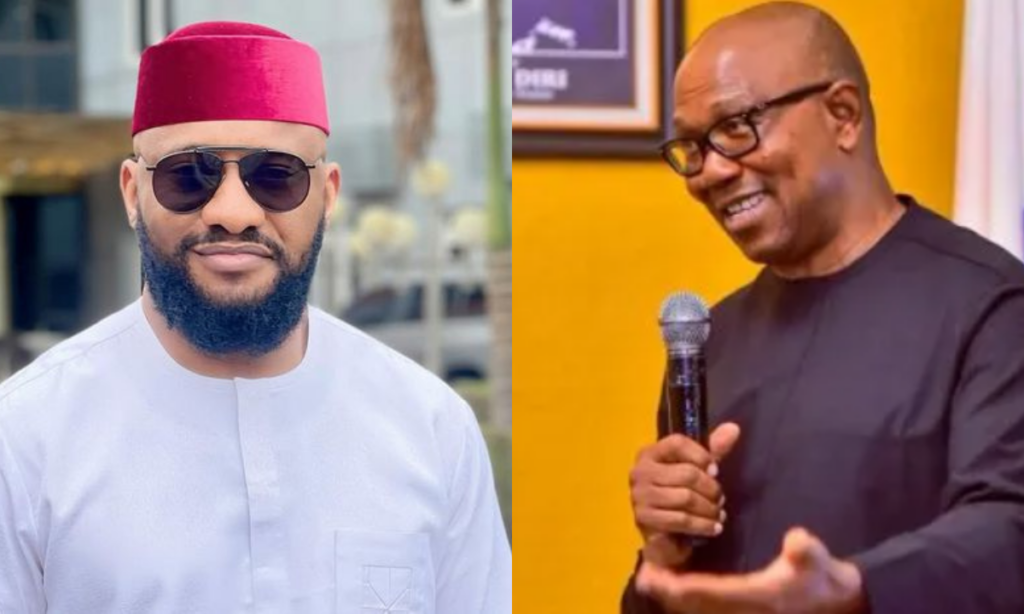
He wrote:
“Peter Obi said he left APGA because of his successor.
What a shame.
How can you leave your party bcos of your successor?
Your successor should be the one to leave the party for you.
It clearly shows you lack strength of character.
Did you see Wike leaving his party for Fubara?
As President people will attack you from all sides, local and international.
So one day you’ll leave the seat for them because of pressure.
Peter Obi lacks the balls to be President.”
The post rapidly gained traction across social media platforms, attracting a mix of reactions from users. While some individuals aligned with his perspective on political consistency and leadership resilience, others criticised the remarks, accusing the actor of misrepresenting political history and making personal attacks.
The exchange highlights how political discourse in Nigeria increasingly plays out on social media, where public figures’ statements often spark intense debate and polarised opinions.
What you should know
The controversy reflects the growing influence of social media in shaping political conversations in Nigeria.
Public figures like Yul Edochie can quickly drive national discourse with a single post, especially when it involves prominent politicians like Peter Obi.
The debate also underscores how past political decisions continue to be scrutinised in present-day narratives. While some view such commentary as part of free expression, others see it as contributing to misinformation or unnecessary personal attacks.
As the 2027 elections approach, online political discussions are expected to become even more intense and influential.