Nigeria, Africa’s most populous nation and largest economy, finds itself at a crossroads. The country that once proudly called itself the “Giant of Africa” now grapples with an unprecedented security crisis that threatens to tear at the very fabric of its existence. From the dusty plains of Borno State, where Boko Haram wreaks havoc, to the dense forests of Zamfara, where bandits hold entire communities hostage, Nigeria’s security challenges have evolved from isolated incidents to a complex web of interconnected threats that demand urgent, comprehensive action.
The Sobering Reality of Nigeria’s Security Landscape
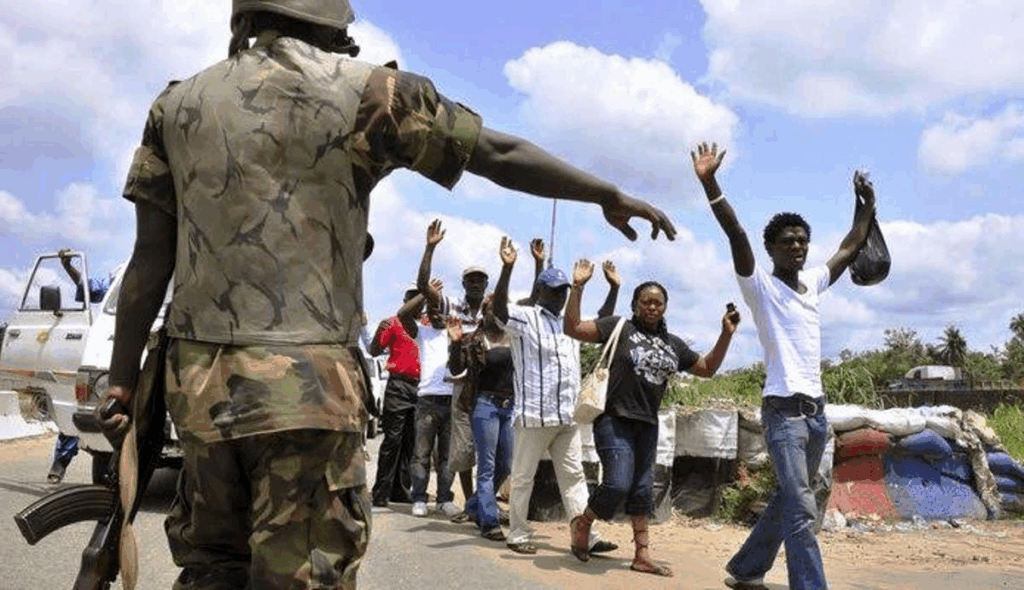
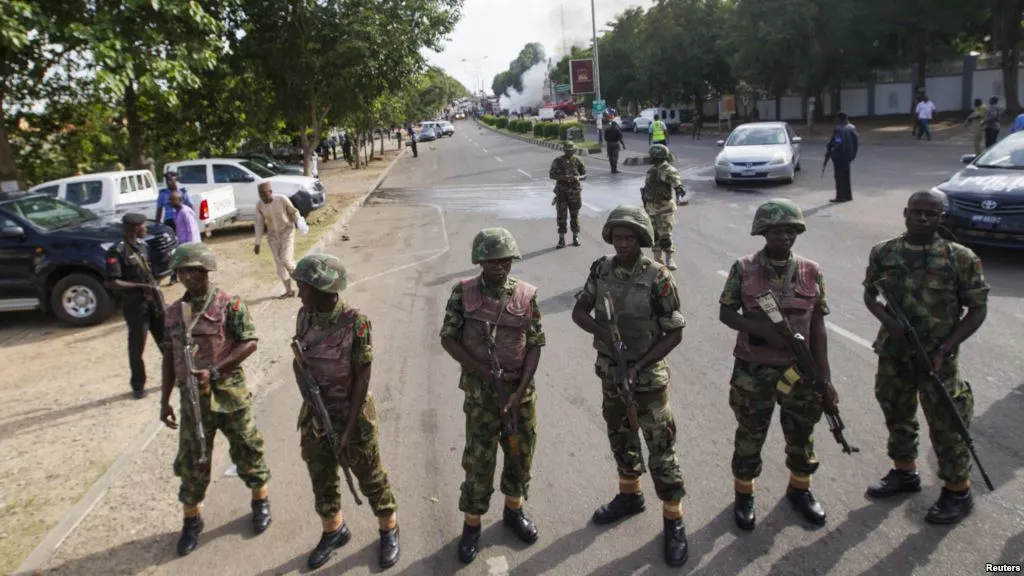
Walking through the streets of major Nigerian cities today, one cannot escape the palpable sense of unease that has settled over the nation. Security checkpoints have become as common as streetlights, while parents think twice before sending their children to school. The statistics paint a grim picture: according to recent reports, Nigeria has lost over 50,000 lives to various forms of violence in the past decade, with millions more displaced from their homes.
The security crisis manifests differently across Nigeria’s six geopolitical zones, each presenting unique challenges that reflect the country’s complex diversity. In the Northeast, the Boko Haram insurgency has claimed over 35,000 lives since 2009, while in the Northwest, banditry has become so prevalent that entire local government areas have been declared no-go zones. The Middle Belt witnesses frequent clashes between farmers and herders, often escalating into communal violence that claims hundreds of lives annually.
Unpacking the Root Causes: A Web of Interconnected Challenges
The Poverty Trap and Youth Unemployment Crisis

Nigeria’s security challenges cannot be divorced from its economic realities. With over 70 million Nigerians living below the poverty line and youth unemployment hovering around 42%, the country has inadvertently created a vast pool of vulnerable individuals susceptible to recruitment by criminal and terrorist organizations. In states like Yobe and Borno, where economic opportunities are particularly scarce, young people often view joining insurgent groups as their only path to economic survival.
The situation is particularly acute in northern Nigeria, where decades of educational neglect have left millions of young people without the skills needed for modern employment. The almajiri system, while culturally significant, has produced generations of young men with limited formal education and few economic prospects. This demographic vulnerability has been expertly exploited by groups like Boko Haram, which offers both ideological purpose and economic incentives to recruits.
Institutional Decay and the Corruption Epidemic
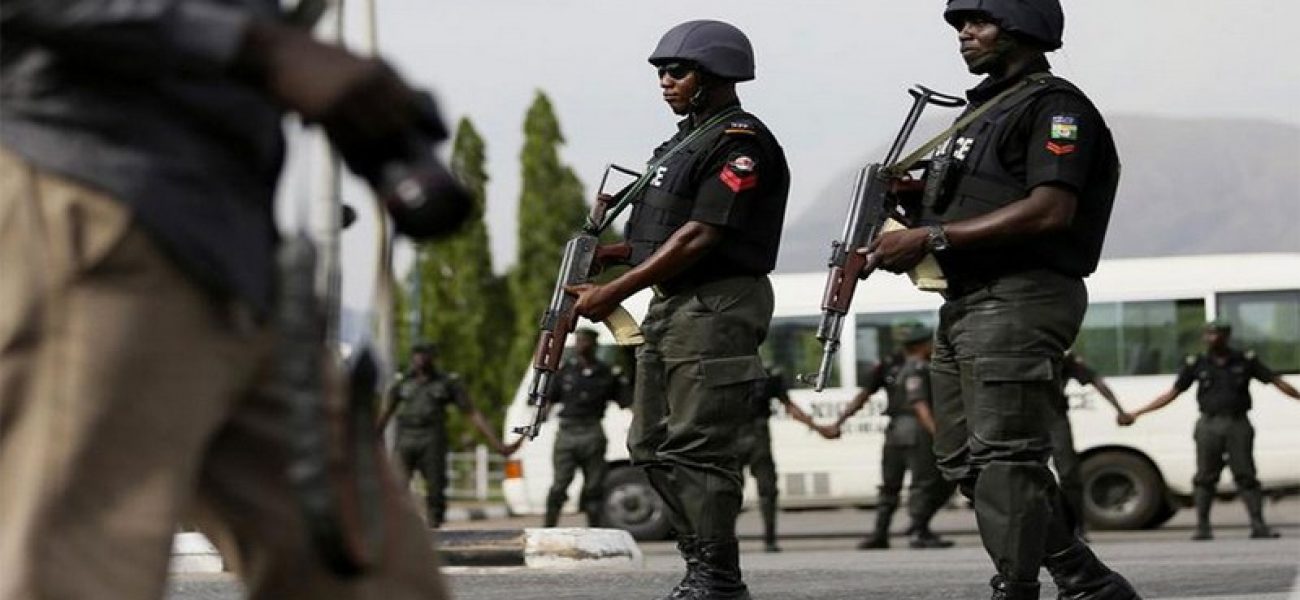
Perhaps no factor has contributed more to Nigeria’s security crisis than the systematic weakening of its institutions through corruption and mismanagement. The Nigeria Police Force, with approximately 400,000 personnel serving a population of over 220 million, is woefully understaffed and under-equipped. The recommended UN ratio of police to citizens is 1:450, but Nigeria operates at roughly 1:550, leaving vast areas of the country inadequately policed.
Corruption within security agencies has created a vicious cycle where criminals can buy their way out of justice. Stories abound of arrested bandits being released after paying bribes, or of security personnel selling weapons to the very criminals they’re supposed to apprehend. This corruption extends beyond the security sector to the judiciary, where cases drag on for years, and to the executive, where political interference often undermines genuine security efforts.
The Ethnic and Religious Powder Keg
Nigeria’s 250+ ethnic groups and major religious divisions, while potentially a source of strength, have become fault lines that criminal and terrorist organizations exploit with devastating effectiveness. The farmer-herder crisis, for instance, has evolved from a traditional resource-based conflict into a complex web of ethnic and religious tensions that politicians and extremists manipulate for their ends.
The politicization of identity has created an environment where every security incident is viewed through ethnic or religious lenses, making it difficult to build the national consensus necessary for effective security responses. This division has been particularly evident in the Southeast, where the Indigenous People of Biafra (IPOB) has capitalized on feelings of marginalization to build support for secessionist activities.
Border Porosity and Regional Instability
Nigeria’s 4,047-kilometer border with Niger, Chad, Cameroon, and Benin Republic has become a highway for arms trafficking, human trafficking, and terrorist movement. The collapse of Libya in 2011 flooded the Sahel region with weapons, many of which found their way into Nigeria through these porous borders. The ongoing instability in the Sahel, including recent military coups in Mali, Burkina Faso, and Niger, has further complicated Nigeria’s security environment.
The Economic Community of West African States (ECOWAS) protocol on free movement, while beneficial for trade and regional integration, has also facilitated the movement of criminal elements across borders. Many of the bandits operating in Northwest Nigeria are reportedly foreign nationals who exploit Nigeria’s border vulnerabilities.
The Many Faces of Insecurity
The Northeast: Boko Haram’s Reign of Terror
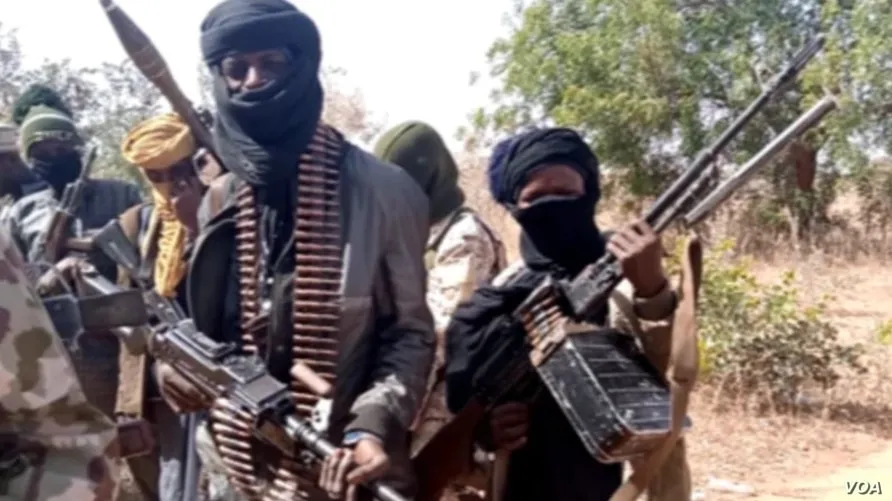
The Boko Haram insurgency represents Nigeria’s most internationally recognized security challenge. What began as a religious sect in Maiduguri has evolved into a sophisticated terrorist organization with tentacles reaching across the Lake Chad Basin. The group’s ability to adapt its tactics—from conventional attacks to suicide bombings and kidnappings—demonstrates a level of operational sophistication that has kept Nigerian security forces on the defensive for over a decade.
The faction led by Abubakar Shekau was known for its extreme brutality, including the infamous Chibok girls kidnapping in 2014. Meanwhile, the Islamic State West Africa Province (ISWAP), which split from Boko Haram in 2016, has focused more on targeting security forces and government infrastructure while presenting itself as a more disciplined alternative to Shekau’s faction.
The Northwest: Banditry and the Kidnapping Economy
The Northwest has emerged as Nigeria’s new epicenter of insecurity, with banditry evolving from cattle rustling to sophisticated criminal enterprises involving mass kidnapping, arms trafficking, and territorial control. States like Zamfara, Katsina, Kaduna, and Niger have become synonymous with banditry, where criminal groups operate with impunity in vast forest areas that serve as their operational bases.
The kidnapping of over 270 schoolgirls from Chibok in 2014 brought international attention to Nigeria’s security crisis, but the Northwest has witnessed even larger mass abductions. The kidnapping of 344 students from Government Science Secondary School in Kankara, Katsina State, in 2020, and the abduction of 279 students from Government Girls Secondary School in Jangebe, Zamfara State, in 2021, demonstrated the bandits’ growing audacity.
The Middle Belt: Farmers, Herders, and Climate Change
The farmer-herder conflict in Nigeria’s Middle Belt represents one of the world’s deadliest conflicts that receives little international attention. Climate change has pushed herders southward in search of pasture and water, bringing them into conflict with farmers over land use. This competition for resources has been exacerbated by population growth, environmental degradation, and the proliferation of small arms.
States like Plateau, Benue, Taraba, and Nasarawa have become flashpoints where hundreds die annually in these clashes. The conflict has taken on ethnic and religious dimensions, with predominantly Muslim herders clashing with largely Christian farmers, creating deep-seated animosities that politicians exploit for electoral gain.
Government Responses: Achievements and Shortcomings
The Nigerian government’s response to these security challenges has been largely militaristic, focusing on kinetic solutions while neglecting the underlying socio-economic drivers of insecurity. Operations like Lafiya Dole, Hadin Kai, and Safe Haven have achieved tactical successes but have failed to address the root causes of conflict.
The establishment of regional security outfits like Amotekun in the Southwest and Ebube Agu in the Southeast represents an attempt to complement federal security efforts with local knowledge and community participation. However, these initiatives have faced legal challenges and accusations of ethnic bias, limiting their effectiveness.
Nigeria’s defense spending has increased significantly, with the country allocating over $3 billion annually to security. However, much of this spending goes to personnel costs and equipment procurement, with little investment in intelligence gathering, community engagement, or addressing the socio-economic drivers of insecurity.
A Roadmap to Sustainable Security
Reforming Security Architecture
Nigeria needs a comprehensive security sector reform that goes beyond increasing personnel and equipment. This reform should focus on improving intelligence gathering, enhancing inter-agency cooperation, and building community trust. The police force, in particular, needs to be transformed from a reactive force to a proactive, community-oriented service.
The creation of state police forces, long advocated by security experts, could provide the local knowledge and accountability necessary for effective security delivery. However, this requires constitutional amendments and careful implementation to avoid creating ethnic or religious militias.
Economic Empowerment and Job Creation
Addressing Nigeria’s security crisis requires massive investment in job creation and economic empowerment, particularly for young people. The country needs to move beyond oil dependency to develop its agricultural, manufacturing, and service sectors. Programs like the N-Power youth employment scheme and the Anchor Borrowers’ Programme represent steps in the right direction but need to be scaled up significantly.
The government should also invest heavily in education, particularly in northern Nigeria, where educational deficits contribute to security vulnerabilities. The integration of Almajiri education into the formal school system could help address both educational and security challenges.
Strengthening Governance and Fighting Corruption
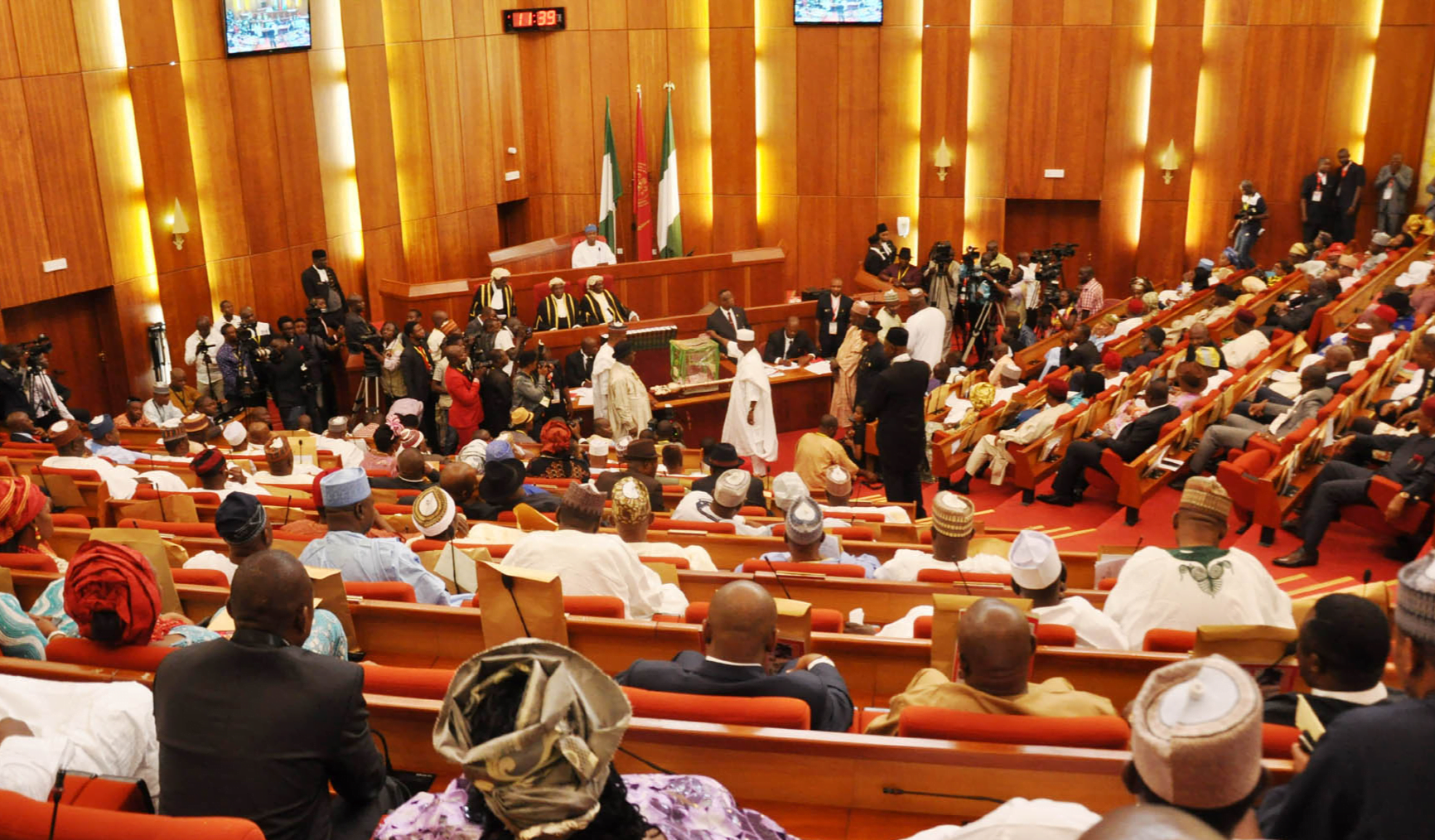
Good governance is fundamental to security. Nigeria needs to strengthen its institutions, enhance transparency, and fight corruption at all levels. The judiciary, in particular, needs reform to ensure timely and fair justice delivery. The use of technology, including biometric systems and digital platforms, can help reduce corruption and improve service delivery.
Community Engagement and Peace Building
Security is not just the responsibility of the government; it requires community participation. Nigeria should invest in community policing, traditional conflict resolution mechanisms, and peace-building initiatives. Programs that bring together different ethnic and religious groups can help build the social cohesion necessary for sustainable peace.
The de-radicalization and reintegration of former insurgents and bandits, though controversial, could be more effective than purely military solutions. Such programs require careful design and community buy-in to be successful.
Regional Cooperation and Border Management
Nigeria cannot address its security challenges in isolation. The country needs to strengthen cooperation with its neighbors on intelligence sharing, joint operations, and border management. The Multi-National Joint Task Force (MNJTF) fighting Boko Haram represents a model that could be replicated for other security challenges.
Investment in border infrastructure, including the use of technology like drones and sensors, can help improve border security while facilitating legitimate trade and movement.
The Path Forward: Hope Amidst Challenges
Nigeria’s security crisis is daunting, but it is not insurmountable. Other countries have faced similar challenges and emerged stronger. Colombia’s transformation from a narco-state to a stable democracy, Rwanda’s recovery from genocide, and Ireland’s peace process offer lessons for Nigeria.
The key is recognizing that security is not just about military strength but about building a society where all citizens have a stake in peace and prosperity. This requires political will, resource allocation, and a long-term commitment to addressing root causes rather than just symptoms.
Nigeria’s diversity, often seen as a source of conflict, can become its greatest strength if properly harnessed. The country’s young population, natural resources, and entrepreneurial spirit provide the foundation for transformation. What is needed is leadership that can unite rather than divide, policies that include rather than exclude, and a commitment to justice and equity.
The time for half-measures and quick fixes has passed. Nigeria needs a comprehensive, long-term strategy that addresses security, governance, and development as interconnected challenges. Only through such an approach can the country hope to overcome its current crisis and fulfill its potential as Africa’s true giant.
The stakes could not be higher. Nigeria’s success or failure will have implications far beyond its borders, affecting regional stability, global security, and the prospects for democratic governance in Africa. The world is watching, and Nigeria must not disappoint.