• About Us
  • Advertise
  • Privacy & Policy
  • Contact Us
  • Terms and Conditions
Wednesday, April 22, 2026
Verily News
No Result
View All Result
  • News
    • Breaking News
    • Global News
  • Politics
    • Political Analysis
    • Government & Policies
  • Business & Economy
    • DIY and FAQ
    • Product Reviews
  • Entertainment
    • Sports
    • Movie
    • Music
  • Technology
  • Trends
  • Fact-Check
    • Investigative Reports
  • Opinion
  • Share your story
  • News
    • Breaking News
    • Global News
  • Politics
    • Political Analysis
    • Government & Policies
  • Business & Economy
    • DIY and FAQ
    • Product Reviews
  • Entertainment
    • Sports
    • Movie
    • Music
  • Technology
  • Trends
  • Fact-Check
    • Investigative Reports
  • Opinion
  • Share your story
No Result
View All Result
No Result
View All Result
Home Business & Economy

Nigeria’s Public Debt Expected to Rise Moderately as Exchange Rate Pressures Ease

December 30, 2025
in Business & Economy
Reading Time: 3 mins read
0
inflation
Share on FacebookShare on TwitterShare on Linkedin
Spread the love

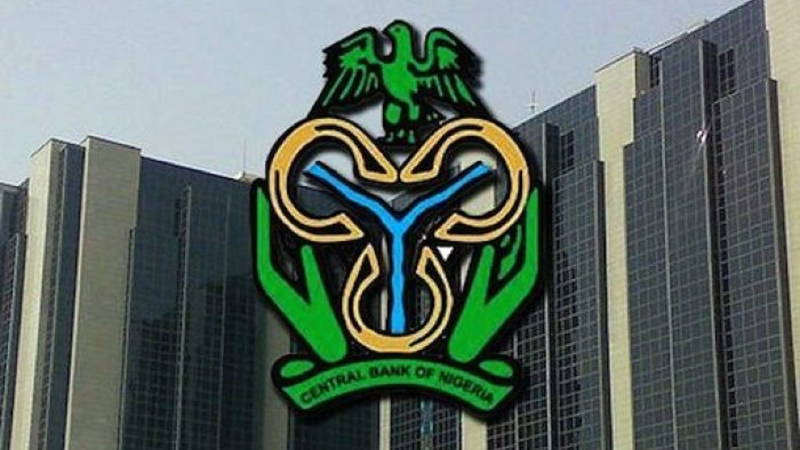
Nigeria’s public debt is set to climb to 34.68 percent of Gross Domestic Product by the end of 2026, though the Central Bank of Nigeria maintains the trajectory remains sustainable as the country emerges from years of currency volatility that artificially inflated borrowing levels.

The projection, disclosed in the CBN’s newly released 2026 Macroeconomic Outlook for Nigeria, represents a modest increase from the 33.98 percent recorded at the end of June 2025, driven primarily by anticipated new borrowings as the federal government continues its discretionary fiscal policy interventions.

However, central bank officials emphasized that the modest uptick masks a fundamental shift in the composition of debt growth, with the traditional culprit behind Nigeria’s ballooning debt burden—exchange rate depreciation—expected to play a significantly diminished role going forward.

For the past three years, Nigeria’s public debt figures have been distorted by what economists call “valuation effects,” a technical term describing how currency depreciation mechanically increases the naira value of foreign-denominated obligations without any actual new borrowing taking place.

Between 2023 and 2025, sharp devaluations of the naira against major currencies, particularly the US dollar, became the dominant factor driving debt accumulation. Each time the naira weakened, the country’s external debt—measured in naira terms—automatically increased, even when no fresh loans were contracted.

“The revaluation effect on public debt, which dominated debt growth between 2023 and 2025 due to sharp exchange rate movements, is expected to narrow significantly in 2026 owing to improved exchange rate stability,” the CBN stated in its outlook document.

This stabilization of the exchange rate, achieved through a combination of monetary policy adjustments and improved foreign exchange liquidity, is expected to substantially reduce these one-off valuation losses that have complicated debt management efforts in recent years.

With currency-related distortions fading, the CBN projects that Nigeria’s debt dynamics in 2026 will be shaped by more conventional fiscal factors: the primary balance—government revenue minus non-interest expenditure—real economic growth, and the impact of recent tax reforms.

The apex bank specifically cited the Tax Act of 2025 as a key support mechanism, suggesting that enhanced revenue mobilization from the new legislation will help finance government operations without excessive reliance on borrowing.

“With these valuation losses easing, debt growth will rely less on one-off adjustments and more on traditional factors like the primary balance, supported by the Tax Act of 2025 and real economic growth,” the central bank noted.

Despite the projected increase, the CBN expressed confidence that Nigeria’s debt remains on a sustainable path. At 34.68 percent of GDP, the country’s debt-to-GDP ratio would remain well below the 55 percent threshold recommended by the Debt Management Office for developing economies and significantly lower than ratios in many advanced economies.

The improving outlook hinges on several key assumptions: sustained exchange rate stability, successful implementation of tax reforms that boost government revenues, and continued economic growth that expands the denominator in the debt-to-GDP calculation.

If these conditions materialize, analysts suggest Nigeria could see improved debt service capacity, lower borrowing costs as investor confidence strengthens, and greater fiscal space for development spending.

However, the projection leaves unanswered questions about the composition and terms of the “expected new borrowings” referenced in the outlook and whether the government can achieve its revenue targets in an economic environment still marked by inflationary pressures and structural challenges.

For a country that has struggled with mounting debt service costs—which consumed a significant portion of federal revenues in recent years—the shift toward more predictable, fundamentally driven debt dynamics offers a measure of relief, provided the underlying assumptions hold.

WHAT YOU SHOULD KNOW

Nigeria’s public debt will rise modestly to 34.68% of GDP by end-2026, but the critical shift is in how that debt is growing. For the first time in three years, debt accumulation will be driven by actual fiscal policy and new borrowing—not by naira depreciation artificially inflating foreign debt values. With exchange rate stability now taking hold, Nigeria’s debt trajectory is becoming more predictable and manageable.

The real test ahead is whether tax reforms and economic growth can generate enough revenue to keep borrowing sustainable without relying on the currency crutch of the past.

Tags: CBNExchange rateNigeriaPublic Debt
Share198Tweet124Share35
Previous Post

Idris Elba Receives Knighthood in Recognition of Charitable Work with Young People

Next Post

NUJ Mourns Seven Journalists Killed in Gombe Road Crash

Related Posts

Dangote

Dangote Begins Crude Oil Production

by Victoria Ogbadu
April 22, 2026
0

The Dangote Group has moved beyond refining, with its Kalaekule oilfield in the Niger Delta now producing crude, marking Africa's...

Oil

Global Oil Prices Fall

by Victoria Ogbadu
April 21, 2026
0

Crude oil prices tumbled more than $1 during Tuesday’s early trading session, as energy markets pivoted from the immediate shock...

Cash

CBN and NCC Sign New MoU

by Victoria Ogbadu
April 21, 2026
0

The Central Bank of Nigeria (CBN) and the Nigerian Communications Commission (NCC) on Monday signed a landmark Memorandum of Understanding...

Dangote Sugar Plans Massive Rights Issue

Dangote Sugar Plans Massive Rights Issue

by Victoria Ogbadu
April 20, 2026
0

Dangote Sugar Refinery Plc has secured shareholder approval to raise up to ₦500 billion through a Rights Issue, one of...

NPA

NPA Retirees Threaten to Shut Down All Ports (See Why)

by Victoria Ogbadu
April 20, 2026
0

Retired workers of the Nigerian Ports Authority (NPA) have issued a stern warning that could bring the nation’s critical maritime...

Load More
Next Post
Rivers NUJ Threatens Media Blackout Over Police Assault on Journalists

NUJ Mourns Seven Journalists Killed in Gombe Road Crash

Photo of Oleksandr Usyk

Usyk Mourns Joshua’s Associates, Describes Fatal Nigeria Crash as Unbelievable Loss

Ondo Amotekun

Amotekun Arrests 39 Suspected Terrorists Fleeing Sokoto After Christmas Airstrikes

Power

Otedola's Power Investment Delivers N896 Billion Return in Record-Breaking Deal

Nigeria vs Uganda

Onyedika’s Brace Powers Super Eagles to Perfect Group Finish at AFCON

Diggs

Stefon Diggs Faces Assault Allegations from Former Personal Chef

NNPC

NNPC Launches Asset Sale to Attract Investment in Struggling Oil Sector

Nigeria Clears N185bn Gas Debt as Tinubu Targets Energy Sector Revival

Tinubu Stands Firm on Tax Reforms Despite Public Backlash, Vows No Suspension

Burna Boy

Burna Boy's 'I Told Them' Tour Becomes Highest-Grossing by African Artist, Earning $30.5 Million

Solid Minerals

Nigeria's Solid Minerals Sector Generates N63.92bn Despite Sharp Monthly Fluctuations

  • Trending
  • Comments
  • Latest
cbn governor olayemi cardoso

CBN Approves Merger Between Two Banks

February 23, 2026
2027: APC Governors Endorse Next Senate President After Akpabio

APC Governorship Candidate Joins ADC

March 16, 2026
NNPC Increases Petrol Price

NNPC Reduces Fuel Price

March 17, 2026
Kenya Airways

Viral video: Drama at Airport as Nigerian Woman Clashes with Kenya Airways Over Visa Issue

0
NLC

NLC Suspends Nationwide Protest Over Telecom Tariff Hike

0
VeryDarkMan

VeryDarkMan Vows to Uncover Truth in Mercy Chinwo and Ex-Manager’s Controversy

0
Blessing CEO

Blessing CEO Issues Apology To Nigerians

April 22, 2026
Nigeria Senate

2027: Senate Names New Minority Whip

April 22, 2026
Tinubu

Tinubu Approves New Appointments

April 22, 2026
Verily News

Copyright © 2025 Verily News.

Navigate Site

  • About Us
  • Advertise
  • Privacy & Policy
  • Contact Us
  • Terms and Conditions

Follow Us

No Result
View All Result
  • News
    • Breaking News
    • Global News
  • Politics
    • Political Analysis
    • Government & Policies
  • Business & Economy
    • DIY and FAQ
    • Product Reviews
  • Entertainment
    • Sports
    • Movie
    • Music
  • Technology
  • Trends
  • Fact-Check
    • Investigative Reports
  • Opinion
  • Share your story

Copyright © 2025 Verily News.

This website uses cookies. By continuing to use this website you are giving consent to cookies being used. Visit our Privacy and Cookie Policy.
Get Breaking News Alerts on WhatsApp