The Nigerian National Petroleum Company (NNPC) has signed a new Memorandum of Understanding (MoU) with China that could become a pivotal shift in Nigeria’s downstream oil landscape.
The agreement, which introduces a Chinese equity partner into Nigeria’s refinery framework, is being viewed by industry stakeholders as both a strategic necessity and a cautious experiment in reform.
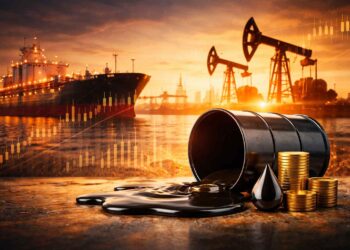
For decades, Africa’s largest oil producer has struggled with chronic refinery underperformance, forcing it to rely heavily on imported refined petroleum products despite its vast crude reserves.
This paradox has not only strained public finances through subsidy regimes but has also exposed the economy to global supply shocks and foreign exchange volatility.
At the heart of the MoU is the promise of fresh capital, technical expertise, and a governance structure that could help address longstanding inefficiencies that have plagued state-owned refineries.
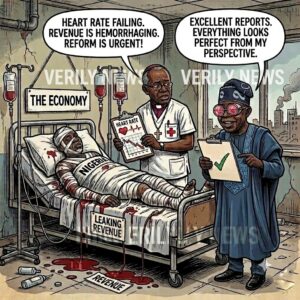
Analysts note that previous rehabilitation efforts have repeatedly fallen short, often bogged down by bureaucratic bottlenecks, underfunding, and weak operational accountability.
By bringing in a foreign equity partner, particularly from China, a country with a strong track record in large-scale infrastructure financing and execution, the government appears to be signaling a shift toward more pragmatic, market-oriented solutions.
However, while the deal has generated a wave of cautious optimism, experts warn that its success will ultimately depend on transparency, clear contractual terms, and insulation from political interference.
Concerns persist about the risk of repeating past mistakes, where ambitious agreements failed to translate into measurable improvements on the ground.
Economically, the stakes are high. A functional refining sector could significantly reduce Nigeria’s import bill, stabilize domestic fuel supply, and potentially position the country as a net exporter of refined products within West Africa.
It could also ease pressure on the naira by lowering demand for foreign exchange used in fuel imports.
Politically, the move may help the government demonstrate progress in tackling one of the most visible symbols of systemic inefficiency in the oil sector.
Still, some industry observers are adopting a wait-and-see approach. They argue that while the inclusion of an equity partner introduces a level of financial discipline, the broader institutional environment, ranging from regulatory consistency to security of infrastructure, will play a decisive role in determining outcomes.
For now, the MoU represents a tentative but notable step forward. It reflects an acknowledgment that domestic capacity challenges cannot be resolved in isolation and that strategic partnerships may be key to unlocking long-delayed reforms.
As Nigeria navigates this latest attempt at reform, the success or failure of the initiative could serve as a defining moment for the country’s broader energy transition strategy and economic resilience.
WHAT YOU SHOULD KNOW
The Nigerian National Petroleum Company (NNPC) has signed a new Memorandum of Understanding (MoU) with China.
Nigeria’s refinery revival effort hinges on whether this new Chinese-backed partnership can finally deliver what past reforms could not—efficient, transparent operations that reduce fuel imports and strengthen the economy.