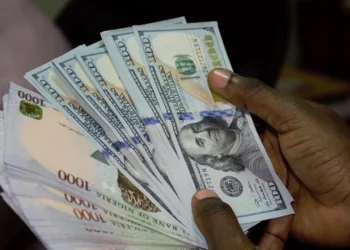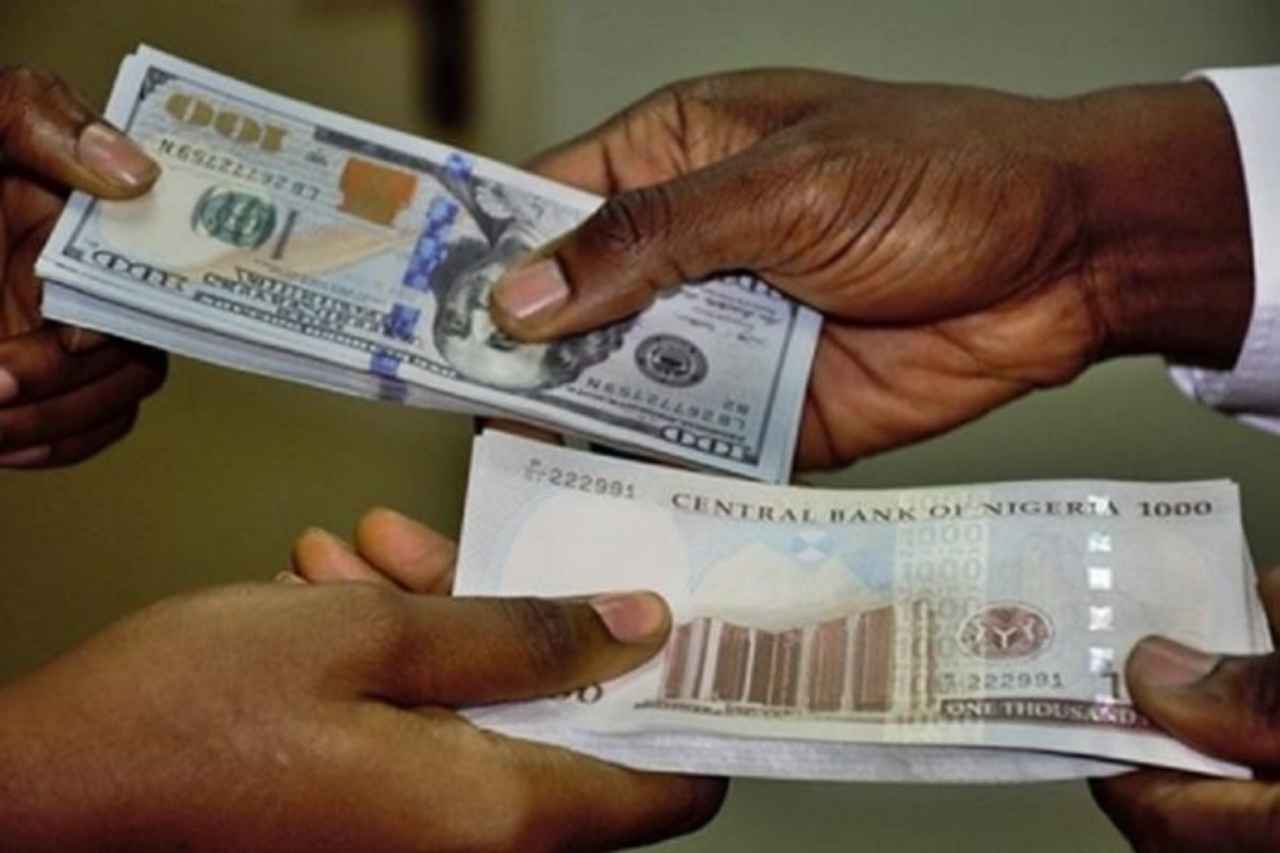
The Nigerian naira put in a relatively composed performance against the United States dollar on Thursday, trading at ₦1,371.36 at the official Nigerian Foreign Exchange Market (NFEM), even as the greenback commanded a steeper premium of up to ₦1,410 in the unofficial, or parallel, market.
The dual-rate snapshot underscores a currency market that, while still split along regulated and informal lines, has shown signs of settling into a tighter trading band in recent sessions, a development analysts are watching closely as a barometer of liquidity and investor sentiment in Africa’s most populous economy.
At the NFEM, the platform through which banks, licensed foreign exchange dealers, investors, and other authorized participants conduct dollar trades under the supervision of the Central Bank of Nigeria (CBN), the naira’s Thursday print of ₦1,371.36 per dollar continues to serve as the country’s benchmark rate for official transactions.
The CBN derives this figure as a volume-weighted average of trades executed on the platform, and it stands as the official exchange rate for the day. That methodology means the published rate is not fixed by fiat but emerges from actual buy-and-sell activity among market participants, giving it a market-driven character even though it remains within the central bank’s regulatory perimeter.
Traders and market watchers say the relative steadiness of the official rate in recent weeks reflects the cumulative effect of foreign exchange reforms the CBN has pursued to unify and stabilize the market, reduce arbitrage opportunities, and encourage more dollar liquidity to flow through formal channels rather than around them.
Away from the regulated window, currency dealers operating in the parallel or “black” market quoted the dollar on Thursday at roughly ₦1,405 for buying and ₦1,410 for selling, a premium of roughly ₦34 to ₦39 over the official rate.
That gap, while narrower than the wide chasms that have periodically opened between the two markets in the past, still speaks to a persistent reality: not every business, importer, or individual seeking dollars can reliably source them through banks and licensed dealers, pushing residual demand into informal channels where prices are set purely by street-level supply and demand.
Recent daily movements illustrate just how sensitive the parallel rate remains to shifting demand pressures.
Earlier in the week, the naira had traded in a somewhat wider band in the unofficial market, with dealers citing elevated dollar demand from importers and corporate end-users, including, according to some market commentary, additional pressure tied to petroleum-related transactions. The narrowing seen by Thursday suggests that pressure may have eased somewhat, even if only modestly.
Currency analysts consistently point to the spread between the NFEM and parallel market rates as one of the more useful real-time gauges of Nigeria’s foreign exchange health. A wide gap typically signals thin dollar liquidity in the formal market and lingering distrust or unmet demand that spills into informal trading.
A narrowing spread, by contrast, is generally read as evidence of improving liquidity conditions and, by extension, firmer investor confidence in the durability of the CBN’s reform agenda.
By that yardstick, Thursday’s figures paint a cautiously encouraging picture, though few analysts are prepared to call the convergence definitive.
Nigeria’s foreign exchange market has whipsawed before, with the parallel rate drifting toward ₦1,400 and beyond within the space of a single week in the recent past, only to ease back as central bank interventions or shifts in oil receipts altered the supply picture.
Trading volumes at the NFEM have also drawn attention from market participants, with turnover in the official window fluctuating sharply from session to session in recent weeks, a pattern dealers attribute to lumpy dollar inflows from oil exports, portfolio investment, and diaspora remittances rather than any single structural shift.
That volatility in volume, even amid relative price stability, is a reminder that Nigeria’s currency market, despite the reforms of recent years, has not yet achieved the kind of deep, consistently liquid two-way market that would insulate the naira from episodic swings.
For now, both markets remain in a holding pattern: stable by the standards of Nigeria’s recent currency history, but with the parallel market still extracting a meaningful premium over the official rate.
Businesses reliant on imported inputs, travelers converting naira for dollar expenses abroad, and remittance recipients will continue to feel that spread most directly in their day-to-day transactions.
As always, both the official and parallel rates are subject to change within the trading day itself, shaped by shifting demand, supply conditions, transaction volumes, and broader market sentiment, and parallel market quotes can vary from dealer to dealer and city to city.
Market participants say the coming weeks, particularly any fresh signals from the CBN on FX policy or oil revenue performance, will be key to determining whether Thursday’s narrower gap holds or proves to be another temporary lull in a still-evolving currency story.
WHAT YOU SHOULD KNOW
The naira held relatively steady on Thursday at ₦1,371.36 at the official NFEM versus up to ₦1,410 in the parallel market.
That roughly ₦34–39 gap between the two markets is narrower than it’s been in recent weeks, and a narrowing spread is generally a good sign, pointing to improving dollar liquidity and firmer investor confidence in Nigeria’s FX reforms.
Still, the gap hasn’t closed entirely, meaning many Nigerians will keep turning to the informal market to meet urgent dollar needs, and the situation remains fluid enough that it could widen again depending on demand, supply, and oil-revenue inflows in the weeks ahead.