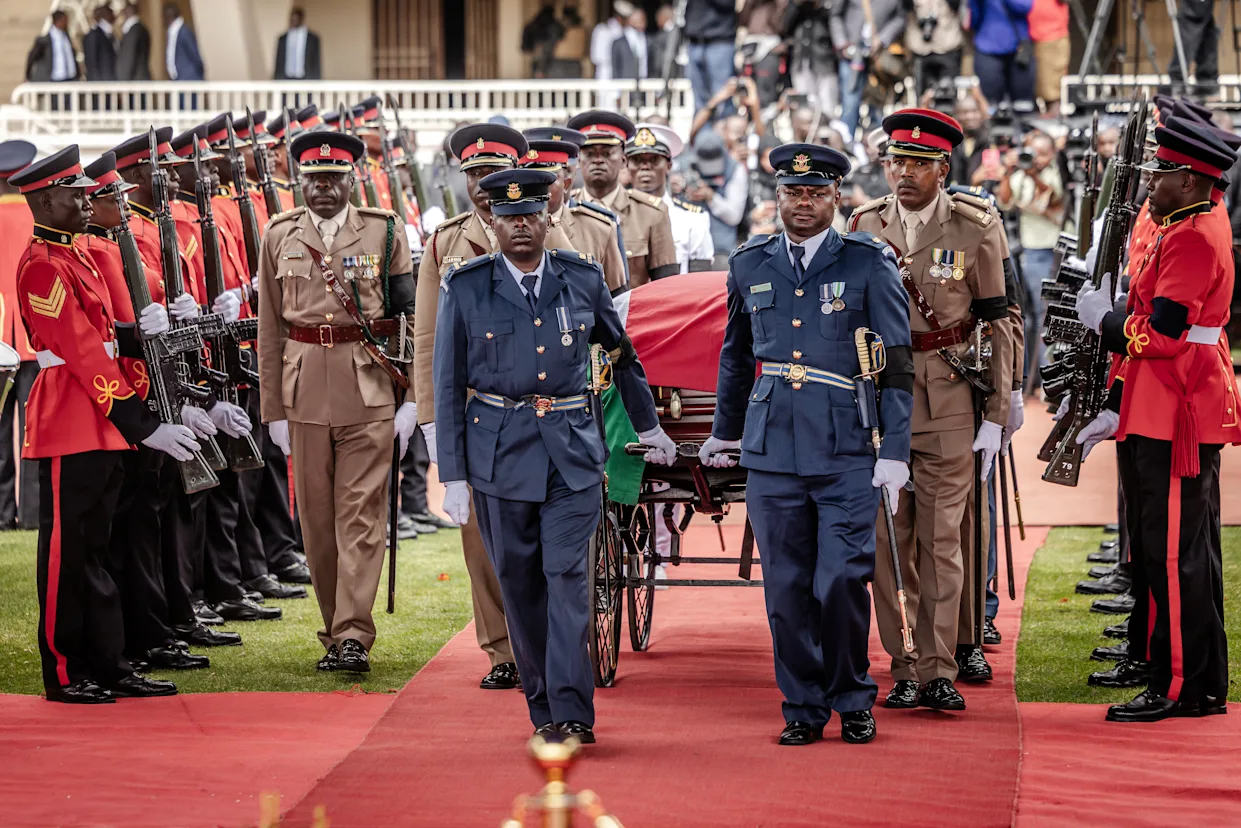
Kenya held a state funeral in Nairobi on Friday for the late opposition icon Raila Odinga, just a day after deadly clashes erupted when security forces opened fire on mourners, killing at least three people.
Odinga, fondly called “Baba” (father) by his supporters, died at 80 in southern India on Wednesday following a suspected heart attack, sparking an outpouring of sorrow across the nation.
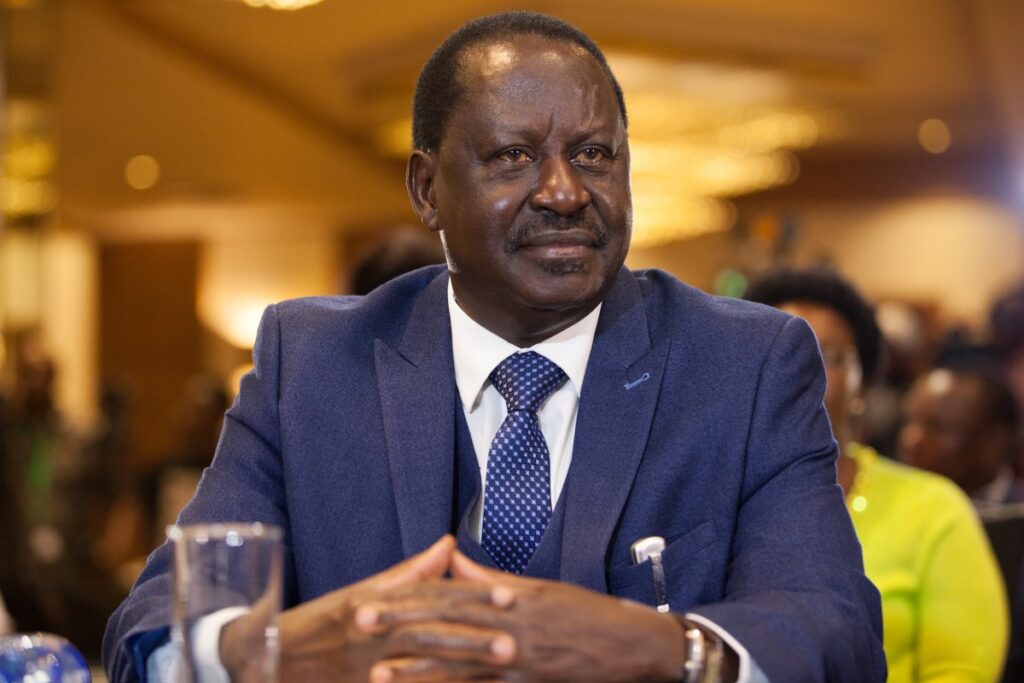
A towering figure in Kenyan politics, Odinga served as prime minister from 2008 to 2013 but never captured the presidency despite five attempts. Still, his legacy remains deeply woven into Kenya’s democratic fabric, from championing multi-party reforms in the 1990s to driving the adoption of the progressive 2010 constitution.
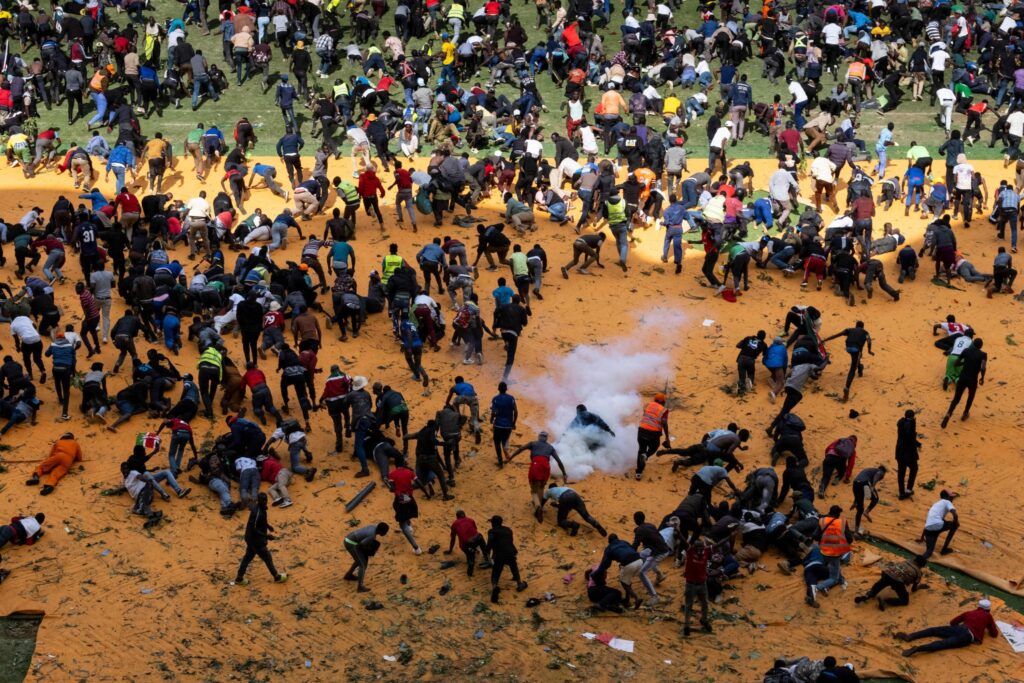
Tensions flared on Thursday when his remains arrived in Nairobi. Massive crowds thronged the Kasarani Stadium to view his body, leading to chaos as people pushed toward a VIP gate. Rights group VOCAL Africa confirmed that three people were killed when security forces opened fire, their bodies later taken to City Mortuary.
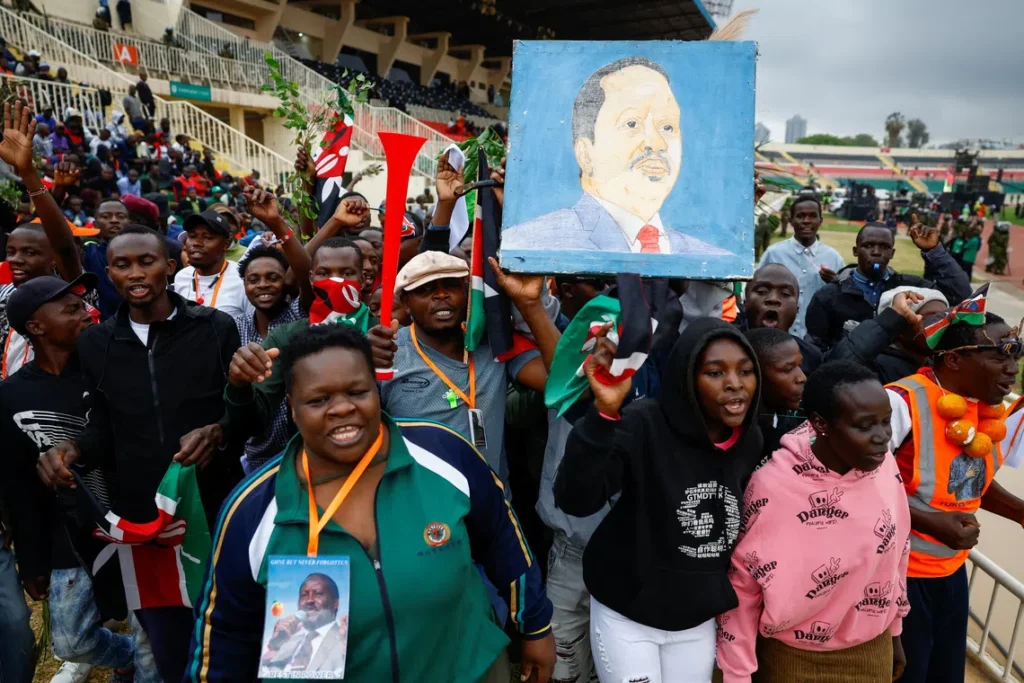
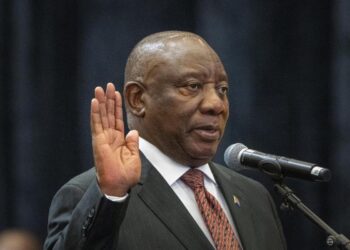
On Friday, President William Ruto joined regional leaders, including Somalia’s President Hassan Sheikh Mohamud, at Nyayo Stadium to pay their respects. Odinga’s body will proceed to his family’s ancestral home in western Kenya, where thousands more are expected to gather before a private burial on Sunday.
His passing leaves a significant void in Kenya’s opposition movement, which now faces uncertainty ahead of the 2027 elections.
What you should know
Raila Odinga, one of Kenya’s most influential post-independence leaders, was a symbol of resilience and reform.
Despite never winning the presidency, his advocacy for democracy, civil rights, and constitutional change cemented his place in history as the moral heartbeat of Kenyan politics.