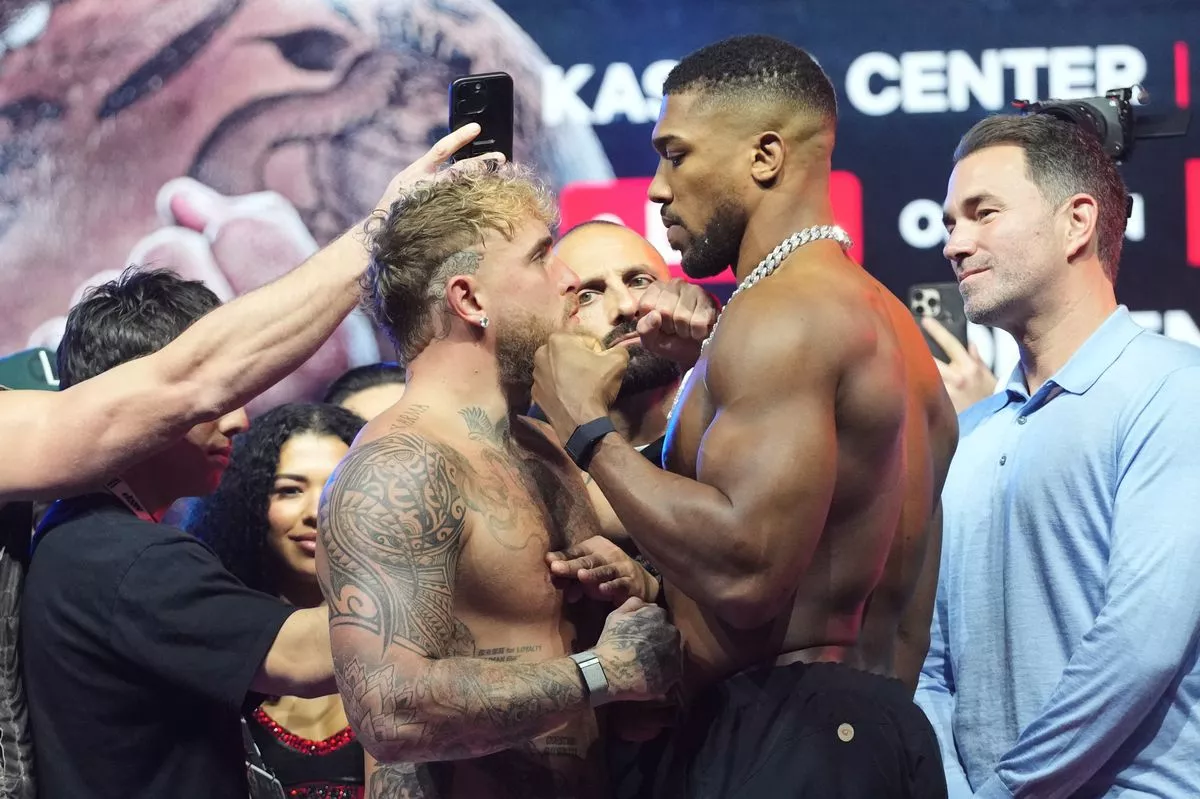
Anthony Joshua and Jake Paul are set to come face to face on Friday in Miami in a professional heavyweight bout that has sparked enormous attention and renewed debate about safety in modern boxing, particularly for Paul.
The contest, scheduled for eight three-minute rounds at the Kaseya Centre, brings together two fighters whose paths into the sport could hardly be more different.
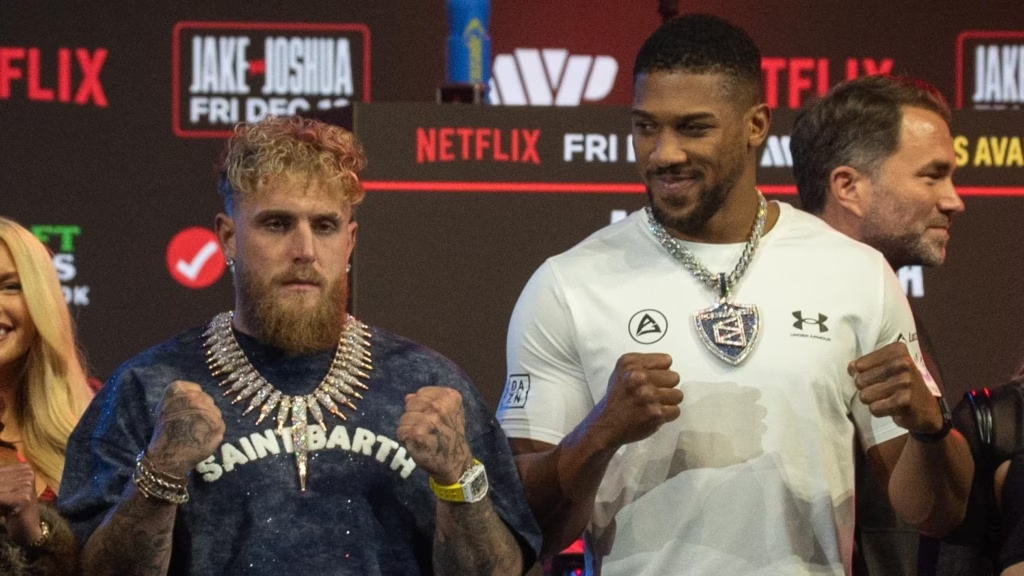
Joshua entered the professional ranks in 2013 after winning Olympic gold, building his reputation through traditional boxing excellence. Paul, by contrast, rose to fame as a teenage social media personality before reinventing himself as a prizefighter. More than ten years later, both now occupy the same ring, in a matchup that blends spectacle, commerce and controversy.
For Joshua, the fight is not about preserving boxing orthodoxy. “I’m not worried about what people think about the integrity side. I’m more worried about ‘Are they talking?’” he said. “That’s the whole point of this fight.” His comments underline the promotional logic behind the bout, which has dominated headlines and social media in the build-up.
Paul, who has leveraged his online following into a lucrative boxing career, has projected confidence ahead of the fight, insisting he has “no fear” and promising to “shock the world” by defeating Joshua and crowning himself the “king of boxing”. The American has turned crossover appeal into commercial muscle, drawing audiences far beyond traditional boxing fans.
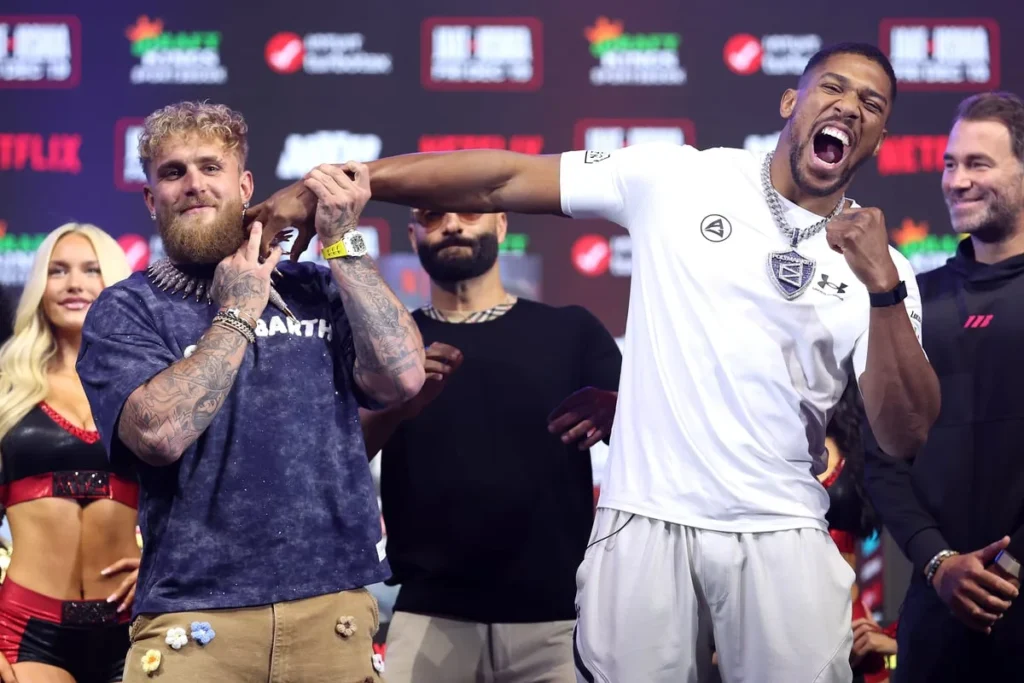
The mood around the event briefly appeared light-hearted earlier in the week, with images circulating of both fighters laughing and racing speedboats along the Miami River. That tone shifted, however, when Joshua addressed the realities of the contest. The former heavyweight champion made it clear that this was a fully sanctioned professional fight and that he would not be holding back.
Joshua, who has recorded 25 knockouts in 28 victories, dismissed questions about additional safeguards, noting that Paul would be protected only by standard equipment. He explained that while knockouts often follow a “methodical process”, he would take the opportunity to end the fight early if it presented itself.
Money has played a central role in driving the matchup. Paul claimed on social media that the combined purse could reach £210 million, a figure that reflects his growing commercial influence in the sport, amplified by streaming partnerships with platforms such as Netflix.
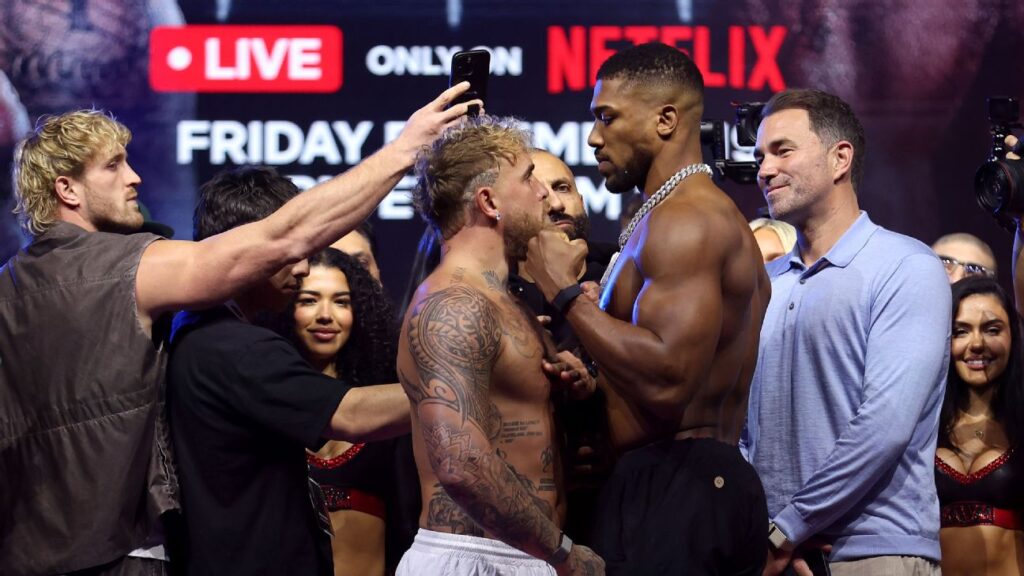
From Joshua’s perspective, the fight also serves a strategic purpose. He has not boxed since losing to Daniel Dubois in September 2024 and has competed in the United States just once before. With American audiences far more familiar with Paul, the bout offers Joshua a chance to reintroduce himself to boxing’s most lucrative market and position himself for future high-profile contests.
Despite expectations of a massive global audience, unease persists within boxing circles. Critics argue that beneath the hype lies a genuine heavyweight fight with real dangers, reminding observers that spectacle does not erase the risks inherent in the sport.
What you should know
The Anthony Joshua versus Jake Paul fight represents a collision between traditional elite boxing and modern crossover entertainment.
While the bout promises huge financial rewards and global attention, it has also raised serious concerns about safety and sporting integrity. Joshua approaches the contest as a professional opportunity to rebuild momentum in the US market, while Paul views it as a chance to cement his legitimacy as a boxer.
Regardless of perception, the fight is a sanctioned heavyweight contest, meaning the physical risks are real and the outcome could have lasting consequences for both men and for boxing’s evolving image.