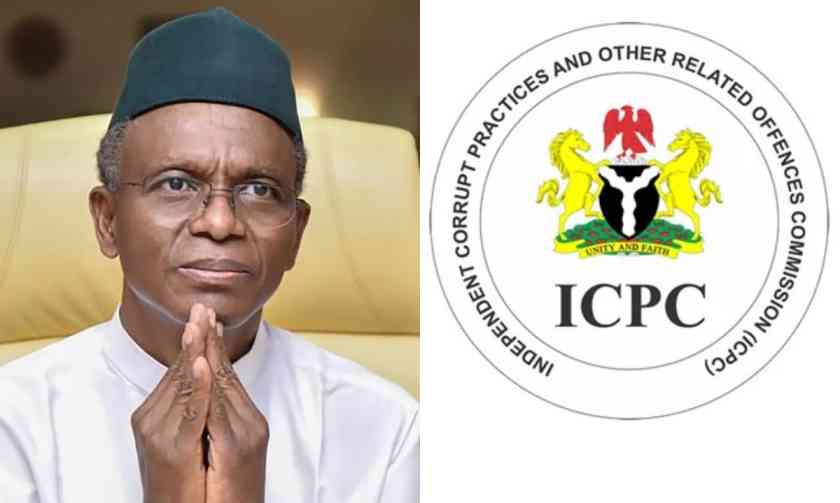
The Independent Corrupt Practices and Other Related Offences Commission (ICPC) has explained why senior officials of the African Democratic Congress (ADC) were prevented from seeing former Kaduna State governor, Nasir El-Rufai, while in custody.
The clarification comes after the ADC accused the anti-corruption agency on Friday of denying its leaders access to El-Rufai during a visit to the commission’s headquarters in Abuja.
The opposition party had alleged that the restrictions surrounding El-Rufai’s detention were raising concerns about possible political persecution. ADC also claimed that members of the former governor’s family complained about limited access to doctors, food, and visitors despite his voluntary appearance before authorities.
However, ICPC spokesperson, Okor Odey, dismissed the allegations, describing the claims made by the party as “false and misleading.”
Speaking with The Cable, Odey explained that the commission acted strictly in line with an existing court order governing access to the former governor while in custody.
According to him, the commission had already communicated its decision to the party in an official letter dated May 21, 2026, which was acknowledged by ADC representatives the following day.
“We wrote them an official letter declining their request to visit. The reasons are in the letter. The category of persons we are to give access is clear in the court order,” Odey said.
In the letter signed by S. Yahaya, Director of Operations at the ICPC, the commission explained that El-Rufai is currently facing trial before both the Kaduna State High Court and the Federal High Court sitting in Kaduna.
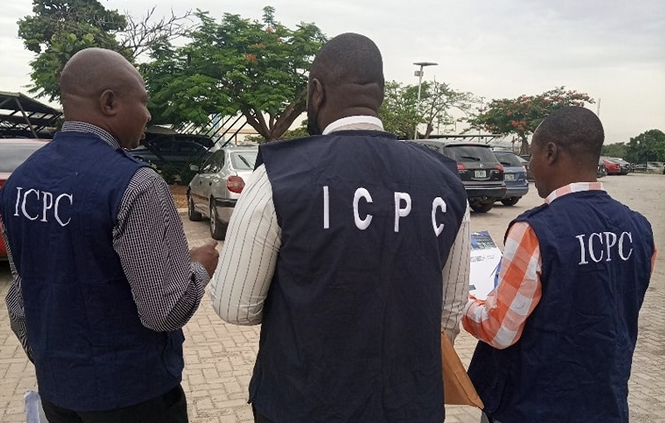
“Though the defendant is in the Commission’s custody by order of both courts, the court is fully seised of the matter,” the letter stated.
The agency further clarified that the courts had only approved access to specific individuals connected to the case.
“The court has granted access to the defendant to his family, doctors and counsel. These are the only category of persons granted access to see the defendant in the Commission’s custody. Consequently, the application cannot be granted,” the letter added.
The ICPC also addressed concerns raised by the ADC over the presence of armed security personnel at the commission’s premises during the visit by party leaders.
According to Odey, the deployment of police officers around the facility was part of standard security procedures and not specifically targeted at intimidating opposition figures or party officials.
The controversy began after ADC leaders, including former Osun State governor Rauf Aregbesola and other senior party members, alleged that they were denied access to El-Rufai without explanation while attempting to visit him in Abuja.
The matter has continued to generate debate online, with supporters of the opposition accusing security agencies of using legal procedures to isolate political figures, while others argue that law enforcement institutions must strictly obey court directives.
What You Should Know
Nasir El-Rufai’s detention has remained a major political issue in Nigeria, especially among opposition parties ahead of the 2027 general elections.
The ADC recently adopted El-Rufai as one of its prominent political figures after his growing involvement in opposition coalition discussions. His supporters believe the investigations and restrictions around him may be politically motivated, while authorities insist the matter is purely legal and guided by court orders.
The ICPC maintains that only family members, doctors, and legal counsel are permitted access to the former governor based on judicial directives.
The controversy has further intensified debates over political persecution, opposition rights, and the role of anti-corruption agencies in Nigeria’s political climate.