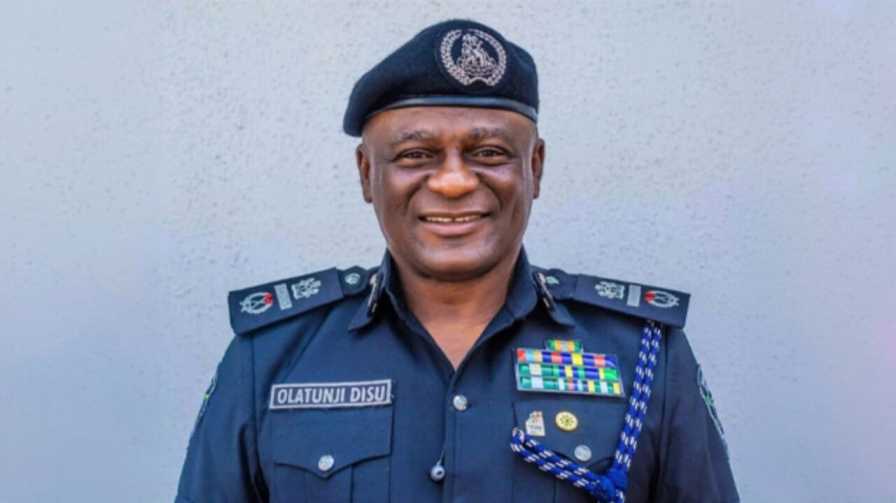
The newly confirmed Inspector-General of Police, Tunji Disu, on Wednesday inaugurated an eight-member committee tasked with driving the implementation of state police and executing his broader policing vision.
The development followed his confirmation as the 23rd indigenous IGP, marking a significant transition in the leadership of the Nigeria Police Force.
At his first official meeting with senior officers after his confirmation, Disu announced that Professor Olu Ogunsakin would chair the state police implementation committee. His elevation to the top police position came after the Nigeria Police Council unanimously ratified his appointment, effectively clearing the path for his swearing-in by President Bola Tinubu at the Presidential Villa.
Speaking to the force’s top hierarchy, the IGP stressed that leadership is “not about position but responsibility,” urging officers to prioritise professionalism and accountability in all commands across the country.
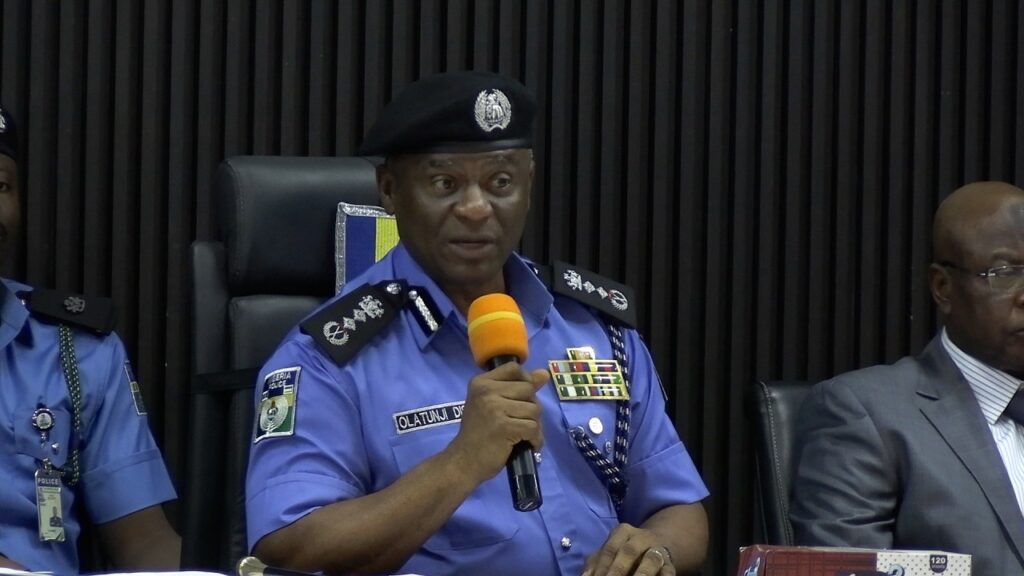
He maintained that the true strength of authority lies in restraint and insisted that respect for human rights must remain a non-negotiable principle in police operations. According to him, every Nigerian must be treated with dignity, fairness, and justice, irrespective of social standing or background.
Disu further outlined plans to reinforce internal monitoring structures within the Force. He directed that both the Public Complaint Unit and the X-Squad be strengthened and allowed to function independently to ensure discipline, transparency, and public trust.
Addressing the issue of decentralisation, the IGP explained that the proposed state police framework would enable various tiers of government to assume more direct roles in security administration. He said such a structure would improve responsiveness to local threats and enhance coordination in tackling crime.
His appointment as Acting Inspector-General of Police on February 24, 2026, followed the resignation of his predecessor, Kayode Egbetokun. The leadership change occurred after a meeting between the outgoing IGP and President Tinubu at the Presidential Villa in Abuja, after which the Police Council gave its unanimous endorsement.
Disu is expected to take the oath of office as substantive IGP during a Federal Executive Council meeting. His assumption of office comes at a time when Nigeria continues to grapple with mounting security concerns, including increased incidents of kidnapping, banditry, and attacks on communities.
The state police initiative, strongly backed by the current administration, represents a central component of ongoing security sector reforms designed to decentralise policing powers and strengthen grassroots security operations.
What you should know
Tunji Disu’s confirmation as the 23rd indigenous Inspector-General of Police signals a new chapter for Nigeria’s security architecture.
His immediate focus on implementing state police and strengthening internal accountability reflects the administration’s broader decentralisation agenda. By empowering oversight units and advocating professionalism rooted in responsibility, Disu is positioning the Nigeria Police Force for structural reform.
His leadership comes at a critical period marked by persistent security threats, and the success of the state police framework could redefine how law enforcement operates at federal and local levels nationwide.