Let me talk to you straight, like we’re sitting over a bottle of malt or a cup of tea, discussing what’s really going on in Nigeria’s oil business.
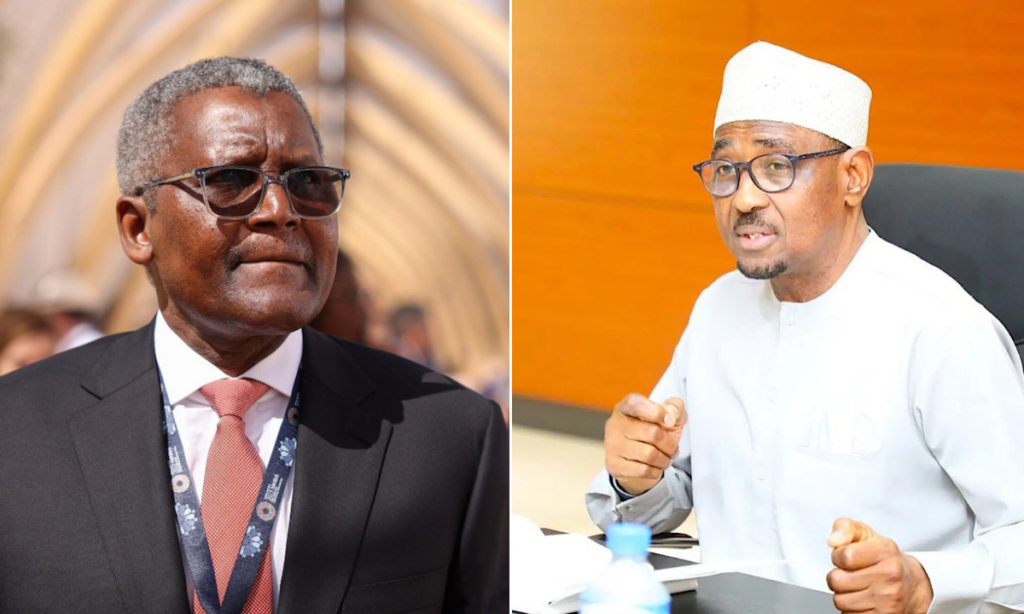
This week, two big men in charge of regulating our petroleum industry, Engr. Farouk Ahmed of NMDPRA (the downstream and midstream regulator) and Engr. Gbenga Komolafe of NUPRC (upstream), quietly resigned. And the reason everyone is talking? Aliko Dangote, Africa’s richest man, openly accused Ahmed of corruption and “economic sabotage” just days before.
For the average Nigerian hustling every day, paying high fuel prices, dealing with long queues, and watching the naira fall, this drama isn’t just gossip. It affects your pocket directly. So let me break it down simply: the good side, the bad side, and what we need to do so this kind of thing doesn’t keep happening.
The Good That Could Come Out of This
First, the positive. Dangote’s refinery in Lekki is a game-changer. It’s huge, one of the largest in the world, and when it operates at full capacity, it can produce enough petrol, diesel, and aviation fuel for Nigeria and potentially export it to other countries. That means we could finally stop spending billions of dollars every year importing fuel. Less importation means more dollars staying in Nigeria, resulting in a stronger naira and cheaper goods and transport.

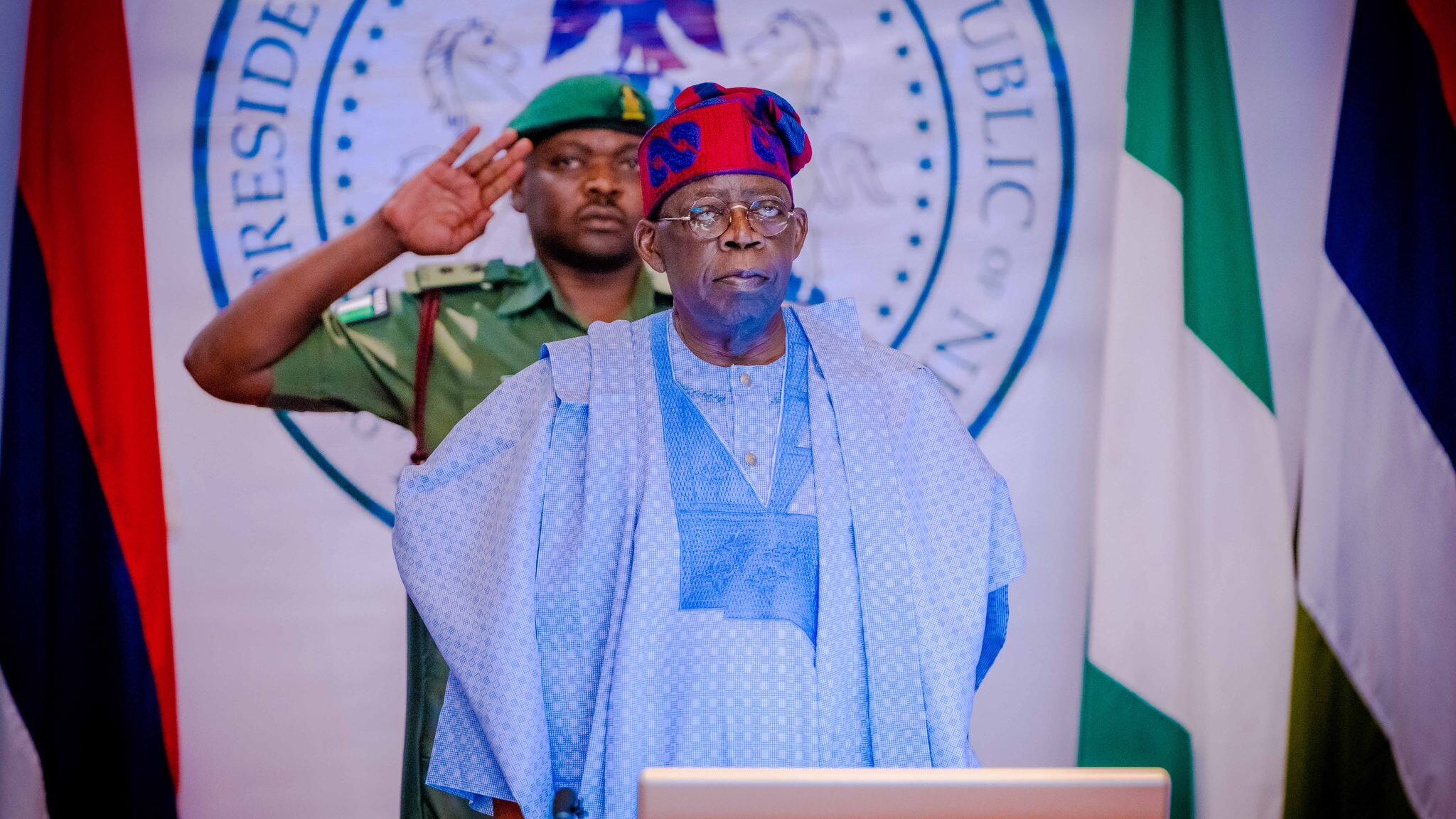
If Ahmed truly blocked or delayed things to favour importers (as Dangote claims), his exit could clear the way for policies that support local refineries. Imagine fuel dropping to something reasonable, transport costs falling, food prices easing a bit, and thousands of new jobs around the refinery. For you and me, that’s real relief. President Tinubu moving fast to appoint new regulators, experienced people from NNPC, shows he wants stability and progress. If they do their job well, we might finally see the benefits of the Petroleum Industry Act (PIA) that has been talked about for years.
The Not-So-Good Side
But let’s be honest, there are risks too. Right now, there’s a vacuum at the top of these agencies. Decisions might slow down, licences could be delayed, and investors might get nervous. In the short term, fuel scarcity or price spikes could still happen.
More worrying is the bigger picture: if a regulator can be accused of taking sides with importers (who make money bringing in fuel) instead of supporting a Nigerian refinery, it shows how deep the rot goes. We’ve been exporting crude oil for decades and importing finished petrol, paying foreign refineries while our own stay broken. That system has kept fuel expensive and enriched a few people at the expense of millions of us.
And if Dangote’s personal allegations against Ahmed turn out to be exaggerated or unproven, it could make people think this is just one billionaire fighting to control the market. Nobody wants a situation where one company has too much power and can dictate prices.
What Needs to Happen Next So This Doesn’t Repeat
If the corruption claims against Ahmed are true and the ICPC is investigating, we can’t just let it end with a resignation. We need real change so the next regulator isn’t tempted the same way:
- Stronger rules and independence: Regulators should have fixed terms, proper oversight, and publish their assets every year. No more quiet wealth that raises eyebrows.
- Support local production first: Government policy must clearly say, “We prioritise Nigerian refineries.” Import licences should only be a last resort, not the easy way to make quick money.
- Transparency with technology: Put licensing and approvals online for everyone to see. Use systems that track every application, no more back-room deals.
- Quick and fair investigation: Let the ICPC do its job openly. If Ahmed is guilty, prosecute and recover any money. If not, clear his name. Justice must be seen to be done.
- More competition, not monopoly: Encourage other refineries, modular ones, private ones, so Dangote isn’t the only player. Healthy competition keeps prices fair.
At the end of the day, this fight isn’t really about two big men. It’s about whether Nigeria will keep exporting raw oil and importing expensive fuel forever or finally use our God-given resources to make life better for ordinary people.
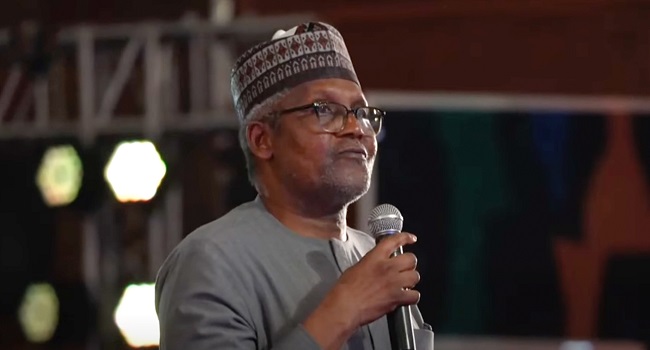
Dangote has done something brave by speaking out. Now it’s up to the government to turn this moment into real change. If they get it right, the winner will be every Nigerian who just wants affordable fuel, a stronger naira, and a country that works for its people, not just a few connected importers.
We’ve waited long enough. This could be the turning point. Let’s hold our leaders accountable so it becomes one.
What You Should Know
- Farouk Ahmed (NMDPRA) and Gbenga Komolafe (NUPRC) resigned on December 17, 2025.
- Dangote accused Ahmed of favouring importers and personal corruption (e.g., expensive overseas schooling for children).
- Ahmed denied wrongdoing, saying education was funded by scholarships, family trust, and savings.
- President Tinubu nominated Oritsemeyiwa Eyesan (NUPRC) and Saidu Mohammed (NMDPRA)—both experienced industry professionals—for Senate confirmation.
- The real issue: Will Nigeria finally prioritise local refining to save money and create jobs?