The Christian Association of Nigeria (CAN) on Tuesday declared this year’s Children’s Day a bittersweet occasion, overshadowed by fear, grief, and the country’s deepening failure to safeguard its youngest citizens.
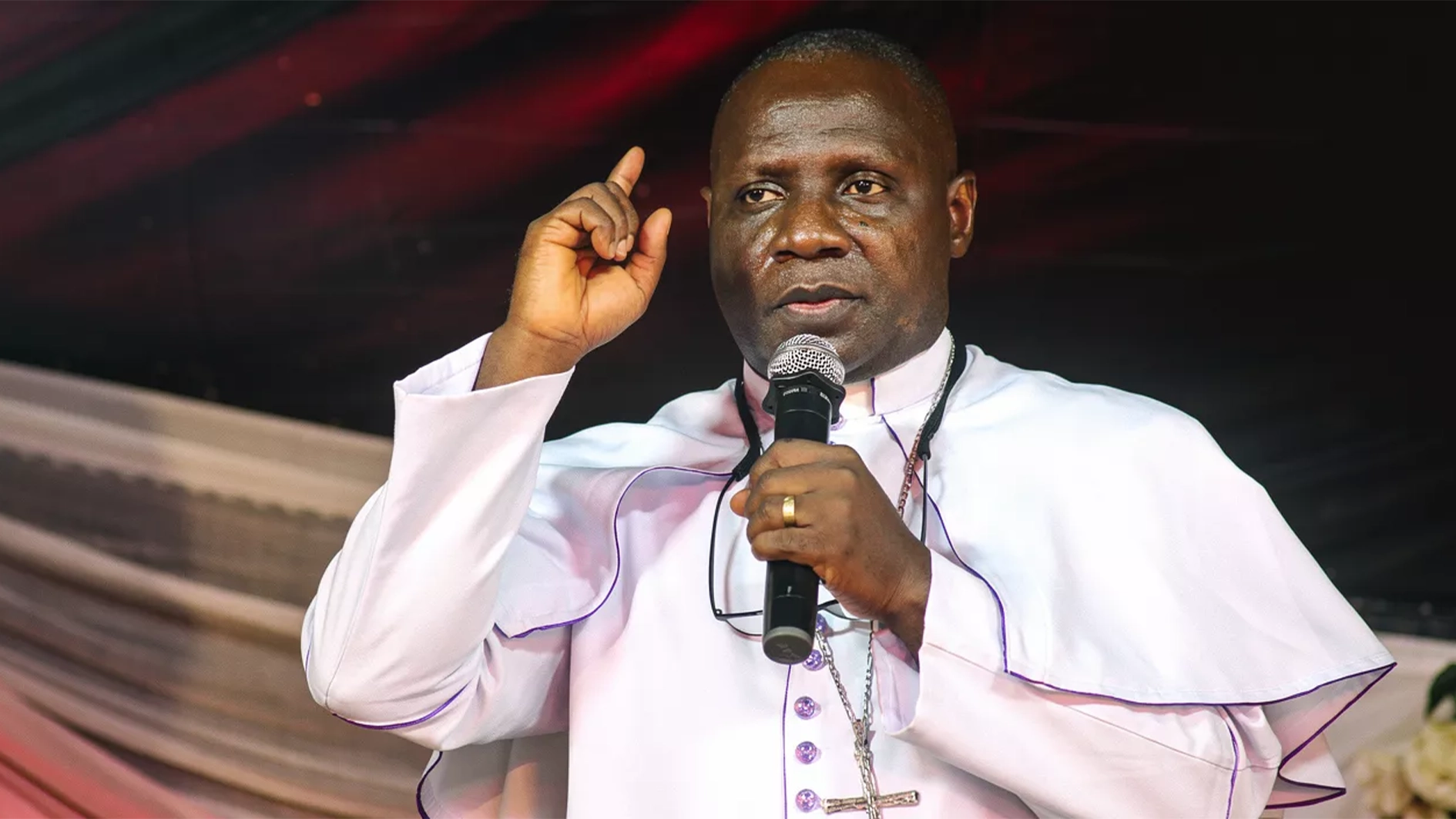
In a strongly worded statement signed by its president, Archbishop Daniel Okoh, the apex Christian body said it was marking the occasion with both gratitude for the lives and potential of Nigerian children and profound concern over the mounting dangers they face across the country.
The statement, released in Abuja, made particular reference to recent attacks in Oyo State where gunmen descended on schools and abducted pupils and teachers alike — leaving communities traumatised, and parents gripped by a fear that has no easy remedy.
For many Nigerians, the incident has reopened wounds that never fully healed, reviving haunting memories of prior mass abductions that drew international outrage but yielded little lasting change in policy or security architecture.
“For many Nigerians, the incident has once again raised painful questions about the safety of children and the future of education in an atmosphere of worsening insecurity,” Archbishop Okoh said, describing the abductions as part of a now-familiar pattern that continues to erode public trust in the state’s ability to protect civilian life.
The association said it remained deeply troubled by the fate of children and teachers still believed to be in captivity, and by the emotional anguish their families continue to bear.
“No child should have to experience fear and violence in a place meant for learning, protection, and hope,” the statement read, a sentence rendered all the more stark against the backdrop of a national security landscape that analysts describe as deteriorating.
Archbishop Okoh argued that teachers occupy a role far beyond classroom instruction, functioning as guardians, mentors, and in many cases surrogate parents to the children entrusted to their daily care. “The thought of teachers facing fear and uncertainty together with the children they were trying to protect should weigh heavily on the conscience of the nation,” he said.
The pull quote that many observers are likely to remember from Tuesday’s statement was both blunt and damning in its assessment of national governance: “A country where parents are afraid to send their children to school, and teachers are uncertain about their safety, cannot claim to be securing its future.”
CAN warned that millions of Nigerian children continue to wrestle daily with poverty, hunger, abuse, trafficking, child labor, and woefully inadequate access to education and healthcare, structural failures that are, in the body’s words, “steadily denying many children the stability, dignity, and opportunities they deserve.”
It is a charge that advocacy groups and development economists have long leveled at successive administrations, and one that Tuesday’s statement suggests the Church is no longer content to raise quietly.
CAN called on governments at all levels and the security agencies to treat the protection of schools and children as an urgent national responsibility, not a periodic political talking point.
“Every attack on a school damages public confidence, weakens national development and leaves emotional scars that can shape the future of a generation,” the statement warned, in language that implies a direct line of accountability between leadership failures today and national decline tomorrow.
The body also issued a broader call to civil society, urging parents, faith communities, traditional institutions, schools, media organizations, and community leaders to form a united front in shielding children from harm and creating environments where young people can grow without fear.
It is a call that, in the context of a country where state capacity is often stretched thin, carries particular weight and an acknowledgement that the burden of child protection cannot rest on the government alone.
In what appeared to be a message of solidarity directed at children themselves, Archbishop Okoh offered an uncommon pastoral note amid the otherwise sober declaration: “To every Nigerian child living under difficult conditions or in communities troubled by insecurity, CAN encourages you not to lose hope. Your future remains important, your lives have value, and your dreams deserve protection and support.”
The statement concluded with a call for this Children’s Day to serve as a moment of collective moral awakening, a summons to leaders and citizens alike to build a Nigeria where every child can live, learn, and grow in peace, safety, and dignity.
CAN reaffirmed its commitment to advocating for justice, responsible leadership, and policies that protect the welfare and future of every Nigerian child.
The Oyo State school abductions, which drew widespread condemnation when they occurred, have yet to be fully resolved, with the status of some victims still unclear at the time of publication.
WHAT YOU SHOULD KNOW
As Nigeria marks Children’s Day 2026, the Christian Association of Nigeria has sounded a sobering alarm: the country is failing its children. From the traumatic school abductions in Oyo State to the everyday realities of poverty, hunger, trafficking, and child labor, Nigerian children are under siege on multiple fronts.
CAN’s core message is clear: a nation that cannot guarantee the safety of its children in a classroom has no credible claim to building a future.
Governments must act, communities must unite, and the protection of every Nigerian child must be treated not as a wish, but as an urgent national duty.