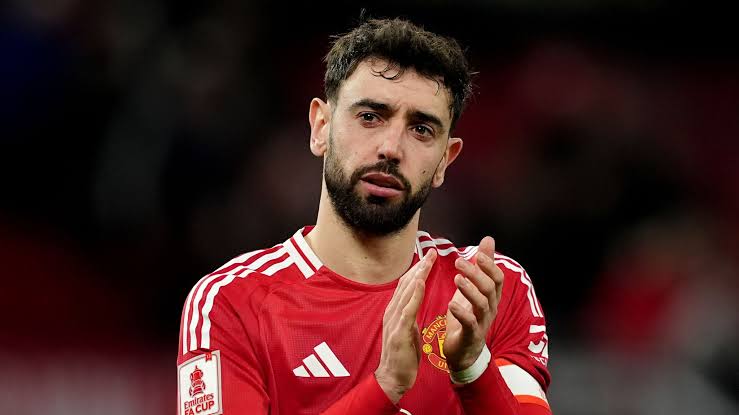
Manchester United captain Bruno Fernandes has disclosed that the Premier League club was prepared to sell him during the summer transfer window following interest from Saudi Arabia, a revelation he made while speaking to Portuguese media.
The 31-year-old playmaker, however, said he ultimately remained at Old Trafford because manager Ruben Amorim still considered him an integral part of his plans, a stance that played a decisive role in his decision to stay.
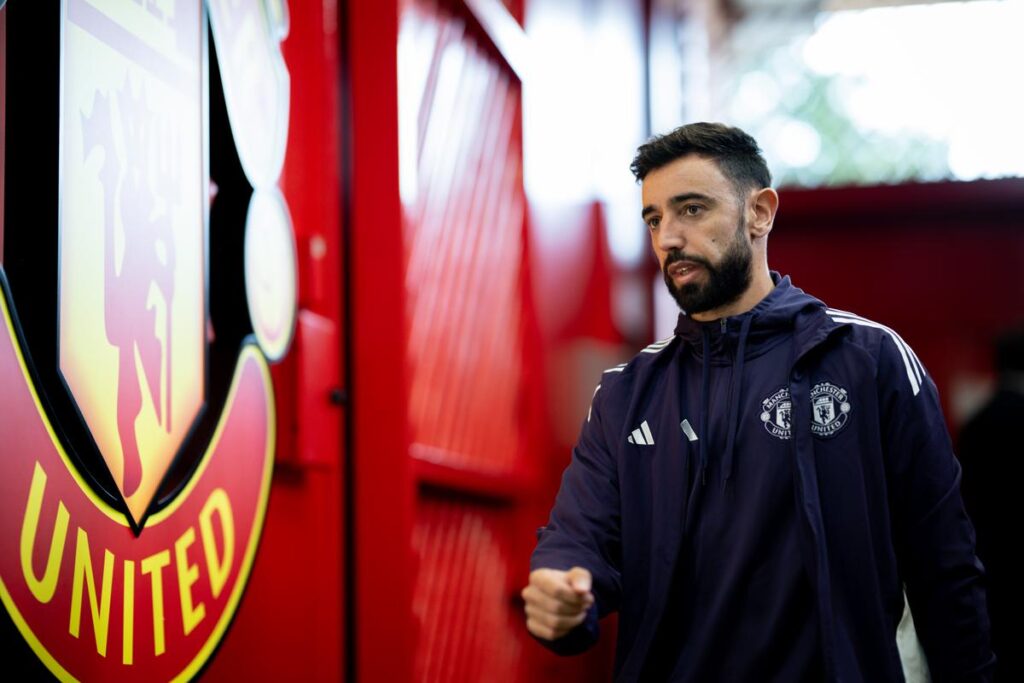
“My passion and empathy for the club were the same, but there comes a point where money becomes more important to them than you,” Fernandes told Canal 11, a channel owned by the Portuguese Football Federation, on Monday.
He explained that discussions with the club’s hierarchy made it clear that his departure was an option they were willing to consider, even though the coach preferred to keep him.
“The club wanted me to leave. I said it to the directors and I think they didn’t have the courage to make that decision because the coach wanted me.
“But if I had said I wanted to leave, even if the coach wanted me to stay, the club would have let me go.”
Fernandes, who has scored 103 goals in 307 appearances across all competitions since joining United in 2020, admitted he was unsettled by what he perceived as the club’s readiness to move on without him.
“The feeling I got from the club was, ‘if you leave, it’s not so bad for us’. That hurt me a little,” he said, according to comments reported on the website of Portuguese sports daily A Bola.
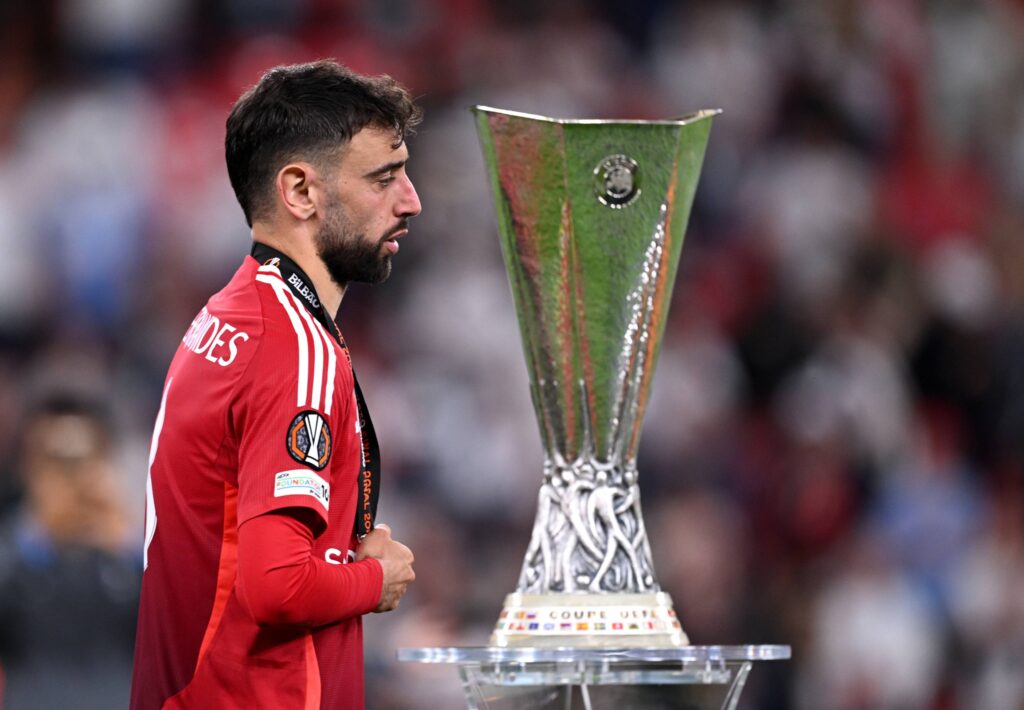
The Portugal international also confirmed that he gave serious thought to a move to Saudi Arabia, a path already taken by compatriot Cristiano Ronaldo, who left Manchester United for the Middle East in 2023 after a turbulent exit from the club.
What you should know
Bruno Fernandes’ comments highlight growing tensions between elite footballers and club hierarchies in an era where financial considerations often outweigh sentiment and loyalty.
Despite being Manchester United’s captain and one of their most productive players since 2020, Fernandes felt the club was willing to cash in on him amid Saudi interest. His decision to stay was driven more by the manager’s trust than by institutional support.
The episode underscores the shifting power dynamics in modern football, where even key players can feel expendable, especially with lucrative alternatives emerging outside Europe’s traditional leagues.