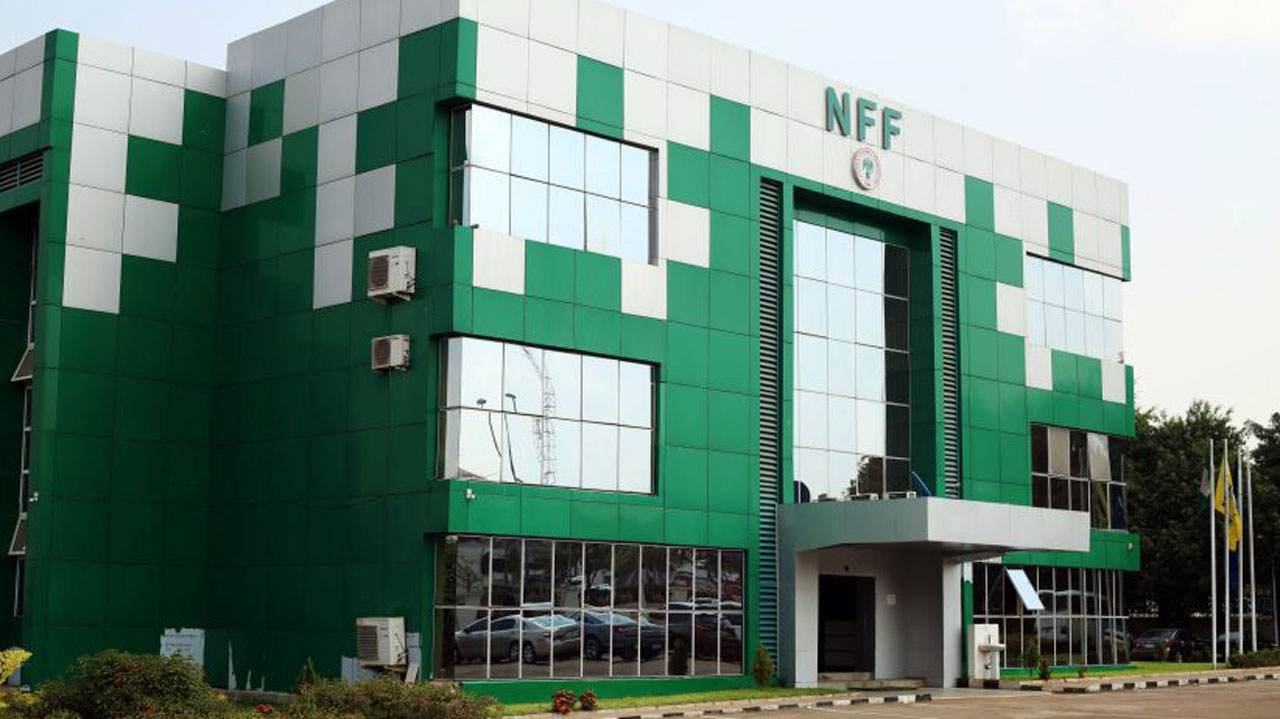
The Nigeria Football Federation has confirmed it has commenced an investigation into allegations surrounding the Democratic Republic of Congo’s use of ineligible players during the 2026 FIFA World Cup qualifiers, a move that could potentially revive Nigeria’s chances of reaching the tournament to be co-hosted by the United States, Canada and Mexico.
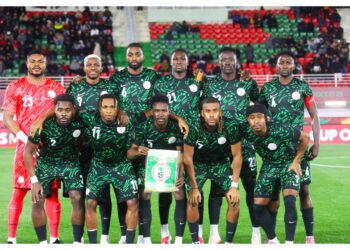
DR Congo knocked Nigeria out of the African play-offs in November after edging the Super Eagles 4–3 on penalties in Morocco, a result that dashed Nigeria’s hopes of advancing to the FIFA intercontinental play-off.
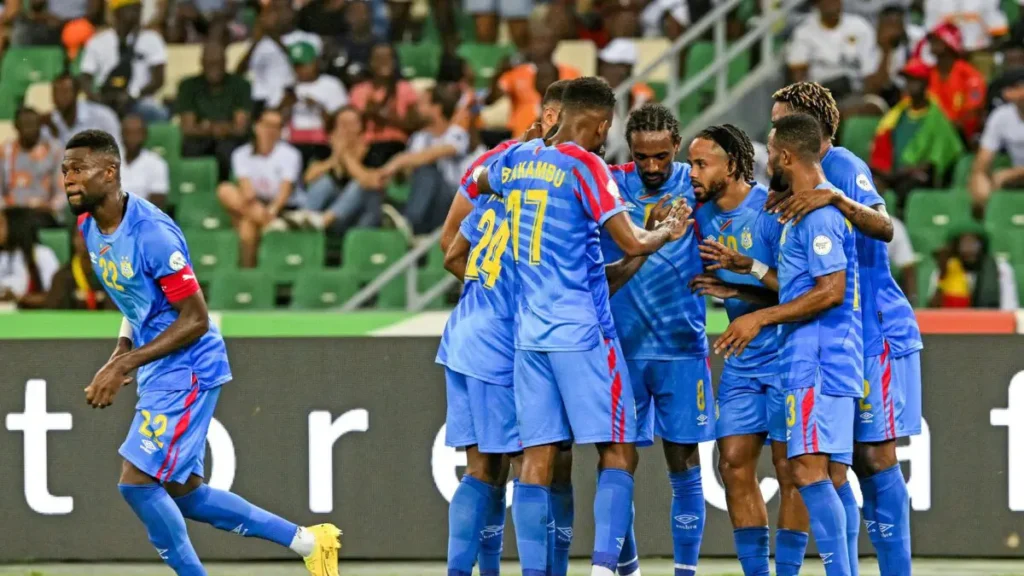
That victory earned the Congolese side a direct passage into the final of the intercontinental play-off tournament, where they are billed to face the winner of the semi-final clash between New Caledonia and Jamaica.
However, that pathway may now be under scrutiny following concerns raised by the NFF over the eligibility status of several DR Congo players who featured during the African play-offs. According to reports, between six and nine players who switched allegiance to DR Congo may not have completed all legal requirements under Congolese law before representing the country.
Although FIFA is said to have cleared the players on the basis that they possessed valid DR Congo passports, it is alleged that they did not formally renounce their former nationalities. This is significant because DR Congo’s constitution reportedly does not recognise dual citizenship.

“NFF has done the needful,” a member of the federation’s executive board told journalists. “Their constitution does not allow dual citizenship, and about six to nine players had that status during the play-off. That is the loophole we are exploring. Our lawyers must have submitted the relevant documents to FIFA as well.”
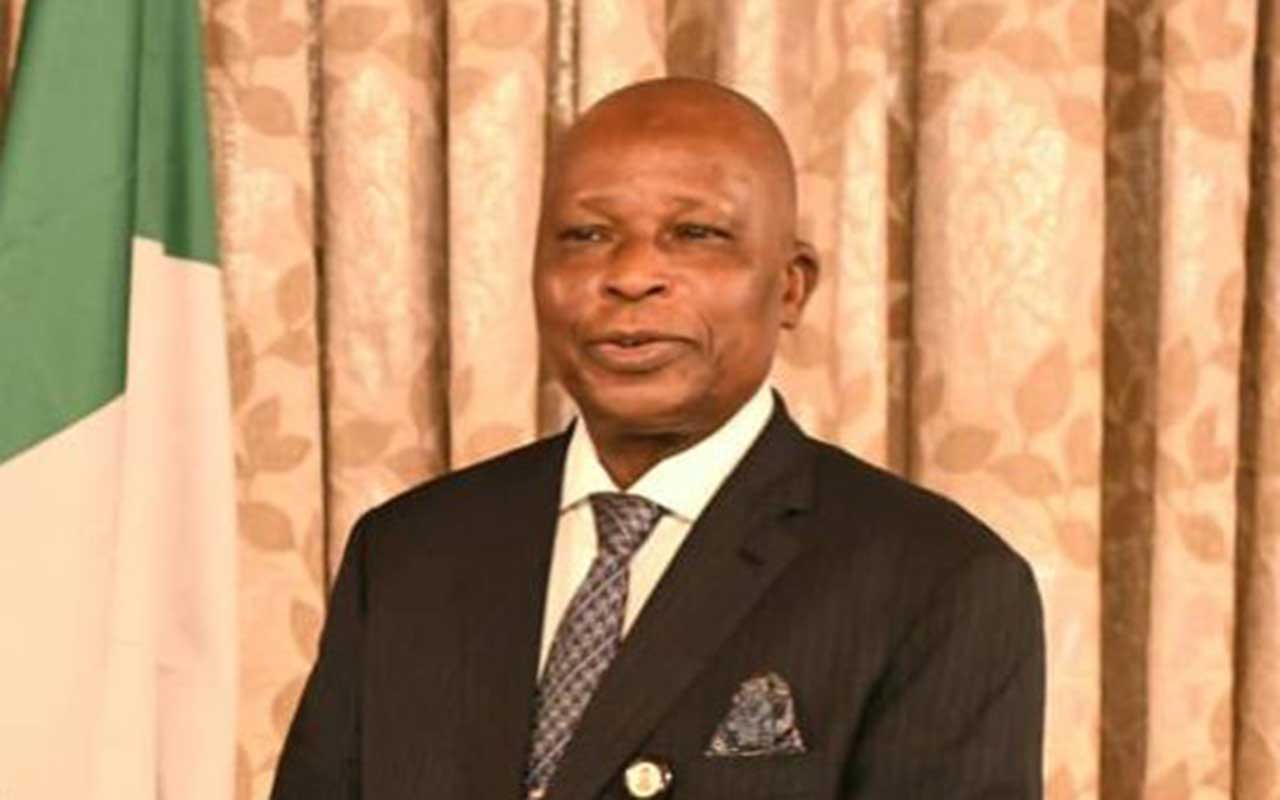
The NFF’s General Secretary, Dr Mohammed Sanusi, also confirmed that the federation had officially challenged the players’ eligibility. “We’re waiting. The Congolese rules say you cannot have dual citizenship or nationality,” Sanusi said. “Wan-Bissaka has a European passport; some of them have French passports, others Dutch passports. The rules are very clear, and we have submitted our petition.”
Sanusi explained that FIFA’s clearance was based on documentation presented to the global body. “FIFA rules say once you have a passport of your country, you’re eligible, and that is why they were cleared,” he said. “But our concern is that FIFA was deceived into clearing them. It is not FIFA’s responsibility to enforce Congo’s domestic regulations; FIFA acts based on what is submitted to it. What we are saying is that the process was fraudulent.”
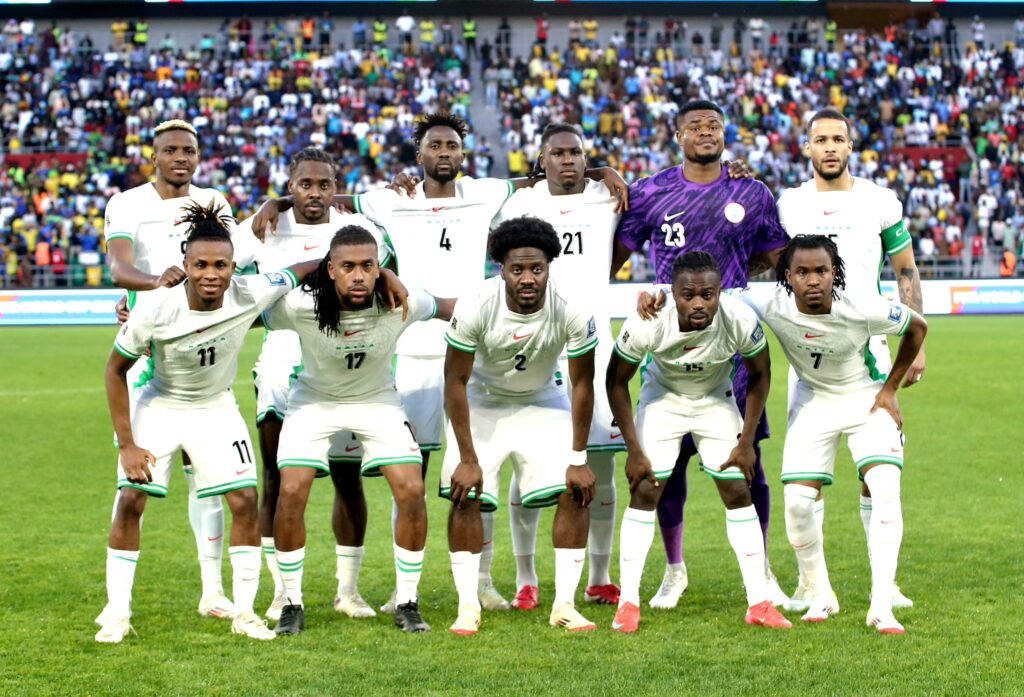
The unfolding situation has reignited optimism within Nigerian football circles, especially after the Super Eagles narrowly missed out on qualification for the 2022 World Cup in Qatar. A favourable outcome from FIFA could reopen Nigeria’s route to the 2026 finals.
DR Congo, on the other hand, has featured at the FIFA World Cup only once, in 1974, when the country competed under the name Zaire.
What you should know
The Nigeria Football Federation is challenging DR Congo’s participation in the 2026 World Cup qualifiers over alleged breaches of the country’s citizenship laws.
While FIFA cleared several DR Congo players based on valid passports, the NFF argues that Congolese law forbids dual nationality and that some players failed to renounce their previous citizenships. If FIFA upholds Nigeria’s petition, DR Congo’s progression could be overturned, potentially reopening a qualification pathway for the Super Eagles.
The case highlights the tension between FIFA regulations and domestic nationality laws, with major implications for African representation at the 2026 World Cup.