The African Democratic Congress (ADC) has called on the Federal Government to immediately suspend the implementation of the 2025 tax laws, alleging that critical provisions of the legislation were fraudulently altered after passage by the National Assembly.
In a statement issued on Saturday, the party’s spokesperson, Bolaji Abdullahi, accused the government of tampering with the laws by inserting what he described as “criminal insertions” that allegedly empower the “Bola Tinubu government the express power to arrest and take over the property of anyone who does not comply with the tax laws.”
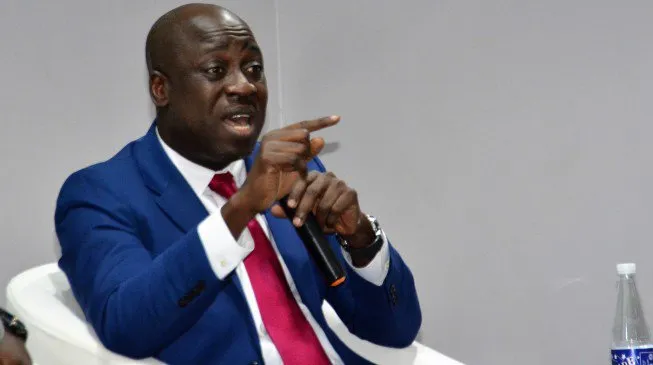
According to the ADC, these alterations fundamentally change the intent of the legislation and undermine constitutional governance. The party insisted that the only acceptable response is a complete halt to the laws’ rollout. “The ADC therefore calls for the immediate suspension of all the 2025 tax laws signed by President Bola Tinubu to allow for a full legislative review,” Abdullahi stated, adding that failure to do so would give “the dangerous impression that the principle of separation of powers enshrined in our Constitution can be sidestepped by the President.”
The opposition party said its demand followed what it described as a “forensic” examination of the versions of the tax laws passed by lawmakers and the editions later published in the official gazette. The review, the ADC claimed, “established beyond all doubt that key accountability provisions were deleted and new provisions inserted,” allegedly handing sweeping enforcement authority to the Executive arm without judicial oversight.
In the party’s view, the alleged changes extend far beyond matters of taxation. It argued that the purported insertions reveal deeper concerns about governance, asserting that, “It speaks to the criminal mindset of a government that has no ethical boundaries, has no regard for democratic institutions, and will do anything to pursue its narrow, selfish agenda.”
The ADC further demanded a thorough investigation into the matter, urging the prosecution of any officials found responsible for what it described as an act of forgery that strikes at the core of democratic practice. The statement, issued under the leadership of former Senate President David Mark, said those culpable must be held accountable to preserve public trust in the legislative process.
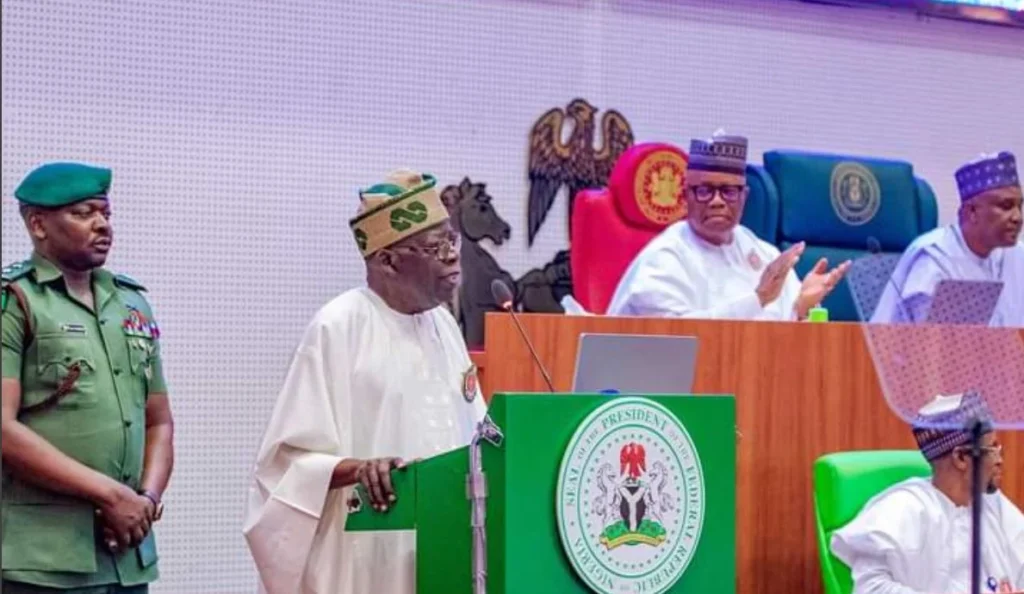
President Bola Tinubu had assented to four major tax reform bills in June after months of intense debate within the National Assembly and among the wider public. The laws include the Nigeria Tax Bill, the Nigeria Tax Administration Bill, the Nigeria Revenue Service (Establishment) Bill, and the Joint Revenue Board (Establishment) Bill, with the government scheduling their implementation for January 2026.
Concerns over discrepancies in the laws gained prominence after Abdussamad Dasuki, a member of the House of Representatives, alleged that provisions contained in the gazetted versions differed from what lawmakers originally approved. His claims have since prompted calls from opposition figures, including former Labour Party presidential candidate Peter Obi, as well as other legislators, for the suspension of the laws pending clarification.
Despite the growing controversy, the Chairman of the Presidential Fiscal Policy and Tax Reforms Committee, Taiwo Oyedele, has dismissed the allegations, maintaining that the Federal Government is not introducing new laws and insisting that the reforms remain within the framework approved by the legislature.
What you should know
The dispute over the 2025 tax laws highlights ongoing tensions between Nigeria’s Executive and legislative arms over transparency and constitutional procedure.
Tax reforms are central to the Tinubu administration’s fiscal strategy, aimed at boosting revenue and reducing reliance on borrowing. However, allegations of post-legislative alterations raise serious legal and democratic questions, as any changes to laws after parliamentary approval could undermine public confidence.
The outcome of this controversy may influence how future reforms are scrutinised and could determine whether the tax laws proceed as planned in 2026 or face further legislative review.