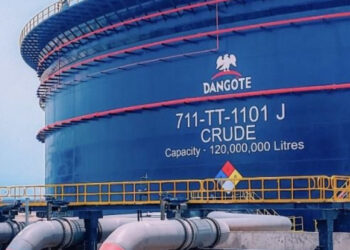
In a significant boost for indigenous energy development, Heirs Energy has clinched a $750 million financing package from the African Export-Import Bank (Afreximbank), positioning the Nigerian oil and gas firm to dramatically scale its operations and contribute more substantially to the nation’s energy security.
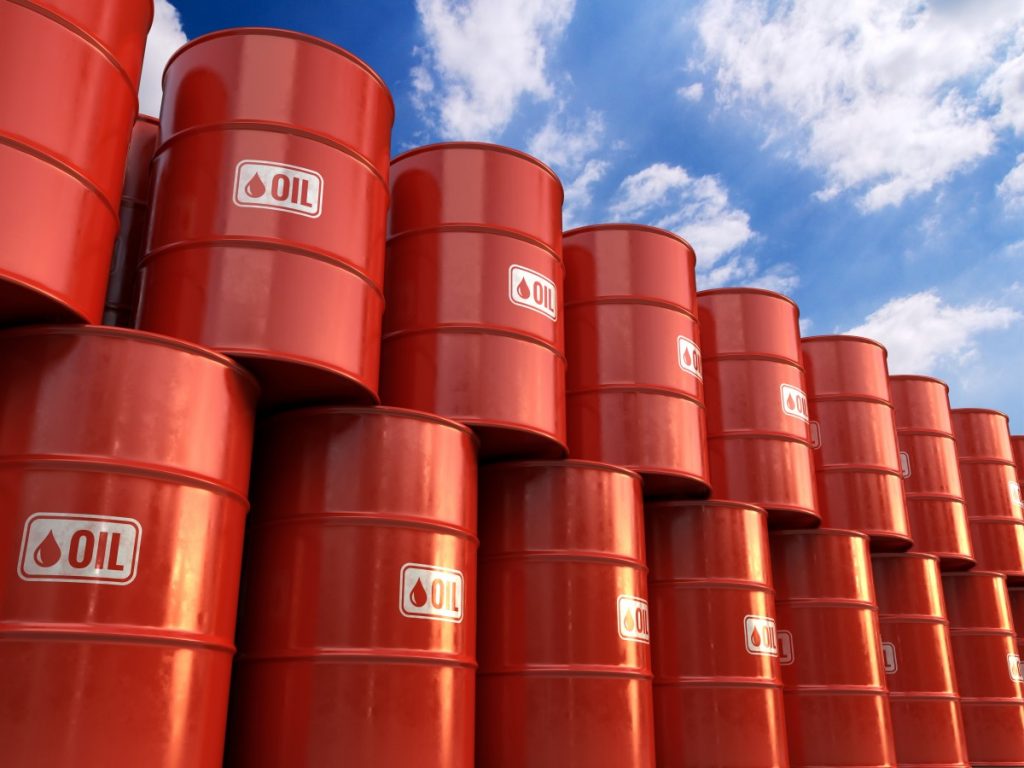
The landmark agreement, formalized in Abuja over the weekend, is designed to propel the company’s crude oil production from current levels of approximately 50,000 barrels per day to around 100,000 barrels daily. Gas output is similarly targeted to surge from 120 million cubic meters to roughly 250 million cubic meters, effectively doubling the firm’s production capacity across both hydrocarbon streams.
The financing arrangement represents more than just capital injection—it signals growing confidence in African-owned enterprises tackling the continent’s most pressing infrastructure challenges. For Heirs Energy, which operates the strategically important Oil Mining Lease 17, the facility provides crucial breathing room to consolidate recent operational gains while charting an ambitious growth trajectory.
A Vote of Confidence in African Enterprise
Tony Elumelu, Chairman of Heirs Holdings, the parent company, was effusive in his praise for Afreximbank’s role in nurturing indigenous African businesses. Speaking at the signing ceremony, he characterized the bank as “the most impactful and catalytic finance institution in Africa,” crediting it with the boldness to back large-scale projects that traditional lenders might consider too risky.
“They have grown the capacity and the boldness to support African businesses,” Elumelu stated, emphasizing the significance of African capital working for African development—a theme that has become central to his broader economic philosophy.
The billionaire entrepreneur and philanthropist acknowledged that the bank’s willingness to restructure existing obligations and provide expansion capital reflected deep institutional confidence in Heirs Energy’s long-term viability. He disclosed that despite facing severe oil theft challenges that have plagued Nigeria’s petroleum sector, the company maintained an unblemished repayment record.
“For Afreximbank and others to come together and say, ‘Okay, we can restructure this and give you room to scale,’ it again shows Afreximbank’s belief in us,” Elumelu noted, framing the deal as validation of the company’s operational discipline and strategic vision.
Navigating Political Headwinds
Elumelu also used the occasion to reflect on the torturous path to acquiring OML 17 from international oil majors Shell, Total, and Eni. The transaction, he revealed, faced protracted delays during the administration of former President Muhammadu Buhari, with government officials initially balking at transferring such a substantial asset to private sector hands.
“Our government at the time refused to approve it because it was considered too big for the private sector, forgetting that Shell itself was a private sector entity,” he recounted, highlighting what he viewed as a contradiction in policy thinking that imposed high financial costs on the company.
The delays serve as a reminder of the complex regulatory environment facing indigenous operators attempting to fill the void left by international oil companies divesting from onshore Nigerian assets.
Afreximbank’s Strategic Bet on Energy
Dr. George Elombi, President of Afreximbank, contextualized the facility within the bank’s broader continental energy strategy. He warned that without robust support for the sector, approximately 23 African countries would face serious economic instability, underscoring energy’s foundational role in development.
“If we did not support the energy sector, about 23 African countries would be in serious trouble,” Elombi stated, revealing that the bank was preparing additional billion-dollar interventions to stabilize and grow energy infrastructure across the continent.
The bank’s African ownership structure, he suggested, gave it unique resilience and commitment to remain engaged through both favorable market conditions and challenging periods—a staying power that distinguishes it from commercial lenders who may retreat during sectoral downturns.
Financial Structure and Growth Strategy
Samuel Nwanze, Executive Director and Chief Financial Officer of Heirs Energy, provided granular details on the financing architecture. The facility is structured as a five-year reserve-based lending arrangement with dual objectives: refinancing existing debt accumulated from the original OML 17 acquisition and injecting fresh capital for expansion projects.
When Heirs Energy acquired the asset nearly four years ago, it raised approximately $1.1 billion, the majority of which has since been repaid—a testament to the asset’s cash-generating capacity even amid operational challenges. The new structure leverages the increased proven reserves and production capacity the company has developed to unlock additional borrowing headroom.
“One leg is refinancing of existing debt. We are also structuring what we call a reserve-based lending facility. Because we have grown the capacity of the assets, we are getting additional money,” Nwanze explained. The additional capital will fund drilling campaigns, infrastructure upgrades, and potentially new acreage development.
Downstream Impact: Power Generation
Beyond crude oil metrics, the gas component of Heirs Energy’s operations carries particular significance for Nigeria’s chronically underpowered electricity grid. Nwanze disclosed that increased gas production from OML 17 has already delivered tangible benefits to power generation facilities across Nigeria’s eastern domestic gas network.
Plants such as Geometric and Transcorp have reportedly seen improved capacity utilization rates as gas supply becomes more reliable—a critical factor in a country where electricity supply remains one of the most significant constraints on economic development and quality of life.
“If we continue growing the business, we believe we can make an even greater impact on energy supply and sufficiency, not just for Nigeria but across the continent,” Nwanze projected, hinting at broader regional ambitions.
Environmental Commitments
In parallel with the financing announcement, the NNPC/Heirs Energies OML 17 Joint Venture disclosed the signing of Gas Flare Commercialization Agreements under Nigeria’s Gas Flare Commercialization Programme and other approved frameworks. These agreements commit the venture to eliminating routine flaring—a long-standing environmental and economic problem in Nigeria’s oil patch—while converting previously wasted gas into commercially valuable products.
The initiative brings together Heirs Energies as operator and approved flare gas offtakers in a coordinated effort to transform what was once considered waste into economic value, simultaneously addressing environmental concerns and generating additional revenue streams.
Implications for Nigeria’s Energy Transition
The Heirs Energy deal arrives at a pivotal moment for Nigeria’s energy sector. As international oil companies continue their retreat from onshore operations amid security challenges, regulatory complexity, and global energy transition pressures, indigenous operators like Heirs Energy are increasingly positioned as the sector’s future.
The transaction demonstrates that with adequate capitalization and technical competence, Nigerian firms can successfully operate assets once deemed suitable only for international majors. It also validates the business case for responsible resource development that balances production growth with environmental stewardship and domestic energy needs.
For Afreximbank, the deal reinforces its positioning as the financial engine behind Africa’s industrial ambitions—willing to deploy patient capital at scale where commercial banks see risk primarily. As the continent grapples with energy deficits that constrain economic growth, such partnerships between development finance institutions and capable indigenous operators may well represent the template for future resource development across multiple African markets.
The ultimate test, of course, will be execution. Heirs Energy must now deliver on its production targets while navigating Nigeria’s challenging operating environment—from oil theft and pipeline vandalism to regulatory unpredictability. But with a proven track record, enhanced financial firepower, and aligned institutional support, the company appears well-positioned to write the next chapter in Nigeria’s evolving energy narrative.
WHAT YOU SHOULD KNOW
Heirs Energy has secured $750 million from Afreximbank to double its oil and gas production, from 50,000 to 100,000 barrels per day, and gas output from 120 to 250 million cubic meters.
This represents the largest indigenous energy financing deal in recent Nigerian history and signals a fundamental shift: African capital is now backing African companies to operate assets once reserved for international oil majors.