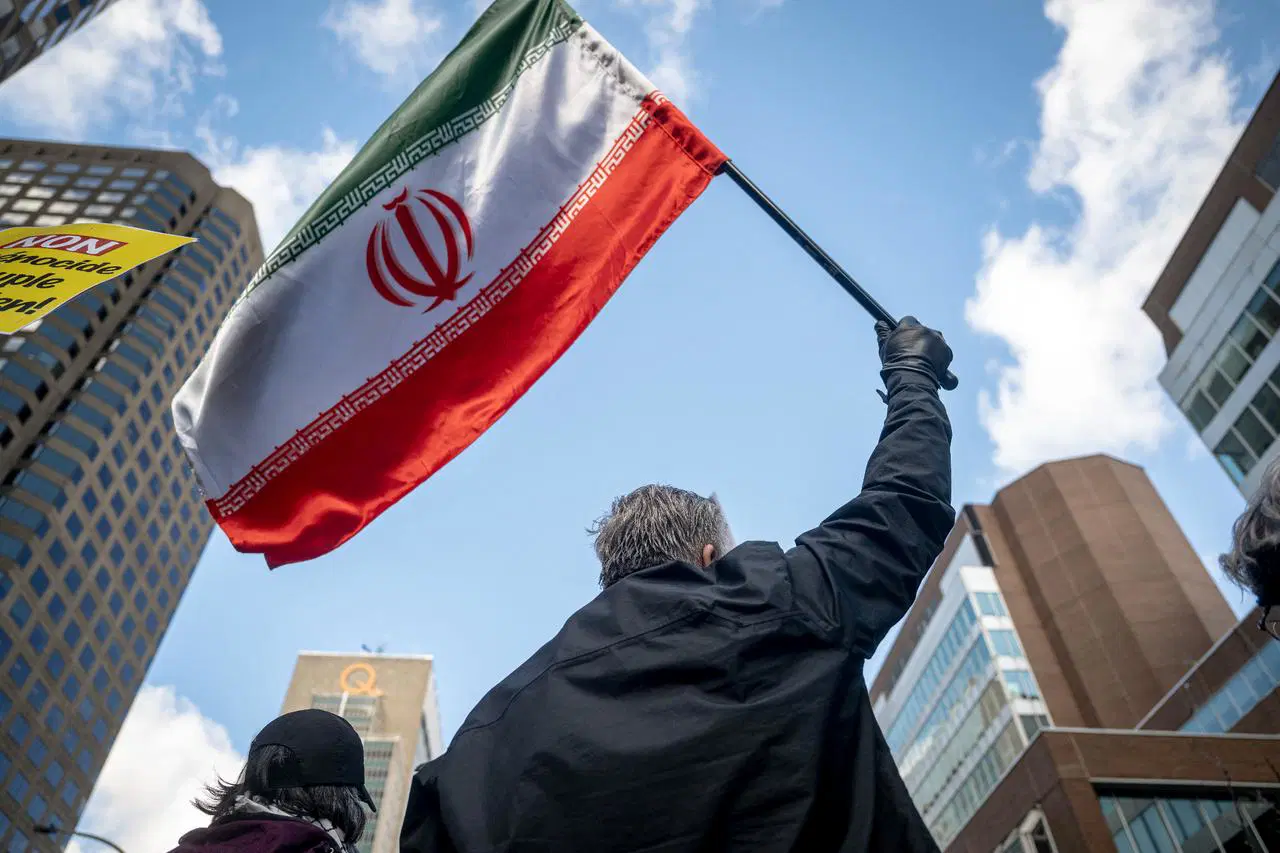
Six months into a war that has upended the Middle East’s balance of power, the U.S. and Iran find themselves once again in a familiar, dizzying pattern: one side announcing a diplomatic breakthrough, the other flatly denying it exists.
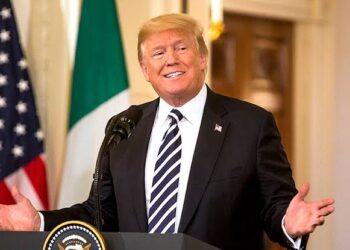
President Donald Trump told reporters aboard Air Force One that a new round of negotiations with Iran would open Monday afternoon, framing the talks as covering both the fate of the Strait of Hormuz and the broader question of Iran’s nuclear ambitions.
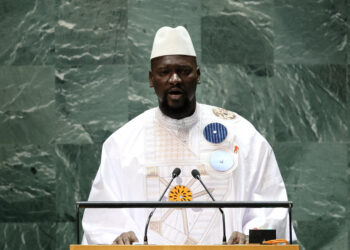
Within hours, Tehran’s foreign ministry pushed back hard. Spokesman Esmaeil Baqaei insisted no such US-Iran talks were underway, telling reporters at a weekly briefing that Iran’s actual negotiating partner at the moment is Oman, not the United States, and that those talks are narrowly focused on securing safe passage through the strait.
The conflict, which erupted on February 28 when the US and Israel launched coordinated strikes on Iranian territory, has never settled into a clean binary of war or peace. Instead, it has cycled through phases of intense bombardment followed by lulls in which diplomats scramble to patch together some kind of framework only for the fighting to reignite.
A ceasefire brokered last month collapsed before it could take hold, and a memorandum of understanding reached in June, meant as a bridge toward a fuller settlement rather than a final peace treaty, appears to be the document mediators are now trying to resurrect.
Trump’s own rhetoric has tracked this whiplash pattern. Just last week he threatened to strike Iran “very hard,” with reports suggesting the White House was weighing strikes on Iranian energy infrastructure, a category of target that would mark a significant escalation given its potential to cripple the country’s economy and trigger wider regional shockwaves.
By Saturday, though, the president had softened his tone considerably, suggesting the outline of a deal was within reach. He went further Sunday, claiming Iran itself, along with regional heavyweights Saudi Arabia, the UAE and Qatar, had personally appealed to him to hold off on an attack he described as potentially “the biggest attack since World War II.”
Iranian state media moved quickly to reject that characterization, denying Tehran had made any such request.
If there is one issue holding the whole negotiation hostage, it is the Strait of Hormuz, the narrow chokepoint through which a significant share of the world’s seaborne oil has historically flowed. Before the war, passage through the strait was unimpeded.
Since fighting began, Iran has asserted unilateral control over the waterway, firing on commercial vessels and demanding they hew to a route hugging its own coastline rather than the internationally used shipping lanes while also floating the idea of charging transit fees, a demand Washington has rejected outright.
Baqaei’s Sunday remarks to state television suggested some movement here, describing a possible arrangement with Oman, which sits across the strait from Iran, that would carve out a route “acceptable to both sides,” splitting the difference between the northern and southern passages.
Crucially, he was careful to frame this as something short of reopening the strait to unrestricted traffic, underscoring how far apart the two sides remain on the fundamental question of who controls one of the world’s most strategically vital waterways.
Underlining just how fragile the security situation remains, a tanker off the Omani coast reported hearing a nearby explosion on Sunday, according to the UK Maritime Trade Operations Centre, though the vessel and its crew were confirmed safe. The incident, even without confirmed cause, is a reminder of how easily the maritime standoff could spiral.
Layered atop the shipping dispute is the original casus belli: Iran’s nuclear program. Trump has maintained since the war’s outset that military action was necessary to halt what Western governments allege is a covert push toward a nuclear weapon, a charge Tehran has consistently denied, insisting its program serves civilian purposes only.
Trump indicated Sunday that “denuclearization” of Iran would be on the table in whatever talks materialize, a maximalist framing that Iranian officials have shown little appetite to accept at face value.
The gap between Trump’s version of events and Tehran’s denial is not, on its own, unusual for this conflict; both sides have spent months making claims the other later disputes. But Iranian parliamentary voices offer a more measured picture than the public denials suggest.
Hassan Ghashghavi, who speaks for the parliament’s national security commission, acknowledged Sunday that mediators are actively trying to revive June’s memorandum of understanding, and that “there is an exchange of views” on Hormuz, specifically language considerably softer than the foreign ministry’s blanket denial that any negotiations are occurring.
Iranian President Masoud Pezeshkian, for his part, struck a note of wary conditionality on social media, writing that Iran “must strive to compel the enemy to remain committed to what it has signed,” a statement that implicitly acknowledges past agreements exist, even as it accuses Washington of failing to honor them.
Whether Monday’s session amounts to a genuine negotiation or another false start may hinge less on what either government says publicly and more on whether the Hormuz arrangement Baqaei described a compromise route safeguarding Iranian “sovereign rights” without fully reopening the strait can be formalized.
Given the war’s track record of near-deals collapsing at the last moment, any declared breakthrough is likely to be met with considerable skepticism until ships are actually moving freely and the guns fall silent for more than a few news cycles.
WHAT YOU SHOULD KNOW
Six months into the war, Washington says talks are starting; Tehran says they aren’t. But strip away the contradictory statements, and one thing is clear: the entire conflict now hinges on control of the Strait of Hormuz.
Iran won’t fully reopen it, the U.S. won’t accept fees or restricted routes, and until that single issue is resolved, every “breakthrough” announcement, cease-fire, memorandum, and denuclearization talk will keep collapsing back into the same standoff. Watch Hormuz, not the headlines.