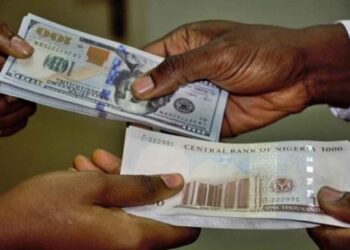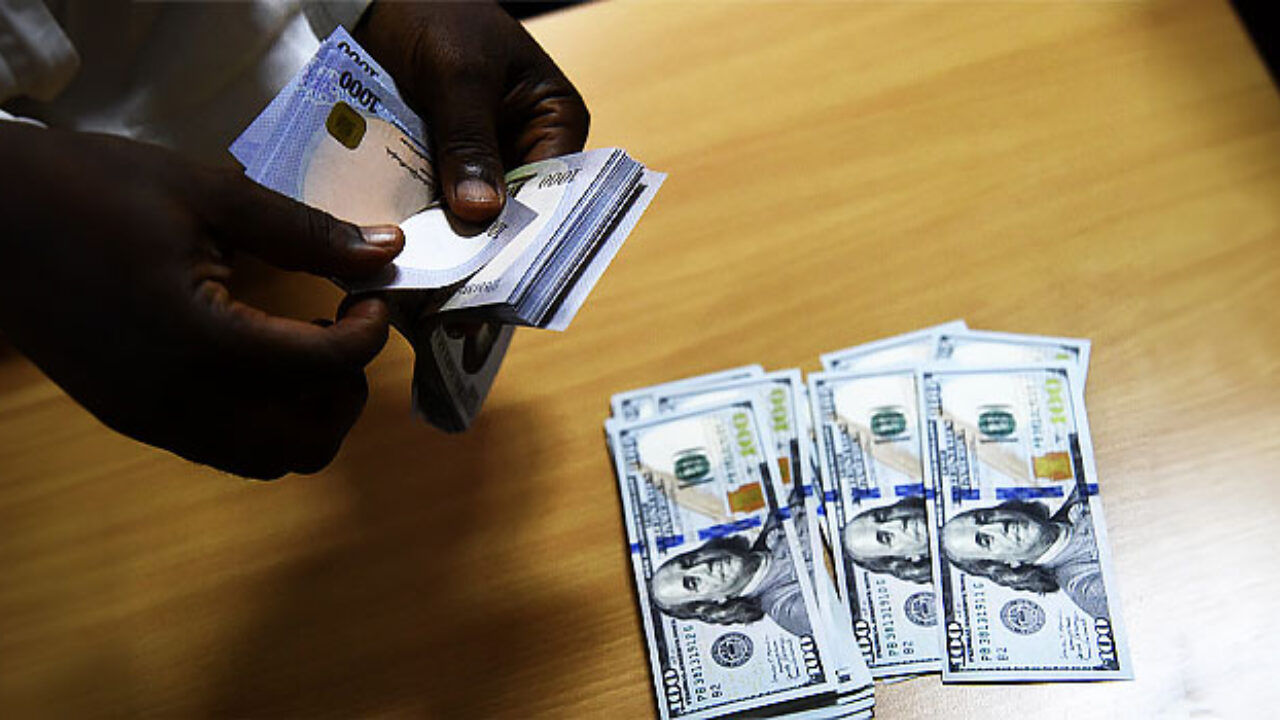
The Nigerian naira held its ground at the official foreign exchange window on Tuesday, with the naira closing at ₦1,379.80 to the dollar at the Nigerian Foreign Exchange Market (NFEM), according to figures released by the Central Bank of Nigeria.
The reading places the local unit firmly within the ₦1,370 to ₦1,380 band it has occupied through recent sessions, a stretch of relative calm that traders say reflects a steadier hand on both sides of the FX ledger, that is, dollar supply meeting demand without the violent swings that have rattled the market in the past.
Bankers and currency desk officers across Lagos say the past week’s trading has shown neither sharp appreciation nor a slide but a currency settling into something resembling a trading range, a development some analysts are cautiously reading as a sign of underlying liquidity improvements rather than a temporary lull.
Away from the CBN’s official window, the picture in the parallel market, the so-called black market that still serves as the default option for many ordinary Nigerians and small businesses unable to access institutional FX channels, told a similar story of stability.
Dollars changed hands at roughly ₦1,385 on the buy side and ₦1,400 on the sell side in Lagos and Abuja, the country’s two largest currency trading hubs, according to figures gathered from street-level dealers and online rate trackers such as Aboki FX.
Do the arithmetic and the gap becomes tangible. A Nigerian looking to raise $100 from a parallel market dealer would need to part with roughly ₦140,000. The same transaction at the official rate would cost about ₦137,980, a difference of just over ₦2,000, or roughly ₦20 on every dollar purchased.
That spread, while real, is notably tighter than the chasms that opened up between the two markets in previous months, when premiums of ₦50, ₦100, or more per dollar were not unusual and were often cited as evidence of a fractured, two-tier currency regime starved of dollar liquidity.
Tuesday’s narrower gap suggests, at least for now, a market in which official supply is doing more of the work that used to fall to informal dealers, easing some of the pressure that typically pushes importers, students, and travelers toward back-street exchange points.
Even so, currency analysts caution against reading too much into a single trading session. Rates quoted by commercial banks, licensed bureaux de change, and parallel market operators can still diverge meaningfully depending on transaction size, location, and the particular demand pressures a dealer is facing on any given day. A bulk transaction in Victoria Island, for instance, may not fetch the same quote as a retail exchange in a market in Kano.
For now, though, the data points in one direction: a naira that, after the turbulence of earlier in the year, appears to have found a measure of footing, with the official and unofficial markets trading closer together than they have in some time.
WHAT YOU SHOULD KNOW
Nigeria’s naira closed at ₦1,379.80/USD on the official market Tuesday, with the parallel market trading only about ₦20 higher, a notably narrow gap compared to the wide premiums seen in past months.
This convergence signals improving dollar liquidity and a more balanced FX market, though rates can still vary by location and transaction size, so anyone exchanging dollars should compare rates before transacting.