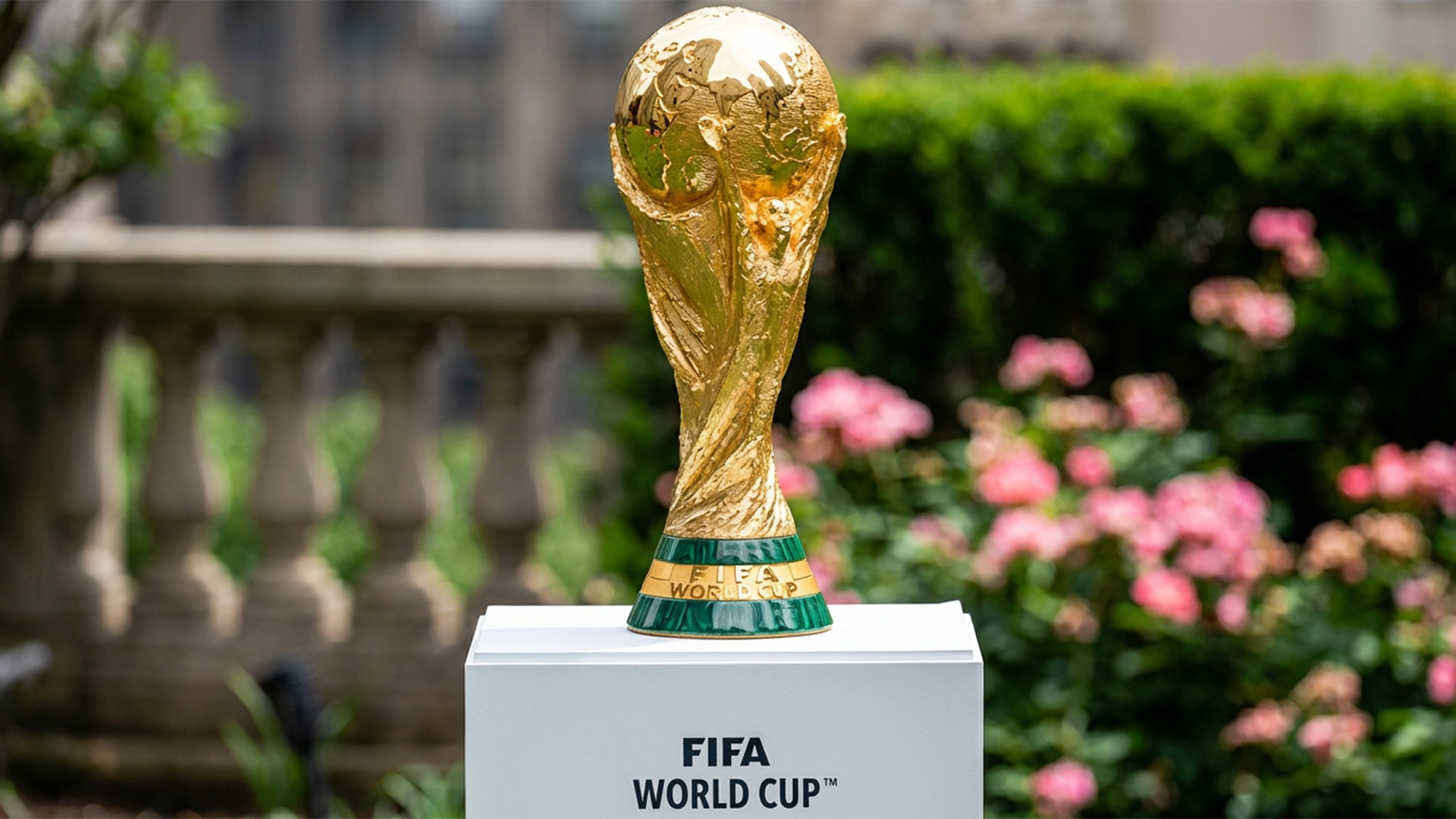
Just days before the opening whistle of the 2026 FIFA World Cup, football’s governing body has handed millions of fans an unwelcome surprise: their reusable water bottles are no longer welcome inside tournament stadiums.
In a move that has drawn swift and fierce criticism from supporters’ groups and health experts alike, FIFA quietly rewrote its stadium code of conduct this week, stripping out a provision that had explicitly permitted empty, transparent plastic bottles of up to one liter into venues.
The reversal, first reported by The Athletic and confirmed by FIFA on Thursday, could hardly have come at a worse time. The tournament, the most expansive in World Cup history, spanning 16 host cities across the United States, Canada, and Mexico, kicks off on June 11 and is set to be played in the full, unforgiving heat of the North American summer.
As recently as last month, FIFA’s official stadium code of conduct carried a reassuring note for fans: “For the avoidance of doubt, empty, transparent, reusable plastic bottles, up to (1 liter in) capacity, may be brought into the stadium.”
That line is now gone. In its place sits an equally unambiguous but starkly different instruction: “For the avoidance of doubt, reusable water bottles may not be brought into the stadium.”
The updated code of conduct was communicated to ticket holders on June 2, less than two weeks before the tournament began, giving fans little time to adjust their plans.
The change has stunned ticket holders and sparked outrage among supporters, many of whom had already made detailed preparations based on the earlier guidelines. The Free Lions England fans’ embassy took to social media to voice their frustration over the lack of transparency.
In a post on X, the group said, “What next? Sun cream banned and fans forced to buy it in stadiums? For all of the effort they are going to make with ‘drinks breaks’ for the players, this is such a strange, late change.”
The governing body said the ban covers bottles, cups, jars, and cans, with FIFA saying the measure is intended to reduce the risk of objects being thrown and causing injuries to players, officials, or spectators.
In a statement to AFP, a FIFA spokesperson said, “FIFA is committed to protecting the health and safety of all players, referees, fans, volunteers, and staff.” FIFA made the decision to prohibit bottles to prevent risk and injury to players and attendees.
Outside bottles are already prohibited at several of these venues for safety considerations, and FIFA is applying this consideration across its tournament stadiums.
The organization added that fans would not be left entirely without recourse. FIFA said it works closely with each Host City Committee and local authorities on heat mitigation measures, including misting stations, fans, hydration stations, and cooling tents around the stadium footprint.
It further pledged that water bottle pricing inside venues “will remain consistent with other events held at each stadium.”
FIFA maintains a long-standing partnership with Coca-Cola, and its bottled water brand, Dasani, is expected to be available at World Cup stadiums.
The Athletic reported that bottled water cost between four and six US dollars at last summer’s Club World Cup in the United States a precedent that will do little to reassure fans already grappling with the high costs of attending a major tournament.
The pattern, observers note, is a familiar one. In 2022, FIFA made headlines when it reversed its position on alcohol sales at Qatar stadiums just two days before the tournament began, a decision that left sponsor Budweiser publicly blindsided.
A report published last month by the World Weather Attribution research group estimated that 26 of the tournament’s 104 matches are likely to be played in conditions where the Wet Bulb Global Temperature (WBGT) exceeds 26 degrees Celsius, a threshold that signals meaningful heat stress on the human body, factoring in temperature, humidity, wind, and sunlight.
Temperatures at some venues are expected to range between 26 and 28 degrees Celsius, raising concerns among supporters about access to drinking water inside stadiums.
The move has been criticized by the Free Lions England fans’ embassy, amid wider concerns over supporter welfare in the extreme North American summer heat.
The irony is not lost on football fans, while FIFA has been widely praised for introducing mandatory hydration breaks for players during all 104 matches, those same fans are now being told they cannot bring their own water to drink during those very breaks.
The 2026 World Cup, featuring a record 48 teams playing 104 games across three nations, is the most commercially ambitious in the sport’s history.
Ticket prices, travel costs, and accommodation fees have already drawn complaints. Now comes a last-minute rule change that critics say prioritizes commercial interests over fan welfare.
The expanded tournament runs from June 11 to July 19. With temperatures already climbing across the host cities and anticipation building to fever pitch, football’s governing body faces an uncomfortable question: in a tournament designed to showcase the beautiful game at its grandest scale, who, exactly, is FIFA looking after?
For now, fans heading to stadiums this summer will have their answer the moment they reach the gate empty-handed and reach for their wallets.
WHAT YOU SHOULD KNOW
FIFA’s last-minute ban on reusable water bottles at the 2026 World Cup, just days before kickoff, raises a troubling question of priorities.
While the governing body cites safety concerns, the timing and commercial context tell a more uncomfortable story: fans will now be forced to buy water inside venues from FIFA’s own beverage partners in sweltering North American summer heat that experts have already flagged as a genuine health risk.