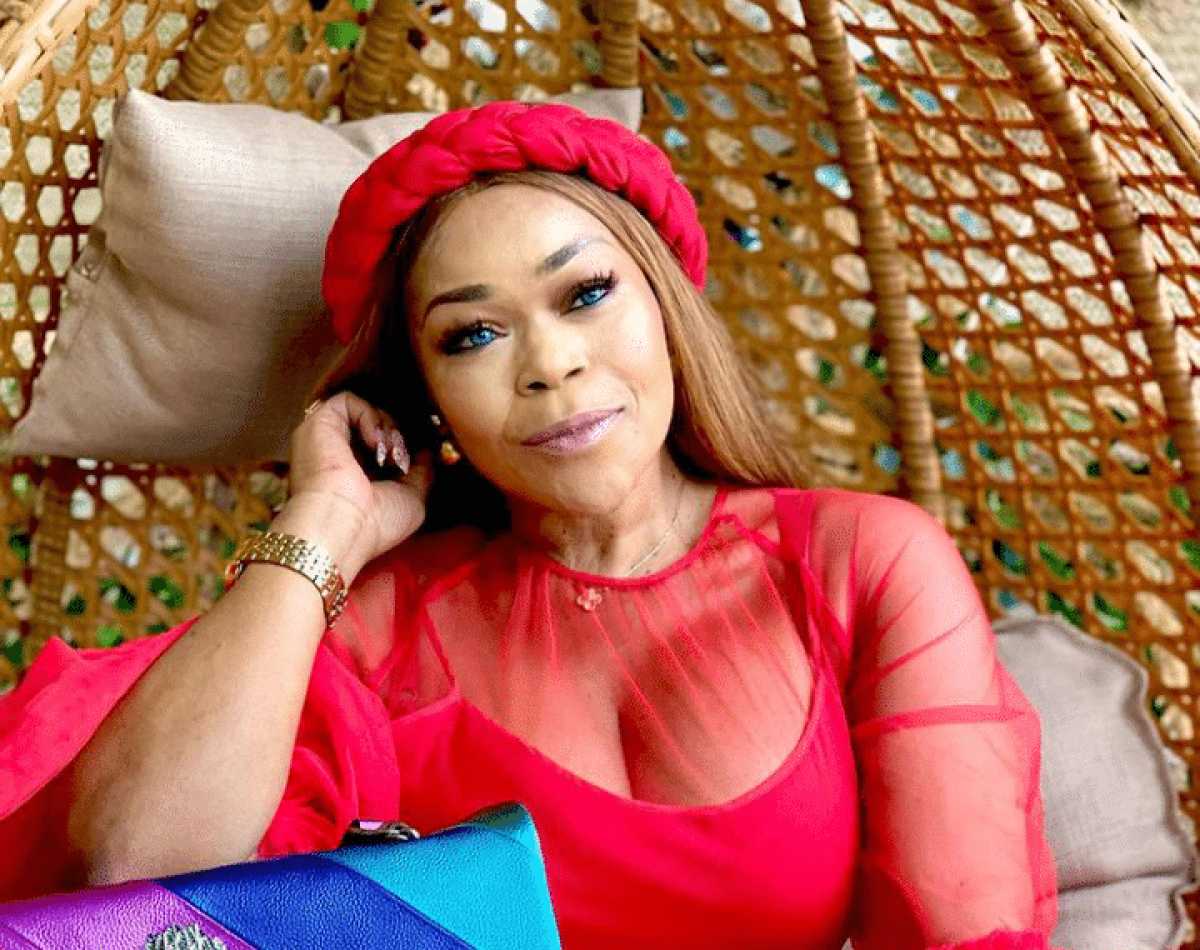
A firestorm of public debate has erupted across Nigerian social media following remarks made by celebrated Nollywood actress Shaffy Bello, in which she appeared to offer a measured endorsement of commercial sex work as a survival strategy for women in dire economic circumstances.
Bello, widely regarded as one of Nollywood‘s most respected and versatile performers, made the remarks during a recent appearance on the Moraya Show, a popular platform known for candid conversations around lifestyle, femininity, and personal development.
Her comments, which have since circulated widely online, have divided public opinion sharply, drawing both fierce condemnation from conservative voices and surprising support from advocates of harm reduction and economic pragmatism.
Speaking in her characteristically direct and unapologetic manner, the actress said she holds no judgment against women who enter the sex trade out of pressing financial need. She went further, urging those already in the trade to carry themselves with dignity and self-assurance.
“If you go be ashawo, do am well. Do it well with respect and your full chest,” Bello said, deploying colloquial street language to drive her point home with unmistakable clarity.
However, the actress was equally emphatic that commercial sex work should never become a permanent vocation. Her message, she insisted, was one of empathy rather than endorsement, a recognition of the brutal economic realities confronting many young Nigerian women today.
“If that is what you have to do right now to make a living… some girls are doing it because they need to feed Mom and send their younger ones to school. I understand it. However, my darlings, don’t stay there,” she cautioned, drawing a clear distinction between temporary survival tactics and long-term life choices.
The remarks have ignited a broad national conversation about poverty, female agency, morality, and the role of public figures in shaping social discourse. Critics have accused Bello of recklessness, arguing that her platform carries significant influence over impressionable young women and that normalizing sex work even conditionally sends a deeply problematic message in a country where the practice carries serious social stigma, legal grey areas, and significant safety risks.
Religious leaders and social commentators have been among the loudest voices pushing back. Several prominent figures took to social media to describe Bello’s comments as “irresponsible” and “morally bankrupt,” calling on the actress to retract her statements or clarify her position.
On the other side of the debate, a vocal constituency of voices, particularly among younger Nigerians and women’s rights advocates, has rallied behind the actress, applauding what they describe as a rare moment of honest engagement with the economic desperation many women silently endure.
Some argued that the outrage directed at Bello reflects a deeper societal hypocrisy: one that condemns women who engage in sex work while refusing to confront the systemic poverty and lack of opportunities that drive them there.
As of press time, Bello had not issued any formal statement addressing the backlash. Her team had not responded to requests for comment.
The controversy arrives at a moment of heightened national conversation about women’s economic empowerment in Nigeria, where youth unemployment remains stubbornly high, and the cost of living has placed immense pressure on millions of households.
For many observers, Bello’s remarks, however divisive, have cracked open a window onto conversations that have long been taking place in private, now forced into the open.
WHAT YOU SHOULD KNOW
Shaffy Bello’s remarks on the Moraya Show have done more than spark controversy; they have forced a long-overdue public reckoning.
At the heart of the debate is not whether her words were appropriate, but what they reveal: that economic hardship is quietly pushing many young Nigerian women into desperate choices, largely in silence.
Whatever one’s moral stance on her comments, the deeper message is impossible to ignore; poverty, not poor character, is the driving force behind the struggle many women face.